International Desk
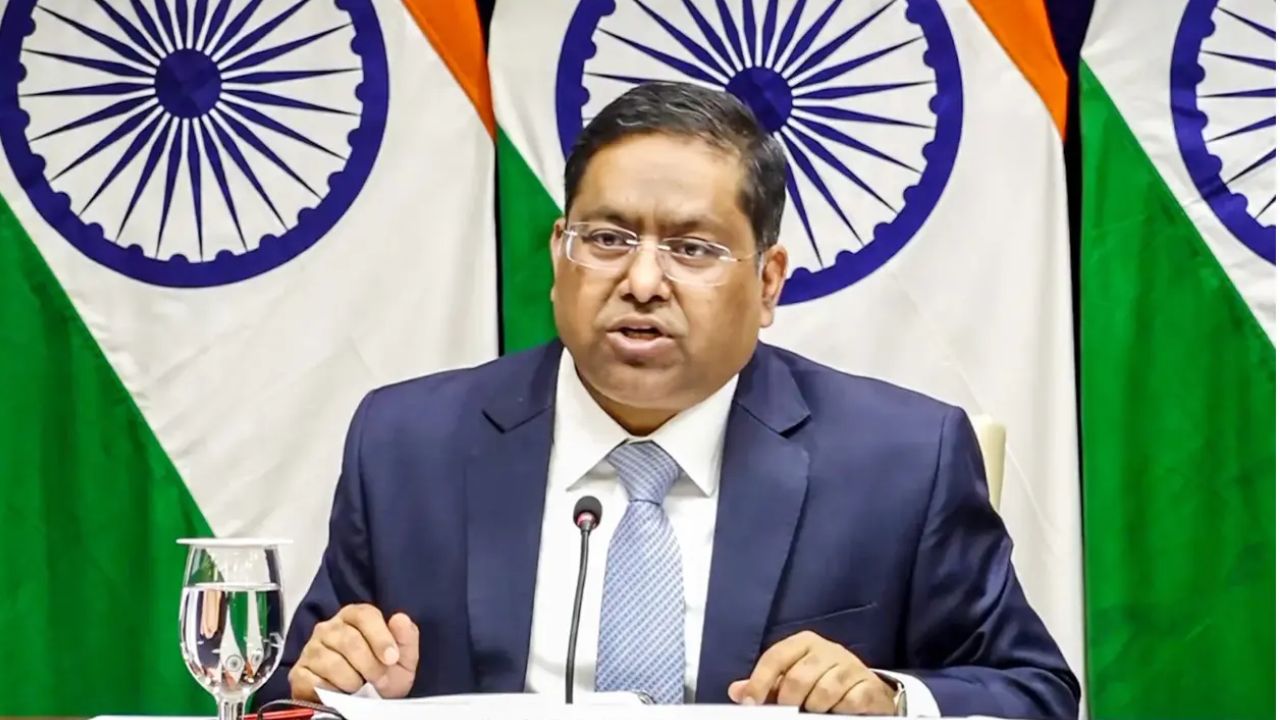
New Delhi has said that the extradition of former Bangladesh Prime Minister Sheikh Hasina from India is entirely a legal matter and will be dealt with properly in accordance with the law.
Indian Ministry of External Affairs spokesperson Randhir Jaiswal reiterated New Delhi’s official position while responding to a series of questions from journalists during a media briefing at the ministry on Tuesday (November 10).
“We have said before that this is a legal matter. It will proceed in accordance with the law and will be resolved accordingly,” he said.
During the briefing, a journalist asked whether a person could be extradited without a passport or whether possessing a passport was mandatory for extradition.
In response, the Indian spokesperson said, “You are asking a technical question. As I have said, this is an entirely legal matter, and it will be resolved in accordance with the law.”
Jaiswal added that, as he understood it, a passport or travel document was required to travel from one place to another. However, he described the question as technical.
Asked about reports that lawyers for former Prime Minister Sheikh Hasina had written to the Bangladesh High Commission seeking the issuance of a passport and national identity card (NID) to facilitate her return to Bangladesh, the spokesperson said, “This is essentially a question you should ask your Bangladesh High Commission. They will be able to inform you of their position or provide the relevant information.”
During Tuesday’s briefing, several Indian journalists repeatedly raised questions about the Bangladesh government’s diplomatic request for Hasina’s return following the mass uprising in Bangladesh. Each time, Jaiswal reiterated that the matter was a legal process and would be handled in accordance with the law.
It may be noted that Sheikh Hasina has been staying in India since leaving Dhaka on August 5, 2024, amid the unprecedented mass uprising led by students and the public.
Meanwhile, asked about the renewal or future of the historic Ganges Water Sharing Treaty between Bangladesh and India, which is set to expire on December 12 this year, Jaiswal said he had no new update on the matter. He advised journalists to refer to his previous statements.
He recalled that India had previously stated at several media briefings that issues concerning the sharing of water from the Ganges and other transboundary or common rivers were discussed within the framework of the Joint Rivers Commission (JRC) between the two countries.
Towards the end of the briefing, Jaiswal was asked whether a final schedule had been set for a possible visit to India by Bangladesh Prime Minister Tarique Rahman in November or December.
“I have no updates on this matter at the moment either,” the spokesperson replied.