Dhaka 10:20 pm, Monday, 9 November 2026
Home Minister informs ParliamentHome Minister informs Parliament

722 NGOs Deregistered Over Fraud and Violation of Conditions

The NGO Affairs Bureau has cancelled the registrations of 722 non-governmental organisations (NGOs) and ordered the closure of all their activities over various serious allegations, including irregularities, embezzlement of donation funds through forged signatures and violation of government regulations.

The punitive measures were taken against the organisations between 2009 and 2024.

Home Minister Salahuddin Ahmed disclosed the information on Monday (November 9) in response to a written question from Member of Parliament Advocate Md. Jalal Uddin during the fourth session of the National Parliament. Speaker Major (Retd.) Hafiz Uddin Ahmed Bir Bikram presided over the session.

In his written reply, the Home Minister said the organisations were blacklisted and their activities suspended after allegations were established, including failure to apply for registration renewal within the stipulated period, misappropriation of donations through forged signatures, violation of registration conditions and lawful directives issued by the bureau, and submission of fake or forged Letters of Intent (LOIs).

The NGO Affairs Bureau operates under its own policies and the government’s regulatory framework. Its responsibilities include registering new NGOs, renewing expired registrations, approving foreign-funded projects, releasing funds, and monitoring and supervising overall project implementation.

Highlighting the contribution of NGOs to the country’s overall socioeconomic development, the minister said that since its establishment in 1990, the NGO Affairs Bureau had been operating under the Prime Minister’s Office to coordinate the voluntary activities of foreign-funded NGOs in Bangladesh.

Salahuddin Ahmed said non-governmental development organisations were making significant contributions to achieving the current government’s objectives, implementing its election manifesto and attaining the United Nations Sustainable Development Goals (SDGs).

In particular, NGOs play an important role in poverty alleviation at the grassroots level, eliminating hunger, protecting public health, expanding quality education, promoting gender equality, addressing the severe risks of climate change, preventing violence against women, and improving access to safe drinking water and sanitation.

However, the minister made it clear that the government’s firm stance against organisations involved in illegal activities would continue.

Home Minister informs ParliamentHome Minister informs Parliament

722 NGOs Deregistered Over Fraud and Violation of Conditions

Update Time: 10:13:23 pm, Monday, 9 November 2026

The NGO Affairs Bureau has cancelled the registrations of 722 non-governmental organisations (NGOs) and ordered the closure of all their activities over various serious allegations, including irregularities, embezzlement of donation funds through forged signatures and violation of government regulations.

The punitive measures were taken against the organisations between 2009 and 2024.

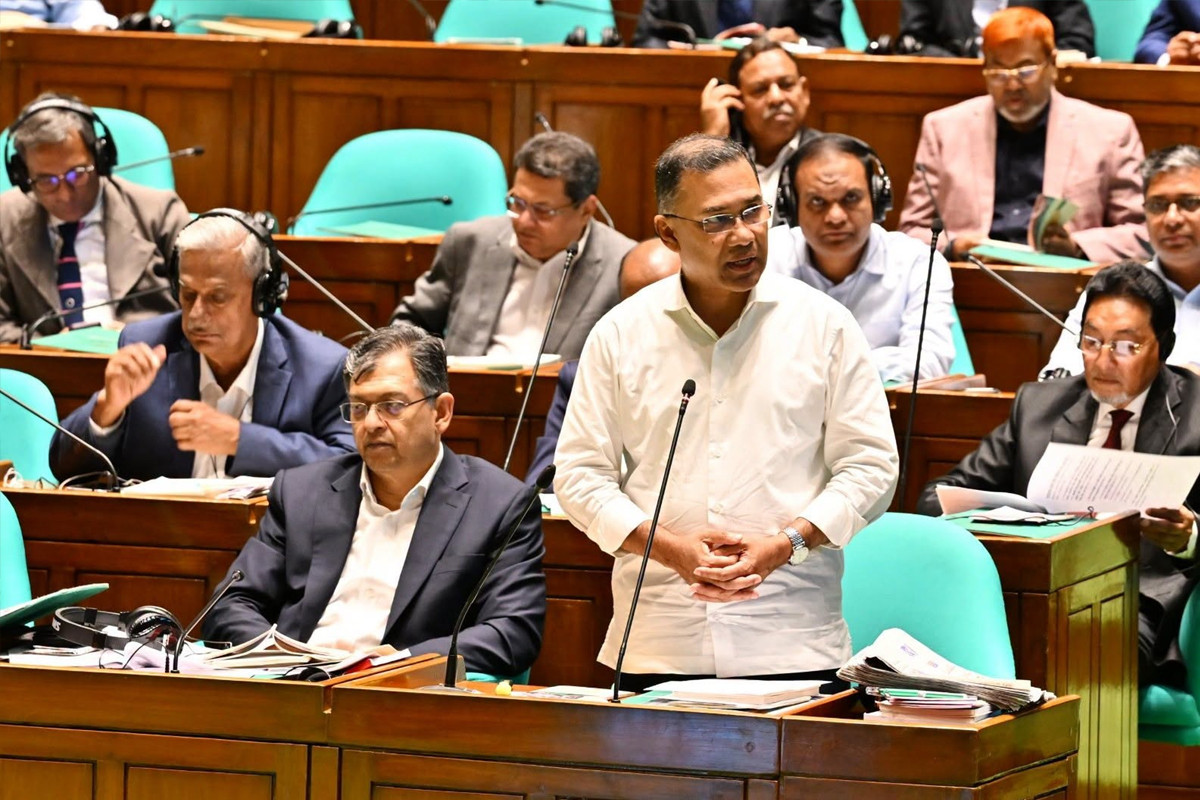
Home Minister Salahuddin Ahmed disclosed the information on Monday (November 9) in response to a written question from Member of Parliament Advocate Md. Jalal Uddin during the fourth session of the National Parliament. Speaker Major (Retd.) Hafiz Uddin Ahmed Bir Bikram presided over the session.

In his written reply, the Home Minister said the organisations were blacklisted and their activities suspended after allegations were established, including failure to apply for registration renewal within the stipulated period, misappropriation of donations through forged signatures, violation of registration conditions and lawful directives issued by the bureau, and submission of fake or forged Letters of Intent (LOIs).

The NGO Affairs Bureau operates under its own policies and the government’s regulatory framework. Its responsibilities include registering new NGOs, renewing expired registrations, approving foreign-funded projects, releasing funds, and monitoring and supervising overall project implementation.

Highlighting the contribution of NGOs to the country’s overall socioeconomic development, the minister said that since its establishment in 1990, the NGO Affairs Bureau had been operating under the Prime Minister’s Office to coordinate the voluntary activities of foreign-funded NGOs in Bangladesh.

Salahuddin Ahmed said non-governmental development organisations were making significant contributions to achieving the current government’s objectives, implementing its election manifesto and attaining the United Nations Sustainable Development Goals (SDGs).

In particular, NGOs play an important role in poverty alleviation at the grassroots level, eliminating hunger, protecting public health, expanding quality education, promoting gender equality, addressing the severe risks of climate change, preventing violence against women, and improving access to safe drinking water and sanitation.

However, the minister made it clear that the government’s firm stance against organisations involved in illegal activities would continue.