Dhaka 4:07 pm, Monday, 9 November 2026

Nearly Extinct Black Robin Named New Zealand’s ‘Bird of the Year’

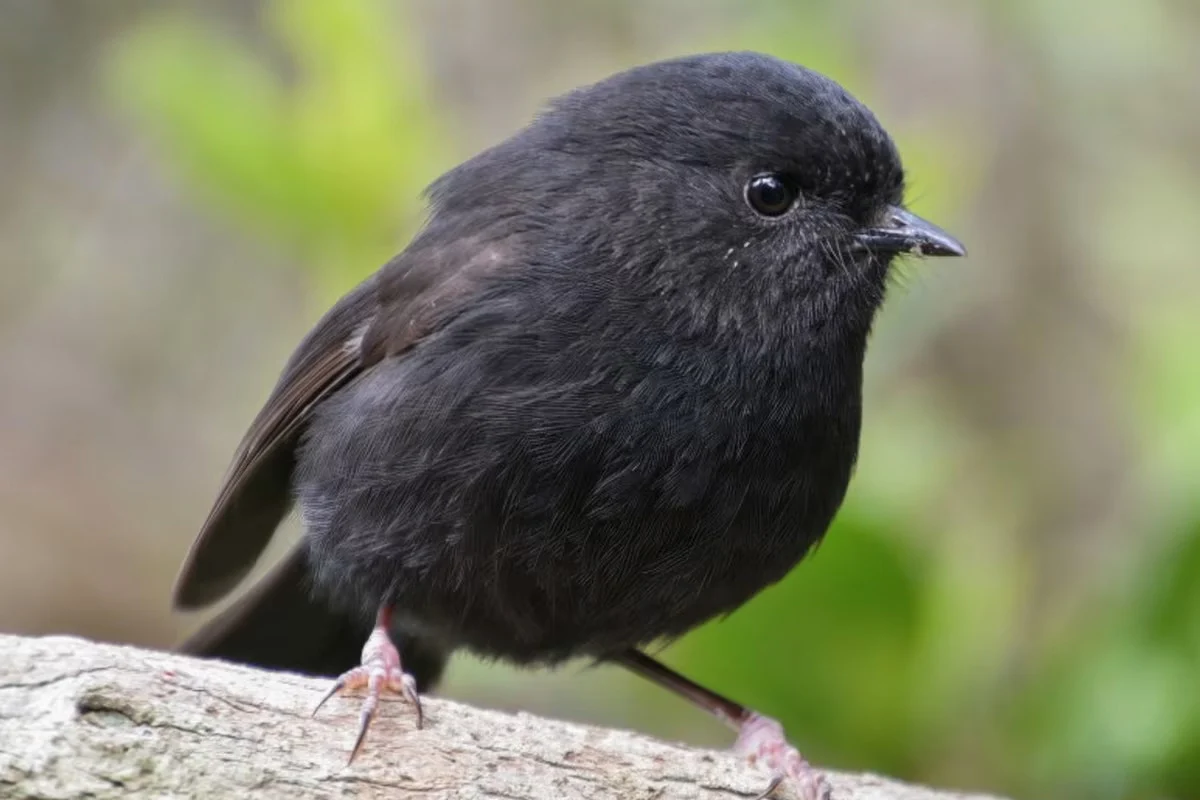
Once reduced to just five surviving birds worldwide, New Zealand’s rare black robin has made a remarkable comeback and has now been named the country’s ‘Bird of the Year 2026’.

Known locally as the karure, the small, shy and almost entirely black bird received more than 25,000 votes to win the annual competition. It finished ahead of the flightless kakapo, which came second, and the New Zealand falcon, or karearea, which placed third.

The black robin is native to the remote Chatham Islands, located around 800 kilometres east of mainland New Zealand. The species was once on the brink of extinction. In 1980, only five black robins were known to remain worldwide, including just one breeding female, named ‘Old Blue’.

Conservationists launched an intensive breeding programme centred on Old Blue and a male known as ‘Old Yellow’. Years of painstaking conservation work have since helped the species recover.

Today, around 350 adult black robins live on two predator-free islands where conservationists have created safe habitats for them. Despite the recovery, the species remains classified as nationally threatened by New Zealand’s conservation authorities.

Experts warn that the available habitat on the two islands is nearing capacity. Establishing a new population on a third protected island will therefore be important to support further breeding and secure the species’ long-term survival.

The 2026 Bird of the Year competition also recorded its highest-ever turnout. According to organiser Forest & Bird, more than 105,000 people cast their votes—roughly one in every 50 New Zealanders. That surpassed last year’s total of around 75,000 votes and was far higher than the 900 votes recorded when the competition was first held two decades ago.

About 88 percent of this year’s votes came from people living in New Zealand.

The competition was originally created to raise public awareness about endangered birds and wildlife. Over the years, however, it has evolved into a highly popular event featuring humour, memes and fierce online campaigning. It has even been affected by voting controversies. In 2020, an attempt was made to manipulate the results using more than 1,000 fake emails from a single IP address. In 2021, a bat—rather than a bird—won the competition.

This year, contestants were divided into humorous categories such as shy birds, ground-dwelling birds, nocturnal birds and high-country birds, adding to the light-hearted atmosphere.

Behind the jokes and internet memes, however, lies a serious conservation message. Organisers say around 80 percent of New Zealand’s native bird species are currently at some level of risk of extinction. Eight of the species that made this year’s top 10 are among those considered threatened.

The black robin’s victory has therefore brought renewed attention not only to the species’ extraordinary recovery but also to the continuing challenges of protecting New Zealand’s endangered wildlife.

Source: CNN

Nearly Extinct Black Robin Named New Zealand’s ‘Bird of the Year’

Update Time: 09:56:13 pm, Monday, 21 September 2026

Once reduced to just five surviving birds worldwide, New Zealand’s rare black robin has made a remarkable comeback and has now been named the country’s ‘Bird of the Year 2026’.

Known locally as the karure, the small, shy and almost entirely black bird received more than 25,000 votes to win the annual competition. It finished ahead of the flightless kakapo, which came second, and the New Zealand falcon, or karearea, which placed third.

The black robin is native to the remote Chatham Islands, located around 800 kilometres east of mainland New Zealand. The species was once on the brink of extinction. In 1980, only five black robins were known to remain worldwide, including just one breeding female, named ‘Old Blue’.

Conservationists launched an intensive breeding programme centred on Old Blue and a male known as ‘Old Yellow’. Years of painstaking conservation work have since helped the species recover.

Today, around 350 adult black robins live on two predator-free islands where conservationists have created safe habitats for them. Despite the recovery, the species remains classified as nationally threatened by New Zealand’s conservation authorities.

Experts warn that the available habitat on the two islands is nearing capacity. Establishing a new population on a third protected island will therefore be important to support further breeding and secure the species’ long-term survival.

The 2026 Bird of the Year competition also recorded its highest-ever turnout. According to organiser Forest & Bird, more than 105,000 people cast their votes—roughly one in every 50 New Zealanders. That surpassed last year’s total of around 75,000 votes and was far higher than the 900 votes recorded when the competition was first held two decades ago.

About 88 percent of this year’s votes came from people living in New Zealand.

The competition was originally created to raise public awareness about endangered birds and wildlife. Over the years, however, it has evolved into a highly popular event featuring humour, memes and fierce online campaigning. It has even been affected by voting controversies. In 2020, an attempt was made to manipulate the results using more than 1,000 fake emails from a single IP address. In 2021, a bat—rather than a bird—won the competition.

This year, contestants were divided into humorous categories such as shy birds, ground-dwelling birds, nocturnal birds and high-country birds, adding to the light-hearted atmosphere.

Behind the jokes and internet memes, however, lies a serious conservation message. Organisers say around 80 percent of New Zealand’s native bird species are currently at some level of risk of extinction. Eight of the species that made this year’s top 10 are among those considered threatened.

The black robin’s victory has therefore brought renewed attention not only to the species’ extraordinary recovery but also to the continuing challenges of protecting New Zealand’s endangered wildlife.

Source: CNN