Dhaka 3:55 pm, Monday, 9 November 2026
Global temperatures could rise by 2.8°C by 2100 under current policies, warns UN report

World Falling Behind on Climate Action as US Drives Rising Emissions

The world is falling further behind in the fight against climate change, with global temperatures projected to rise significantly by the end of the century despite existing emission-reduction commitments. Even if countries fully implement their current pledges to cut greenhouse gas emissions, global average temperatures could increase by 2.6 degrees Celsius above pre-industrial levels by 2100. Under current policies and actions, the rise could reach 2.8 degrees Celsius, according to a new United Nations report.

The latest assessment by the United Nations Environment Programme (UNEP), released on Wednesday, warns that the outlook for global warming has worsened compared with last year’s projections. Changes in US climate policy, rising American emissions and revisions to historical emissions estimates have contributed to the more concerning forecast.

US Accounts for Nearly 70% of Emissions Growth

The United States was responsible for nearly 70 per cent of the combined increase in emissions among countries where greenhouse gas emissions rose in 2025, the report said.

US emissions increased by 133 million tonnes of carbon dioxide equivalent during the year. Rising electricity demand and a renewed increase in coal-fired power generation contributed to the growth.

Other members of the world’s 20 largest economies either reduced their emissions or slowed the pace of growth, according to the assessment. However, the overall trend remains worrying. The 124 countries that recorded increases in emissions collectively added another 189 million tonnes of carbon dioxide equivalent to the atmosphere in 2025.

The report also identified the United States’ formal withdrawal from the Paris climate agreement as a factor affecting the global climate outlook.

Paris Climate Goals Increasingly Out of Reach

Adopted in 2015, the Paris Agreement aims to keep global warming well below 2 degrees Celsius above pre-industrial levels while pursuing efforts to limit the increase to 1.5 degrees.

The latest projections suggest that the world will remain far from these targets even if countries fulfil their existing commitments.

Global average temperatures are already approximately 1.4 degrees Celsius above pre-industrial levels. UN officials have acknowledged that limiting warming to 1.5 degrees is no longer considered a realistic outcome under current circumstances.

Attention is increasingly turning to the possibility of temporarily allowing temperatures to rise to around 1.8 degrees Celsius before reducing them through large-scale carbon dioxide removal from the atmosphere. However, the feasibility of removing carbon on such a scale remains uncertain because of technological and capacity limitations.

UN Secretary-General António Guterres has warned that the world is dangerously behind in meeting its climate goals. He has nevertheless stressed that the technologies and solutions needed to change course are still available.

Emissions Must Fall Sharply by 2040

The UNEP report says global greenhouse gas emissions must be reduced substantially from 2025 levels to limit the risk of climate catastrophe.

Emissions need to fall by 18 per cent by 2030, 45 per cent by 2035 and 69 per cent by 2040.

Current national climate plans, however, are projected to deliver emission reductions of only 5 to 8 per cent by 2030 and 11 to 15 per cent by 2035.

The gap between the reductions required and those planned by governments highlights the scale of the challenge facing the international community.

Anne Olhoff, the report’s lead author and director of UNEP’s Copenhagen Climate Centre, said changes in US policy could add approximately 0.1 degrees Celsius to global warming by the end of the century.

Bill Hare, chief executive of climate analysis organisation Climate Analytics, warned that this additional warming could expose around 140 million more people to dangerous heatwaves. It could also increase concerns about the stability of the Amazon rainforest and the ice sheets in Greenland and Antarctica.

Michael Mann, a climate scientist at the University of Pennsylvania, estimated that the additional temperature rise could cause approximately $1.2 trillion in damage to the global economy.

Renewable Energy Expands, but Progress Remains Insufficient

The use of solar and wind power is growing in many countries, while climate policies are helping curb emissions in several parts of the world. Despite these advances, the overall pace of emission reductions remains far below what is needed to limit global warming.

Climate scientists warn that delaying action will make it increasingly expensive and difficult to control rising temperatures. The consequences could include more frequent and intense heatwaves, devastating floods, disrupted agricultural production and increased deaths.

Poor communities in climate-vulnerable regions, particularly in Africa, are likely to face some of the most severe consequences.

The report underscores a widening gap between what science says is necessary and what governments are currently prepared to deliver. Although the technology and knowledge needed to tackle climate change are increasingly available, slow emission cuts, political decisions and shortcomings in implementing national commitments continue to put the world on course for a much warmer future.

Source: Associated Press (AP)

Global temperatures could rise by 2.8°C by 2100 under current policies, warns UN report

World Falling Behind on Climate Action as US Drives Rising Emissions

Update Time: 08:49:03 pm, Thursday, 22 October 2026

The world is falling further behind in the fight against climate change, with global temperatures projected to rise significantly by the end of the century despite existing emission-reduction commitments. Even if countries fully implement their current pledges to cut greenhouse gas emissions, global average temperatures could increase by 2.6 degrees Celsius above pre-industrial levels by 2100. Under current policies and actions, the rise could reach 2.8 degrees Celsius, according to a new United Nations report.

The latest assessment by the United Nations Environment Programme (UNEP), released on Wednesday, warns that the outlook for global warming has worsened compared with last year’s projections. Changes in US climate policy, rising American emissions and revisions to historical emissions estimates have contributed to the more concerning forecast.

US Accounts for Nearly 70% of Emissions Growth

The United States was responsible for nearly 70 per cent of the combined increase in emissions among countries where greenhouse gas emissions rose in 2025, the report said.

US emissions increased by 133 million tonnes of carbon dioxide equivalent during the year. Rising electricity demand and a renewed increase in coal-fired power generation contributed to the growth.

Other members of the world’s 20 largest economies either reduced their emissions or slowed the pace of growth, according to the assessment. However, the overall trend remains worrying. The 124 countries that recorded increases in emissions collectively added another 189 million tonnes of carbon dioxide equivalent to the atmosphere in 2025.

The report also identified the United States’ formal withdrawal from the Paris climate agreement as a factor affecting the global climate outlook.

Paris Climate Goals Increasingly Out of Reach

Adopted in 2015, the Paris Agreement aims to keep global warming well below 2 degrees Celsius above pre-industrial levels while pursuing efforts to limit the increase to 1.5 degrees.

The latest projections suggest that the world will remain far from these targets even if countries fulfil their existing commitments.

Global average temperatures are already approximately 1.4 degrees Celsius above pre-industrial levels. UN officials have acknowledged that limiting warming to 1.5 degrees is no longer considered a realistic outcome under current circumstances.

Attention is increasingly turning to the possibility of temporarily allowing temperatures to rise to around 1.8 degrees Celsius before reducing them through large-scale carbon dioxide removal from the atmosphere. However, the feasibility of removing carbon on such a scale remains uncertain because of technological and capacity limitations.

UN Secretary-General António Guterres has warned that the world is dangerously behind in meeting its climate goals. He has nevertheless stressed that the technologies and solutions needed to change course are still available.

Emissions Must Fall Sharply by 2040

The UNEP report says global greenhouse gas emissions must be reduced substantially from 2025 levels to limit the risk of climate catastrophe.

Emissions need to fall by 18 per cent by 2030, 45 per cent by 2035 and 69 per cent by 2040.

Current national climate plans, however, are projected to deliver emission reductions of only 5 to 8 per cent by 2030 and 11 to 15 per cent by 2035.

The gap between the reductions required and those planned by governments highlights the scale of the challenge facing the international community.

Anne Olhoff, the report’s lead author and director of UNEP’s Copenhagen Climate Centre, said changes in US policy could add approximately 0.1 degrees Celsius to global warming by the end of the century.

Bill Hare, chief executive of climate analysis organisation Climate Analytics, warned that this additional warming could expose around 140 million more people to dangerous heatwaves. It could also increase concerns about the stability of the Amazon rainforest and the ice sheets in Greenland and Antarctica.

Michael Mann, a climate scientist at the University of Pennsylvania, estimated that the additional temperature rise could cause approximately $1.2 trillion in damage to the global economy.

Renewable Energy Expands, but Progress Remains Insufficient

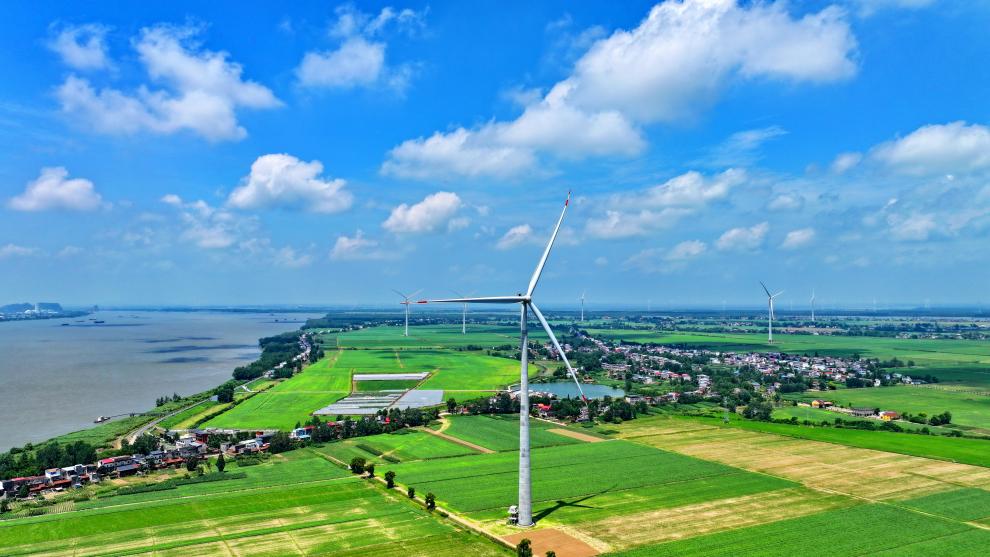
The use of solar and wind power is growing in many countries, while climate policies are helping curb emissions in several parts of the world. Despite these advances, the overall pace of emission reductions remains far below what is needed to limit global warming.

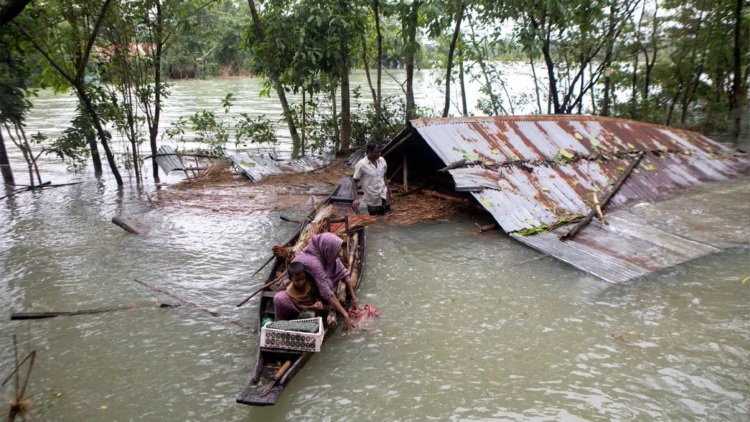
Climate scientists warn that delaying action will make it increasingly expensive and difficult to control rising temperatures. The consequences could include more frequent and intense heatwaves, devastating floods, disrupted agricultural production and increased deaths.

Poor communities in climate-vulnerable regions, particularly in Africa, are likely to face some of the most severe consequences.

The report underscores a widening gap between what science says is necessary and what governments are currently prepared to deliver. Although the technology and knowledge needed to tackle climate change are increasingly available, slow emission cuts, political decisions and shortcomings in implementing national commitments continue to put the world on course for a much warmer future.

Source: Associated Press (AP)