Staff Correspondent
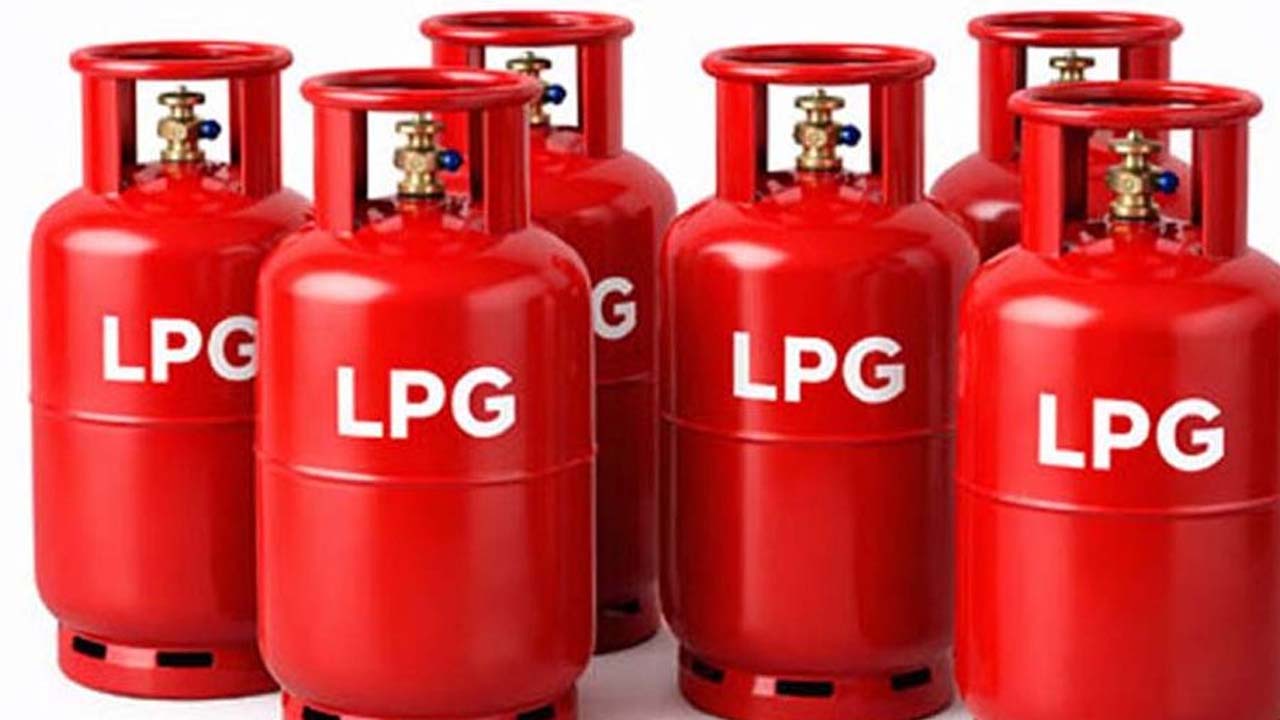
The price of liquefied petroleum gas (LPG), widely used for household cooking, has been increased again after three months. The Bangladesh Energy Regulatory Commission (BERC) has raised the price of a 12kg LPG cylinder by Tk 70, setting the new retail price at Tk 1,598.
In a press release issued on Sunday (August 2), BERC said the revised prices would come into effect from 6:00 pm.
Under the new pricing, the retail price of privately marketed LPG has been fixed at Tk 133.15 per kilogram, including VAT, for August. In July, the price was Tk 127.30 per kilogram, meaning an increase of Tk 5.85 per kilogram.
According to the revised price list:
5.5kg cylinder: Tk 732
12.5kg cylinder: Tk 1,664
15kg cylinder: Tk 1,997
16kg cylinder: Tk 2,130
18kg cylinder: Tk 2,397
20kg cylinder: Tk 2,663
22kg cylinder: Tk 2,929
25kg cylinder: Tk 3,329
30kg cylinder: Tk 3,995
33kg cylinder: Tk 4,394
35kg cylinder: Tk 4,660
45kg cylinder: Tk 5,992
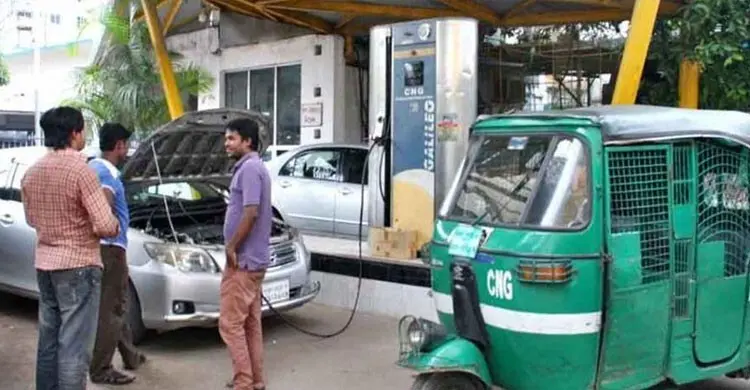
The price of autogas used in vehicles has also been increased by Tk 3.27 per litre, from Tk 70.40 to Tk 73.67.
BERC said the new prices were determined based on Saudi Aramco’s August Contract Prices (CP) for propane and butane. The CP for propane has been set at US$620 per metric tonne, while butane has been fixed at US$640 per metric tonne. Using a 35:65 propane-to-butane ratio, the weighted average CP has been calculated at US$633 per metric tonne, up from US$593 in July.
The commission also considered US$180 per metric tonne as freight and traders’ premium, along with an average exchange rate of Tk 123.69 per US dollar, in determining the August prices.
BERC has fixed the price of reticulated LPG supplied in liquid form at Tk 129.40 per kilogram, including VAT, while gaseous LPG supplied through pipeline systems will cost Tk 287.50 per cubic metre.
However, the price of state-owned LPG remains unchanged. The retail price of a 12.5kg government LPG cylinder will continue to be Tk 776.93.
BERC also warned that LPG bottling plants, distributors, retailers, and autogas operators are not permitted to charge prices above the commission-approved rates at any stage of the supply chain.