Dhaka 2:47 pm, Monday, 9 November 2026

‘Sleep Divorce’: Not a Separation, but a New Reality of Sleeping Apart

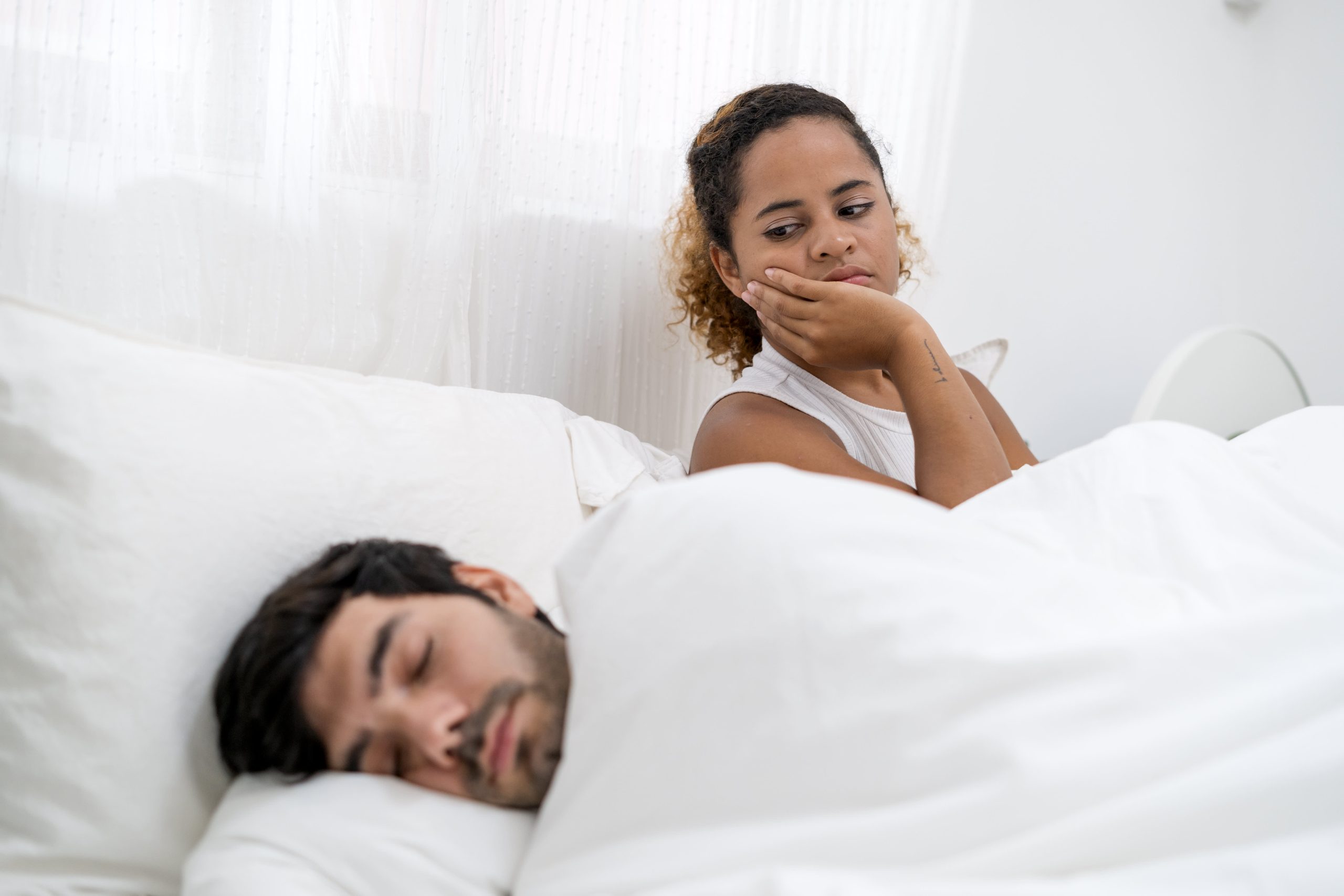
As lifestyles become increasingly fast-paced across the world, changing work schedules, mental stress, and health-related issues are reshaping many traditional aspects of married life. One growing trend is “sleep divorce”—a situation in which married couples continue living under the same roof but choose to sleep in separate bedrooms or beds.

Despite its name, sleep divorce has nothing to do with legal or emotional separation. Instead, many couples are opting for this arrangement to improve sleep quality, maintain better physical health, and reduce unnecessary conflicts in their relationship.

What is Sleep Divorce?

A traditional divorce marks the end of a marriage. Sleep divorce, however, is an arrangement where spouses remain happily married but sleep separately at night.

Sleep specialists say it is not a sign of a failing relationship. Rather, it is a practical solution for couples who struggle to get uninterrupted sleep. The trend is becoming more common among couples with different work schedules, night shifts, or sleep-related issues that disturb their partner’s rest.

Why Is It Becoming More Common?

In many households today, both spouses are employed. Different work shifts, irregular office hours, and demanding professional responsibilities often make it difficult for couples to maintain the same sleep schedule.

Health conditions are another major reason behind the trend. Common factors include:

Loud snoring
Sleep apnea
Excessive movement during sleep
Sleepwalking
Frequent nighttime bathroom visits
Insomnia or restless sleep

When one partner’s sleep habits repeatedly disturb the other’s rest, both physical and mental well-being can suffer over time.

What Does Research Say?

A survey conducted by the American Academy of Sleep Medicine (AASM) found that nearly one in three adults occasionally or regularly prefers sleeping separately from their partner.

The survey, involving around 2,000 participants, revealed that:

45% of men admitted they sometimes or frequently sleep in another room or on the sofa.
25% of women reported doing the same.

Researchers say insufficient sleep affects not only physical health but also emotional well-being and relationship satisfaction. Sleep deprivation often leads to irritability, frequent arguments, and increased relationship stress.

Is It Good or Bad for Relationships?

Psychologists believe sleep divorce can have certain benefits. Better sleep improves mood, boosts productivity, and reduces unnecessary conflicts caused by fatigue.

However, experts also warn about potential downsides.

Sleeping separately for an extended period may gradually reduce emotional and physical intimacy. It can create misunderstandings, increase emotional distance, and, in some cases, even lead to unnecessary suspicion between partners.

For this reason, specialists recommend treating sleep divorce as a temporary or situation-based solution rather than a permanent lifestyle.

Expert Opinion

Dr. Stephanie Collier, a psychiatrist at McLean Hospital in the United States, says sleep divorce often begins as a temporary measure. However, many couples eventually realize they sleep much better on their own, making the arrangement a long-term habit.

According to her, sleep divorce is usually driven by health-related issues such as:

Snoring
Sleep apnea
Excessive movement during sleep
Sleepwalking
Frequent nighttime bathroom visits

These conditions can repeatedly interrupt a partner’s sleep, making separate sleeping arrangements a practical solution.

What Should Couples Do?

Experts recommend addressing the underlying sleep problem before deciding to sleep separately. Consulting a physician, improving sleep hygiene, or treating medical conditions should always be the first step.

If sleeping apart becomes necessary, couples should make a conscious effort to maintain emotional closeness by spending quality time together, communicating openly, and occasionally sharing the same bed whenever possible, such as on weekends.

After all, a healthy marriage depends not only on living together but also on mutual trust, emotional connection, and meaningful communication.

Ultimately, sleep divorce is not about ending a marriage—it is about finding a healthier way to rest while preserving the relationship.


‘Sleep Divorce’: Not a Separation, but a New Reality of Sleeping Apart

Update Time: 08:45:45 pm, Saturday, 1 August 2026

As lifestyles become increasingly fast-paced across the world, changing work schedules, mental stress, and health-related issues are reshaping many traditional aspects of married life. One growing trend is “sleep divorce”—a situation in which married couples continue living under the same roof but choose to sleep in separate bedrooms or beds.

Despite its name, sleep divorce has nothing to do with legal or emotional separation. Instead, many couples are opting for this arrangement to improve sleep quality, maintain better physical health, and reduce unnecessary conflicts in their relationship.

What is Sleep Divorce?

A traditional divorce marks the end of a marriage. Sleep divorce, however, is an arrangement where spouses remain happily married but sleep separately at night.

Sleep specialists say it is not a sign of a failing relationship. Rather, it is a practical solution for couples who struggle to get uninterrupted sleep. The trend is becoming more common among couples with different work schedules, night shifts, or sleep-related issues that disturb their partner’s rest.

Why Is It Becoming More Common?

In many households today, both spouses are employed. Different work shifts, irregular office hours, and demanding professional responsibilities often make it difficult for couples to maintain the same sleep schedule.

Health conditions are another major reason behind the trend. Common factors include:

Loud snoring
Sleep apnea
Excessive movement during sleep
Sleepwalking
Frequent nighttime bathroom visits
Insomnia or restless sleep

When one partner’s sleep habits repeatedly disturb the other’s rest, both physical and mental well-being can suffer over time.

What Does Research Say?

A survey conducted by the American Academy of Sleep Medicine (AASM) found that nearly one in three adults occasionally or regularly prefers sleeping separately from their partner.

The survey, involving around 2,000 participants, revealed that:

45% of men admitted they sometimes or frequently sleep in another room or on the sofa.
25% of women reported doing the same.

Researchers say insufficient sleep affects not only physical health but also emotional well-being and relationship satisfaction. Sleep deprivation often leads to irritability, frequent arguments, and increased relationship stress.

Is It Good or Bad for Relationships?

Psychologists believe sleep divorce can have certain benefits. Better sleep improves mood, boosts productivity, and reduces unnecessary conflicts caused by fatigue.

However, experts also warn about potential downsides.

Sleeping separately for an extended period may gradually reduce emotional and physical intimacy. It can create misunderstandings, increase emotional distance, and, in some cases, even lead to unnecessary suspicion between partners.

For this reason, specialists recommend treating sleep divorce as a temporary or situation-based solution rather than a permanent lifestyle.

Expert Opinion

Dr. Stephanie Collier, a psychiatrist at McLean Hospital in the United States, says sleep divorce often begins as a temporary measure. However, many couples eventually realize they sleep much better on their own, making the arrangement a long-term habit.

According to her, sleep divorce is usually driven by health-related issues such as:

Snoring
Sleep apnea
Excessive movement during sleep
Sleepwalking
Frequent nighttime bathroom visits

These conditions can repeatedly interrupt a partner’s sleep, making separate sleeping arrangements a practical solution.

What Should Couples Do?

Experts recommend addressing the underlying sleep problem before deciding to sleep separately. Consulting a physician, improving sleep hygiene, or treating medical conditions should always be the first step.

If sleeping apart becomes necessary, couples should make a conscious effort to maintain emotional closeness by spending quality time together, communicating openly, and occasionally sharing the same bed whenever possible, such as on weekends.

After all, a healthy marriage depends not only on living together but also on mutual trust, emotional connection, and meaningful communication.

Ultimately, sleep divorce is not about ending a marriage—it is about finding a healthier way to rest while preserving the relationship.