


Dhaka 3:07 pm, Monday, 9 November 2026

38 BNP and Affiliate Leaders, Activists Killed in Six Months

At least 38 leaders and activists of the Bangladesh Nationalist Party (BNP) and its associate organizations have been killed in separate incidents across the country over the past six months.

According to preliminary investigations by law enforcement agencies, political dominance, internal rivalries, previous disputes, extortion, land grabbing and other illegal economic interests have emerged as the likely motives behind many of the killings. During the same period, the overall number of homicides nationwide also remained at an alarming level.

Police Headquarters data show that 1,091 murder cases were recorded across the country between February and June this year.

According to the human rights organization Ain o Salish Kendra (ASK), among the 38 BNP and affiliate leaders and activists killed between February and July 28, 21 belonged to the BNP, eight to Jatiyatabadi Jubo Dal, two to Jatiyatabadi Chhatra Dal, two to Jatiyatabadi Sramik Dal, two to Jatiyatabadi Krishak Dal, two to Jatiyatabadi Swechchhasebak Dal and one to Tanty Dal.

The latest victim was Jubo Dal activist Mohammad Yusuf Ali Parvez, who was shot dead by assailants in Dhaka’s Kafrul area on the night of July 24. Another Jubo Dal activist and a vegetable vendor were also injured in the attack.

Police investigators said hired gunmen from Jhenaidah and Magura had allegedly been brought to Dhaka under a Tk2.5 million contract to kill Kafrul Thana Jubo Dal Member Secretary Hafizul Islam Babu. However, the intended target escaped after the gunfire missed him, and Parvez was fatally shot instead.

Investigators believe the attack was linked to disputes over waste collection contracts, footpath businesses, other commercial interests and control of tin-shed properties.

Police and the Detective Branch (DB) have arrested eight people, including an alleged contract shooter, in connection with the case.

On July 21, Ward BNP activist Ibrahim Palash was hacked to death in Dhaka’s Sabujbagh area. According to local residents, 10 to 15 attackers, including several Jubo Dal activists, allegedly carried out the attack over a longstanding dispute, severing both of his wrists.

Earlier, on July 15, suspended Mithamoin Upazila BNP President Jahidul Alam Jahangir was hacked to death in Kishoreganj. Investigators said the killing was allegedly carried out by hired criminals following a dispute with a local Chhatra Dal leader.

On June 8, former Ramna Thana Swechchhasebak Dal Convener Billal Hossain was stabbed to death in the Mouchak area of Dhaka. Police believe the murder stemmed from disputes over control of footpath businesses and extortion.

Other victims included BNP activist Raju Ahmed in Sonargaon, Narayanganj; Jubo Dal leader Masudul Haque Chowdhury in Raozan, Chattogram; BNP leader Rafiqul Islam in Khulna; BNP activist Rana Mia in Mymensingh; and Krishak Dal President Badal Morol in Bagerhat.

According to the human rights organization Human Rights Support Society (HRSS), at least 610 incidents of political violence were recorded between January and March ahead of the national parliamentary election. The violence left 36 people dead and 4,078 others injured.

The report said 573 of those incidents were linked either to internal conflicts within the ruling BNP or clashes between BNP and other political parties. Among those killed were 28 BNP members, four Jamaat members, one Awami League member and three members of other political parties.

During the period, 194 incidents of internal BNP conflict left 24 people dead and 1,585 injured. Seven people were killed in BNP-Jamaat clashes, while three others died in BNP-Awami League clashes.

In addition, at least 395 election-related violent incidents left 12 people dead and 2,573 injured. More than 600 homes, businesses and election offices were reportedly attacked, vandalized, looted or set on fire.

Commenting on the situation, BNP Senior Joint Secretary General and Prime Minister’s Adviser Ruhul Kabir Rizvi said party leaders and activists were increasingly becoming targets of organized criminal groups in different parts of the country. He urged the authorities to take tougher action against those responsible.

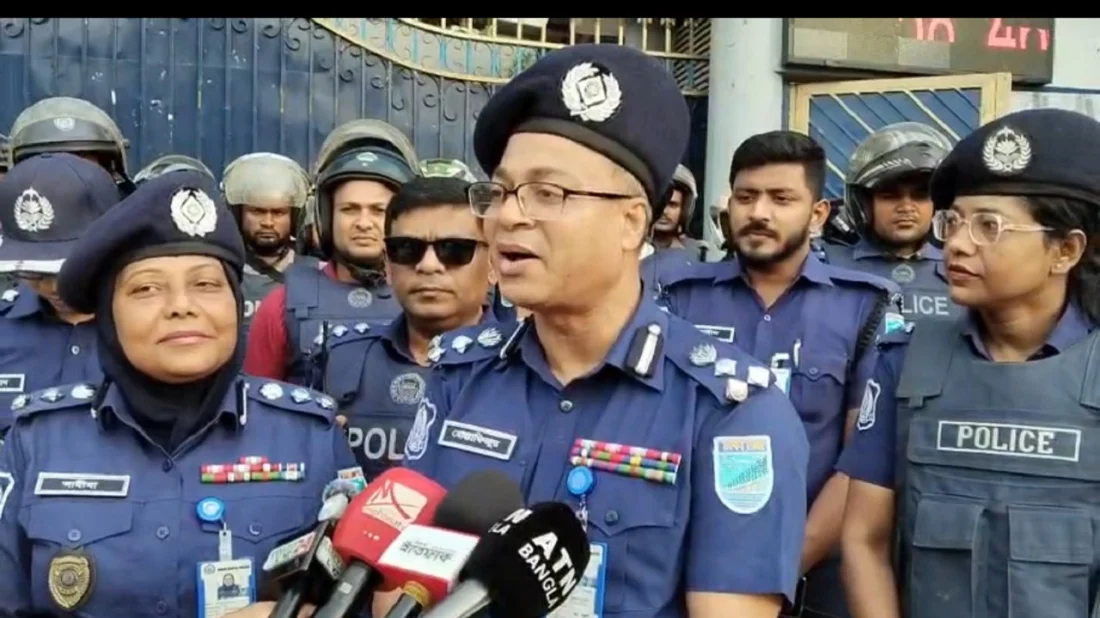
Dhaka Metropolitan Police Additional Commissioner (DB) Shafiqul Islam said police were working to quickly identify and arrest suspects in every murder case. He said most of the killings appeared to be linked to disputes over local dominance, waste collection contracts, footpath businesses, land occupation and commercial control, with hired gunmen often being brought in from other districts.

Criminologist Towhidul Haque, an associate professor at the Institute of Social Welfare and Research of the University of Dhaka, said political violence was increasingly being driven by competition for control of illegal economic sectors such as footpaths, waste management, transport and land grabbing. He warned that unless illegal control of these sectors is dismantled, the rule of law is strengthened, and impartial investigations and justice are ensured, political violence and public anxiety are likely to continue increasing.

38 BNP and Affiliate Leaders, Activists Killed in Six Months

Update Time: 01:24:39 pm, Saturday, 1 August 2026

At least 38 leaders and activists of the Bangladesh Nationalist Party (BNP) and its associate organizations have been killed in separate incidents across the country over the past six months.

According to preliminary investigations by law enforcement agencies, political dominance, internal rivalries, previous disputes, extortion, land grabbing and other illegal economic interests have emerged as the likely motives behind many of the killings. During the same period, the overall number of homicides nationwide also remained at an alarming level.

Police Headquarters data show that 1,091 murder cases were recorded across the country between February and June this year.

According to the human rights organization Ain o Salish Kendra (ASK), among the 38 BNP and affiliate leaders and activists killed between February and July 28, 21 belonged to the BNP, eight to Jatiyatabadi Jubo Dal, two to Jatiyatabadi Chhatra Dal, two to Jatiyatabadi Sramik Dal, two to Jatiyatabadi Krishak Dal, two to Jatiyatabadi Swechchhasebak Dal and one to Tanty Dal.

The latest victim was Jubo Dal activist Mohammad Yusuf Ali Parvez, who was shot dead by assailants in Dhaka’s Kafrul area on the night of July 24. Another Jubo Dal activist and a vegetable vendor were also injured in the attack.

Police investigators said hired gunmen from Jhenaidah and Magura had allegedly been brought to Dhaka under a Tk2.5 million contract to kill Kafrul Thana Jubo Dal Member Secretary Hafizul Islam Babu. However, the intended target escaped after the gunfire missed him, and Parvez was fatally shot instead.

Investigators believe the attack was linked to disputes over waste collection contracts, footpath businesses, other commercial interests and control of tin-shed properties.

Police and the Detective Branch (DB) have arrested eight people, including an alleged contract shooter, in connection with the case.

On July 21, Ward BNP activist Ibrahim Palash was hacked to death in Dhaka’s Sabujbagh area. According to local residents, 10 to 15 attackers, including several Jubo Dal activists, allegedly carried out the attack over a longstanding dispute, severing both of his wrists.

Earlier, on July 15, suspended Mithamoin Upazila BNP President Jahidul Alam Jahangir was hacked to death in Kishoreganj. Investigators said the killing was allegedly carried out by hired criminals following a dispute with a local Chhatra Dal leader.

On June 8, former Ramna Thana Swechchhasebak Dal Convener Billal Hossain was stabbed to death in the Mouchak area of Dhaka. Police believe the murder stemmed from disputes over control of footpath businesses and extortion.

Other victims included BNP activist Raju Ahmed in Sonargaon, Narayanganj; Jubo Dal leader Masudul Haque Chowdhury in Raozan, Chattogram; BNP leader Rafiqul Islam in Khulna; BNP activist Rana Mia in Mymensingh; and Krishak Dal President Badal Morol in Bagerhat.

According to the human rights organization Human Rights Support Society (HRSS), at least 610 incidents of political violence were recorded between January and March ahead of the national parliamentary election. The violence left 36 people dead and 4,078 others injured.

The report said 573 of those incidents were linked either to internal conflicts within the ruling BNP or clashes between BNP and other political parties. Among those killed were 28 BNP members, four Jamaat members, one Awami League member and three members of other political parties.

During the period, 194 incidents of internal BNP conflict left 24 people dead and 1,585 injured. Seven people were killed in BNP-Jamaat clashes, while three others died in BNP-Awami League clashes.

In addition, at least 395 election-related violent incidents left 12 people dead and 2,573 injured. More than 600 homes, businesses and election offices were reportedly attacked, vandalized, looted or set on fire.

Commenting on the situation, BNP Senior Joint Secretary General and Prime Minister’s Adviser Ruhul Kabir Rizvi said party leaders and activists were increasingly becoming targets of organized criminal groups in different parts of the country. He urged the authorities to take tougher action against those responsible.

Dhaka Metropolitan Police Additional Commissioner (DB) Shafiqul Islam said police were working to quickly identify and arrest suspects in every murder case. He said most of the killings appeared to be linked to disputes over local dominance, waste collection contracts, footpath businesses, land occupation and commercial control, with hired gunmen often being brought in from other districts.

Criminologist Towhidul Haque, an associate professor at the Institute of Social Welfare and Research of the University of Dhaka, said political violence was increasingly being driven by competition for control of illegal economic sectors such as footpaths, waste management, transport and land grabbing. He warned that unless illegal control of these sectors is dismantled, the rule of law is strengthened, and impartial investigations and justice are ensured, political violence and public anxiety are likely to continue increasing.