

Dhaka 2:39 pm, Monday, 9 November 2026

Patient-Centered Healthcare: Implementation Matters More Than Promises

  • Editor
  • Update Time: 05:07:54 pm, Friday, 31 July 2026
  • 105 Read

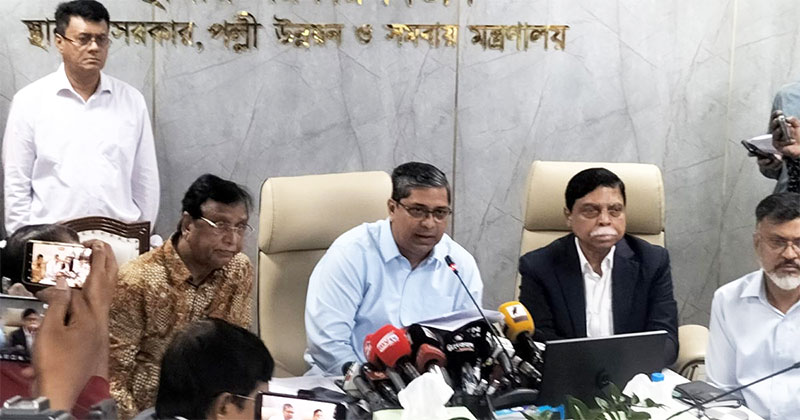
Healthcare is one of the fundamental responsibilities of any state. As a service directly linked to people’s lives, even minor shortcomings in the healthcare system can significantly increase public suffering. Hospitals, therefore, must be more than treatment facilities—they should serve as centers of trust, compassion, and quality care. Information and Broadcasting Minister Zahir Uddin Swapan’s emphasis on patient-centered healthcare, a modern medical system, and good governance is undoubtedly encouraging. However, meaningful implementation, rather than policy declarations, is what matters most.

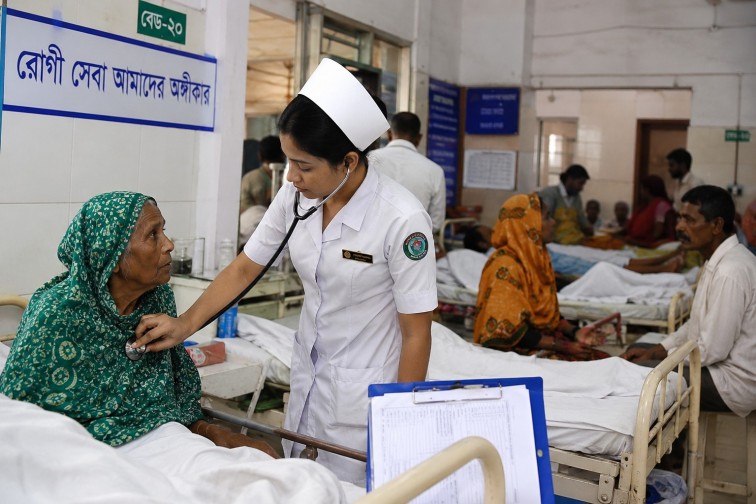
Every day, thousands of patients seek treatment at government hospitals across Bangladesh. Yet shortages of doctors and nurses, inadequate medical equipment, long waiting times, insufficient hospital beds, the influence of middlemen, and allegations of negligence continue to undermine the quality of healthcare services. As a result, many citizens are compelled to seek expensive treatment at private hospitals or travel abroad, creating financial hardship for families while contributing to a significant outflow of foreign currency.

Improving healthcare requires far more than constructing new buildings or installing modern equipment. Effective management, transparent administration, strong accountability, and a patient-centered service culture are equally essential. Every patient deserves timely treatment, dignity, and compassionate care. At the same time, healthcare professionals need regular training, safe working conditions, and a fair system for evaluating professional performance.

Technology has become indispensable in modern healthcare. Digital patient management systems, online diagnostic reports, electronic health records, and transparent administrative processes can significantly reduce corruption, inefficiency, and unnecessary harassment. However, technology alone cannot deliver better healthcare unless it is supported by skilled personnel and effective oversight.

The government has launched several initiatives to improve the health sector. The next challenge is ensuring that these reforms translate into tangible benefits for ordinary citizens. Every public hospital should become a place where patients receive quality care with confidence rather than facing inconvenience and uncertainty.

Patient-centered healthcare is not merely a slogan—it is a hallmark of a humane and responsible state. Meeting public expectations will require effective implementation, accountability, and continuous improvements in service quality. Ultimately, restoring public confidence in the healthcare system will depend not on promises, but on meaningful action.


Patient-Centered Healthcare: Implementation Matters More Than Promises

Update Time: 05:07:54 pm, Friday, 31 July 2026

Healthcare is one of the fundamental responsibilities of any state. As a service directly linked to people’s lives, even minor shortcomings in the healthcare system can significantly increase public suffering. Hospitals, therefore, must be more than treatment facilities—they should serve as centers of trust, compassion, and quality care. Information and Broadcasting Minister Zahir Uddin Swapan’s emphasis on patient-centered healthcare, a modern medical system, and good governance is undoubtedly encouraging. However, meaningful implementation, rather than policy declarations, is what matters most.

Every day, thousands of patients seek treatment at government hospitals across Bangladesh. Yet shortages of doctors and nurses, inadequate medical equipment, long waiting times, insufficient hospital beds, the influence of middlemen, and allegations of negligence continue to undermine the quality of healthcare services. As a result, many citizens are compelled to seek expensive treatment at private hospitals or travel abroad, creating financial hardship for families while contributing to a significant outflow of foreign currency.

Improving healthcare requires far more than constructing new buildings or installing modern equipment. Effective management, transparent administration, strong accountability, and a patient-centered service culture are equally essential. Every patient deserves timely treatment, dignity, and compassionate care. At the same time, healthcare professionals need regular training, safe working conditions, and a fair system for evaluating professional performance.

Technology has become indispensable in modern healthcare. Digital patient management systems, online diagnostic reports, electronic health records, and transparent administrative processes can significantly reduce corruption, inefficiency, and unnecessary harassment. However, technology alone cannot deliver better healthcare unless it is supported by skilled personnel and effective oversight.

The government has launched several initiatives to improve the health sector. The next challenge is ensuring that these reforms translate into tangible benefits for ordinary citizens. Every public hospital should become a place where patients receive quality care with confidence rather than facing inconvenience and uncertainty.

Patient-centered healthcare is not merely a slogan—it is a hallmark of a humane and responsible state. Meeting public expectations will require effective implementation, accountability, and continuous improvements in service quality. Ultimately, restoring public confidence in the healthcare system will depend not on promises, but on meaningful action.