Dhaka 2:39 pm, Monday, 9 November 2026

November 7: A Turning Point in Bangladesh’s Political History

The people of Bangladesh took part in the War of Independence in 1971 with the dream of building a new nation. However, soon after independence, the newly established country came under the shadow of one-party BAKSAL rule. Thousands of people faced death amid a devastating famine. The country also witnessed acts of terror and brutal repression by the Rakkhi Bahini.

In the newly independent country, people were left disoriented by misrule and famine. Economic activities had virtually ground to a halt. The situation was further aggravated by the violent politics of the Jatiya Samajtantrik Dal (JSD). At this critical juncture, the very existence of the country appeared to be under threat. Amid widespread frustration, fear and anxiety, November 7 emerged as a defining moment following a series of political and military developments in 1975.

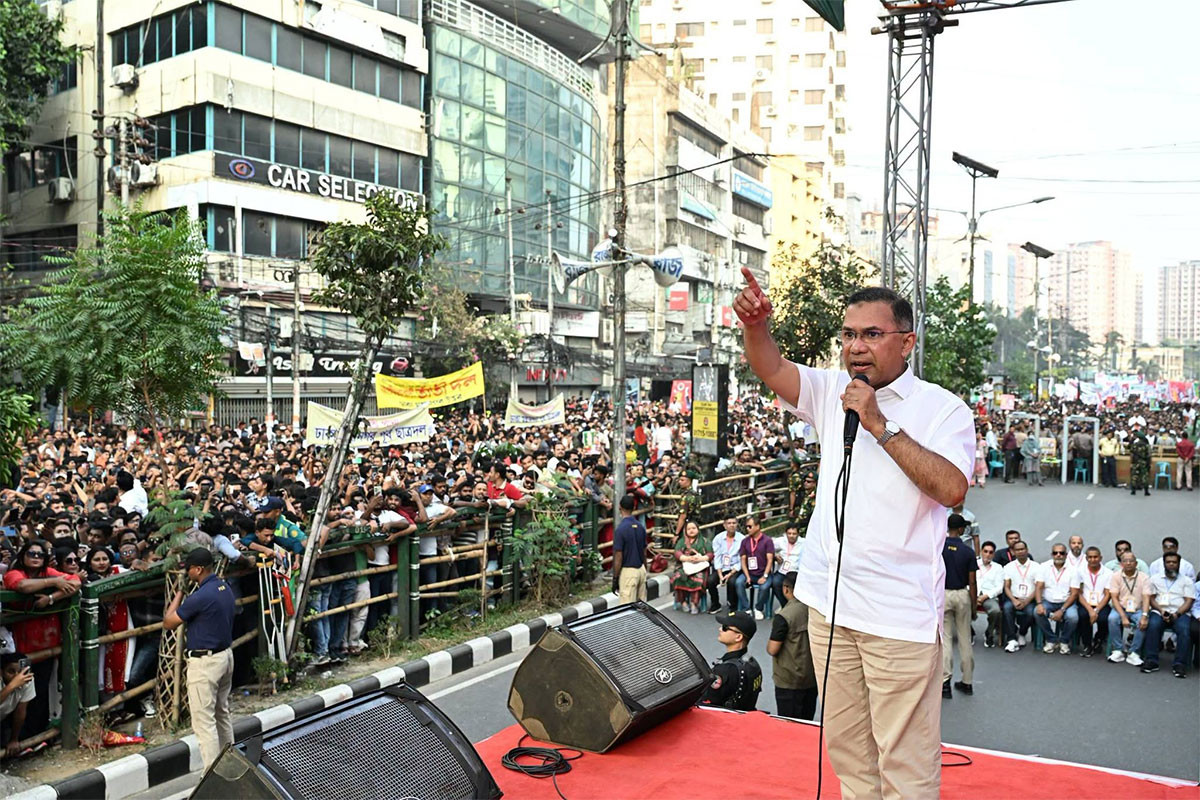
November 7 holds immense significance in the political history of Bangladesh. Its importance cannot be measured within the boundaries of a particular period. The day has had long-term and far-reaching implications for the country’s politics. Bangladesh’s present political trajectory, it is argued, would not have been possible without the events of November 7.

On November 7, 1975, the people across the country were united. It was on that day that Bangladesh found its own path forward. The political developments that began with Khaled Mosharraf’s coup on November 3 reached their conclusion on November 7.

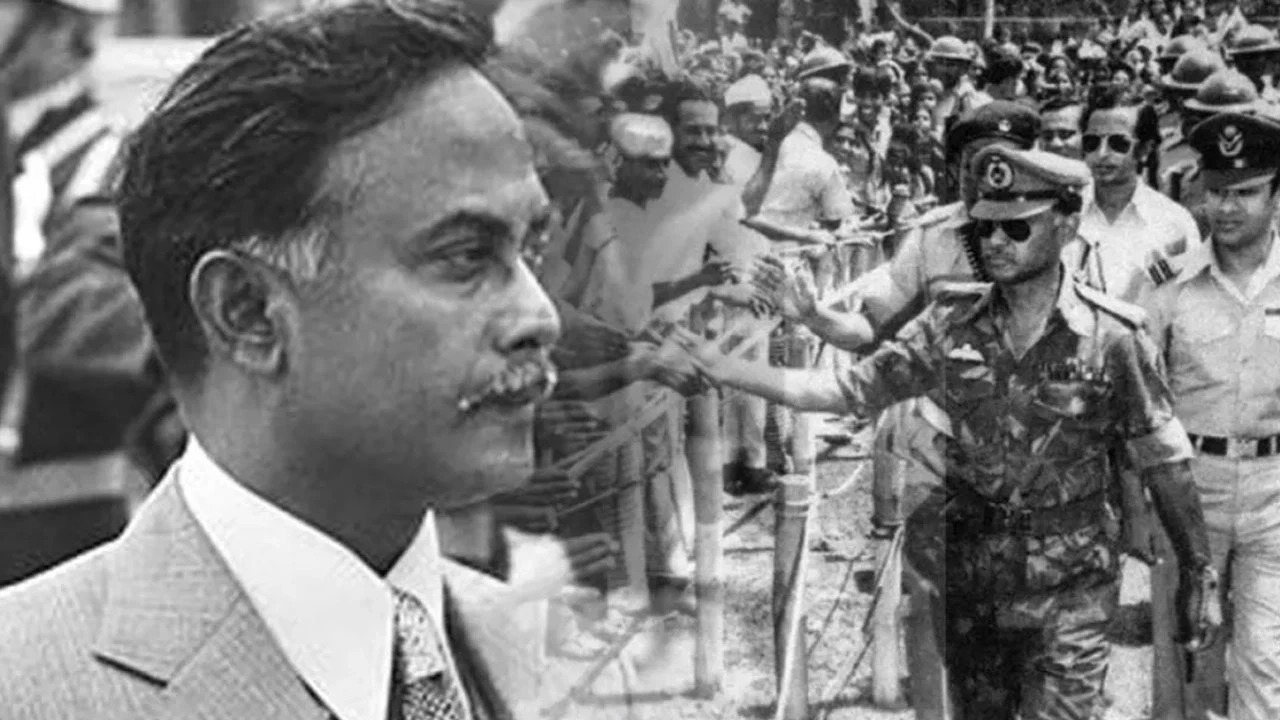
Three key figures dominated the chain of events that began on November 3: military officer and short-lived army chief Khaled Mosharraf, JSD leader Colonel Abu Taher, and then Army Chief Ziaur Rahman. However, on November 7, Ziaur Rahman emerged as the central figure with the support of soldiers and civilians. Khaled Mosharraf and Colonel Taher were ultimately sidelined amid allegations of conspiracy.

At a time when the nation was deeply divided by what critics described as the fascist rule of the Awami League from independence until 1975, Ziaur Rahman entered the political arena with a call for national unity.

As the proclaimer of Bangladesh’s independence, Ziaur Rahman had already enjoyed considerable popularity among the people. Khaled Mosharraf and Abu Taher failed to maintain their positions due to a lack of political foresight. They were unable to align themselves with the aspirations of the people at that critical moment.

People had confidence in Ziaur Rahman as the proclaimer of independence. In contrast, they had witnessed the destructive politics of both the Awami League and the JSD. On one hand, the Awami League had curtailed people’s political rights, while on the other, the JSD had embarked on a course of arson and violence.

An analysis of the events of that period suggests that the JSD lacked the organisational strength to stage a successful uprising on its own. Consequently, the party, or Colonel Taher, sought to use Ziaur Rahman as a vehicle for seizing power.

However, in the final chapter of those events, the soldiers and the people brought Ziaur Rahman to the forefront. At one stage, the entire situation came under his control. Colonel Taher could not match Ziaur Rahman’s public acceptance. With the events of November 7, the JSD’s political prospects in the country effectively came to an end.

Following these developments, Ziaur Rahman began working to unite the nation. His first priority was to restore economic stability. He moved away from the centralised economic system under BAKSAL towards a state-regulated, liberal market economy. He opened the country’s economic doors to domestic and foreign investors while maintaining state oversight.

During Ziaur Rahman’s tenure, non-governmental development organisations were given fresh opportunities to operate. Through these organisations, substantial development assistance entered the country. Investment of these funds helped create new employment opportunities, particularly within the NGO sector. The expansion of microcredit also took place during his administration.

Alongside various initiatives, the country’s socioeconomic conditions began to improve. In addition to promoting public investment and employment generation, Ziaur Rahman succeeded in attracting the attention of foreign investors, particularly international development partners.

Alongside economic stability, Ziaur Rahman also opened up the political arena to all. During his administration, the Awami League, which had been dissolved under BAKSAL, was allowed to return to politics under its own name.

Other political parties also resumed their activities, including Jamaat-e-Islami, which had opposed Bangladesh’s independence. Ziaur Rahman sought to rebuild the post-war nation by bringing everyone together. He wanted people to set aside political differences and work collectively for the welfare of the country.

November 7, therefore, stands as a symbol of national unity in Bangladesh’s political history. Shaheed President Ziaur Rahman is regarded as the principal figure behind that unity.

When Ziaur Rahman entered the political arena, political instability was widespread across the world. Military coups were taking place in country after country, with military rulers assuming power for extended periods.

Brazil was under military rule that had lasted for more than a decade. In Chile, Augusto Pinochet had seized power after overthrowing Salvador Allende. Argentina, too, had come under military rule under Jorge Videla. In Africa, countries such as Libya and Egypt were governed by authoritarian military rulers. Military rule was also widespread across the Arab world, while strongmen controlled virtually every aspect of life in Syria and Iraq.

Against this backdrop of global instability, Ziaur Rahman came to power from within the military establishment but sought to distinguish himself. By containing unrest and managing the crisis, he moved the country towards democracy. The practice of what is described as genuine democracy in post-independence Bangladesh began under Ziaur Rahman’s leadership.

Ziaur Rahman was a courageous freedom fighter who led troops on the battlefield. By declaring independence and inspiring a nation stunned by the Pakistani military’s attack, he gave people the courage to fight back. Drawing on that same spirit of courage, Ziaur Rahman assumed the responsibility of leading the country on November 7.

Thus, it can be argued that the real journey towards building an independent and self-reliant Bangladesh began with the November 7 uprising. After 1971, the people of the country came together once again on November 7.


November 7: A Turning Point in Bangladesh’s Political History

Update Time: 06:40:21 am, Saturday, 7 November 2026

The people of Bangladesh took part in the War of Independence in 1971 with the dream of building a new nation. However, soon after independence, the newly established country came under the shadow of one-party BAKSAL rule. Thousands of people faced death amid a devastating famine. The country also witnessed acts of terror and brutal repression by the Rakkhi Bahini.

In the newly independent country, people were left disoriented by misrule and famine. Economic activities had virtually ground to a halt. The situation was further aggravated by the violent politics of the Jatiya Samajtantrik Dal (JSD). At this critical juncture, the very existence of the country appeared to be under threat. Amid widespread frustration, fear and anxiety, November 7 emerged as a defining moment following a series of political and military developments in 1975.

November 7 holds immense significance in the political history of Bangladesh. Its importance cannot be measured within the boundaries of a particular period. The day has had long-term and far-reaching implications for the country’s politics. Bangladesh’s present political trajectory, it is argued, would not have been possible without the events of November 7.

On November 7, 1975, the people across the country were united. It was on that day that Bangladesh found its own path forward. The political developments that began with Khaled Mosharraf’s coup on November 3 reached their conclusion on November 7.

Three key figures dominated the chain of events that began on November 3: military officer and short-lived army chief Khaled Mosharraf, JSD leader Colonel Abu Taher, and then Army Chief Ziaur Rahman. However, on November 7, Ziaur Rahman emerged as the central figure with the support of soldiers and civilians. Khaled Mosharraf and Colonel Taher were ultimately sidelined amid allegations of conspiracy.

At a time when the nation was deeply divided by what critics described as the fascist rule of the Awami League from independence until 1975, Ziaur Rahman entered the political arena with a call for national unity.

As the proclaimer of Bangladesh’s independence, Ziaur Rahman had already enjoyed considerable popularity among the people. Khaled Mosharraf and Abu Taher failed to maintain their positions due to a lack of political foresight. They were unable to align themselves with the aspirations of the people at that critical moment.

People had confidence in Ziaur Rahman as the proclaimer of independence. In contrast, they had witnessed the destructive politics of both the Awami League and the JSD. On one hand, the Awami League had curtailed people’s political rights, while on the other, the JSD had embarked on a course of arson and violence.

An analysis of the events of that period suggests that the JSD lacked the organisational strength to stage a successful uprising on its own. Consequently, the party, or Colonel Taher, sought to use Ziaur Rahman as a vehicle for seizing power.

However, in the final chapter of those events, the soldiers and the people brought Ziaur Rahman to the forefront. At one stage, the entire situation came under his control. Colonel Taher could not match Ziaur Rahman’s public acceptance. With the events of November 7, the JSD’s political prospects in the country effectively came to an end.

Following these developments, Ziaur Rahman began working to unite the nation. His first priority was to restore economic stability. He moved away from the centralised economic system under BAKSAL towards a state-regulated, liberal market economy. He opened the country’s economic doors to domestic and foreign investors while maintaining state oversight.

During Ziaur Rahman’s tenure, non-governmental development organisations were given fresh opportunities to operate. Through these organisations, substantial development assistance entered the country. Investment of these funds helped create new employment opportunities, particularly within the NGO sector. The expansion of microcredit also took place during his administration.

Alongside various initiatives, the country’s socioeconomic conditions began to improve. In addition to promoting public investment and employment generation, Ziaur Rahman succeeded in attracting the attention of foreign investors, particularly international development partners.

Alongside economic stability, Ziaur Rahman also opened up the political arena to all. During his administration, the Awami League, which had been dissolved under BAKSAL, was allowed to return to politics under its own name.

Other political parties also resumed their activities, including Jamaat-e-Islami, which had opposed Bangladesh’s independence. Ziaur Rahman sought to rebuild the post-war nation by bringing everyone together. He wanted people to set aside political differences and work collectively for the welfare of the country.

November 7, therefore, stands as a symbol of national unity in Bangladesh’s political history. Shaheed President Ziaur Rahman is regarded as the principal figure behind that unity.

When Ziaur Rahman entered the political arena, political instability was widespread across the world. Military coups were taking place in country after country, with military rulers assuming power for extended periods.

Brazil was under military rule that had lasted for more than a decade. In Chile, Augusto Pinochet had seized power after overthrowing Salvador Allende. Argentina, too, had come under military rule under Jorge Videla. In Africa, countries such as Libya and Egypt were governed by authoritarian military rulers. Military rule was also widespread across the Arab world, while strongmen controlled virtually every aspect of life in Syria and Iraq.

Against this backdrop of global instability, Ziaur Rahman came to power from within the military establishment but sought to distinguish himself. By containing unrest and managing the crisis, he moved the country towards democracy. The practice of what is described as genuine democracy in post-independence Bangladesh began under Ziaur Rahman’s leadership.

Ziaur Rahman was a courageous freedom fighter who led troops on the battlefield. By declaring independence and inspiring a nation stunned by the Pakistani military’s attack, he gave people the courage to fight back. Drawing on that same spirit of courage, Ziaur Rahman assumed the responsibility of leading the country on November 7.

Thus, it can be argued that the real journey towards building an independent and self-reliant Bangladesh began with the November 7 uprising. After 1971, the people of the country came together once again on November 7.