

Dhaka 2:39 pm, Monday, 9 November 2026

November 7 Was a Defining Date in Bangladesh’s History: Prime Minister

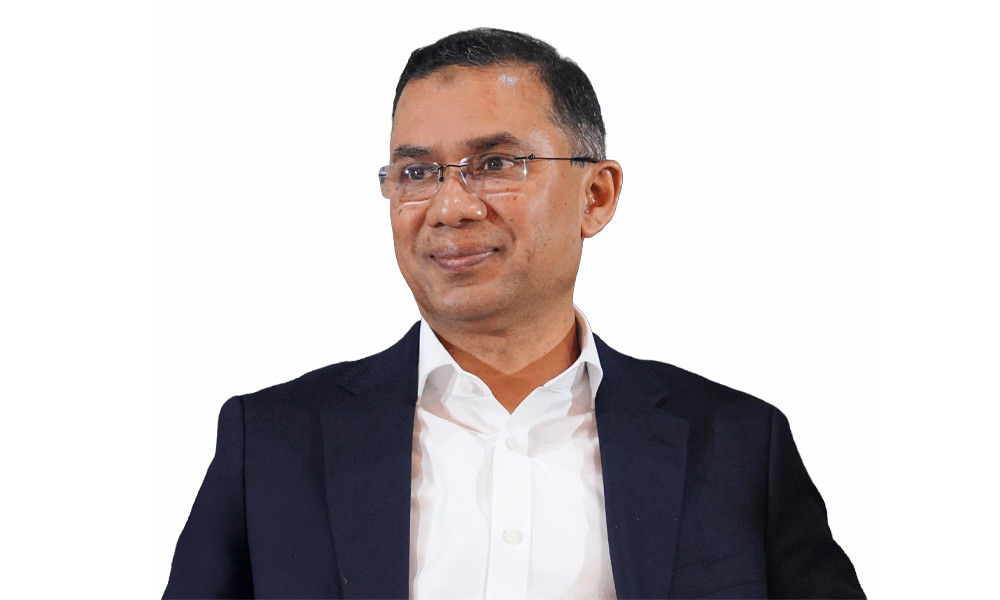
Prime Minister Tarique Rahman has described November 7, 1975, as a historic date that shaped the course of Bangladesh. He said the revolutionary spirit of November 7 should serve as inspiration and guidance for building the country’s future.

The prime minister made the remarks in a message issued on the occasion of Historic National Revolution and Solidarity Day. The government and the Bangladesh Nationalist Party (BNP) have announced separate programmes to mark the day.

In his message, Tarique Rahman said that on November 7, 1975, soldiers and civilians united to thwart conspiracies against Bangladesh’s independence and sovereignty. He described the day as a historic moment when the country’s friends and adversaries were identified.

He said that while constant preoccupation with history was not appropriate, failing to learn from history when shaping the future would also be a historical mistake.

The prime minister said the patriotic revolution by soldiers and civilians on November 7 defeated those who sought to turn Bangladesh into a subservient state, deprive people of their democratic political rights and establish one-party authoritarian rule.

Referring to subsequent political developments, Tarique Rahman said the defeated forces later united under the banner of the grand alliance and turned the country into a subservient state through prolonged conspiracies. He alleged that the planned massacre of army personnel at Pilkhana undermined the honour and dignity of the armed forces, while people’s voting and democratic rights were taken away to establish a fascist regime.

He said the country was finally freed from fascism after more than a decade and a half through the sacrifices of thousands of martyrs and the bloodshed of the mass uprising led by students and the public.

The prime minister said the 1971 Liberation War was fought to achieve independence, while the struggle in 2024 was aimed at protecting the independence of the country and its people. He added that, just as people took to the streets in 2024, soldiers and civilians had united in 1975 to resist conspiracies against the country’s independence and sovereignty.

He stressed that the main commitment of this year’s November 7 observance should be to ensure that no one can again deprive the people of their rights or turn Bangladesh into a subservient state. National unity, he said, was essential to achieving this goal.

Tarique Rahman further said that the spirit of the soldiers’ and people’s revolution of November 7 must be upheld to maintain national unity in view of Bangladesh’s socioeconomic, geopolitical and geographical realities.

He said the Liberation War of 1971, the November 7 revolution of 1975, the anti-autocracy movement of 1990 and the anti-fascist mass uprising of 2024 all shared one fundamental aspiration: establishing democratic political rights for all citizens and building a self-reliant, secure and welfare-oriented state.

Concluding his message, the prime minister called on patriotic and pro-democracy citizens to uphold the slogan: “Neither Delhi nor Pindi, nor any other country—Bangladesh comes first.”

He wished success for all programmes organised nationally to observe the day and reiterated that the revolutionary spirit of November 7 should inspire and guide the building of Bangladesh’s future.

November 7 Was a Defining Date in Bangladesh’s History: Prime Minister

Update Time: 12:04:27 am, Saturday, 7 November 2026

Prime Minister Tarique Rahman has described November 7, 1975, as a historic date that shaped the course of Bangladesh. He said the revolutionary spirit of November 7 should serve as inspiration and guidance for building the country’s future.

The prime minister made the remarks in a message issued on the occasion of Historic National Revolution and Solidarity Day. The government and the Bangladesh Nationalist Party (BNP) have announced separate programmes to mark the day.

In his message, Tarique Rahman said that on November 7, 1975, soldiers and civilians united to thwart conspiracies against Bangladesh’s independence and sovereignty. He described the day as a historic moment when the country’s friends and adversaries were identified.

He said that while constant preoccupation with history was not appropriate, failing to learn from history when shaping the future would also be a historical mistake.

The prime minister said the patriotic revolution by soldiers and civilians on November 7 defeated those who sought to turn Bangladesh into a subservient state, deprive people of their democratic political rights and establish one-party authoritarian rule.

Referring to subsequent political developments, Tarique Rahman said the defeated forces later united under the banner of the grand alliance and turned the country into a subservient state through prolonged conspiracies. He alleged that the planned massacre of army personnel at Pilkhana undermined the honour and dignity of the armed forces, while people’s voting and democratic rights were taken away to establish a fascist regime.

He said the country was finally freed from fascism after more than a decade and a half through the sacrifices of thousands of martyrs and the bloodshed of the mass uprising led by students and the public.

The prime minister said the 1971 Liberation War was fought to achieve independence, while the struggle in 2024 was aimed at protecting the independence of the country and its people. He added that, just as people took to the streets in 2024, soldiers and civilians had united in 1975 to resist conspiracies against the country’s independence and sovereignty.

He stressed that the main commitment of this year’s November 7 observance should be to ensure that no one can again deprive the people of their rights or turn Bangladesh into a subservient state. National unity, he said, was essential to achieving this goal.

Tarique Rahman further said that the spirit of the soldiers’ and people’s revolution of November 7 must be upheld to maintain national unity in view of Bangladesh’s socioeconomic, geopolitical and geographical realities.

He said the Liberation War of 1971, the November 7 revolution of 1975, the anti-autocracy movement of 1990 and the anti-fascist mass uprising of 2024 all shared one fundamental aspiration: establishing democratic political rights for all citizens and building a self-reliant, secure and welfare-oriented state.

Concluding his message, the prime minister called on patriotic and pro-democracy citizens to uphold the slogan: “Neither Delhi nor Pindi, nor any other country—Bangladesh comes first.”

He wished success for all programmes organised nationally to observe the day and reiterated that the revolutionary spirit of November 7 should inspire and guide the building of Bangladesh’s future.