

Dhaka 2:56 pm, Monday, 9 November 2026

Prime Minister Calls for Japanese Investment in Five Priority Sectors

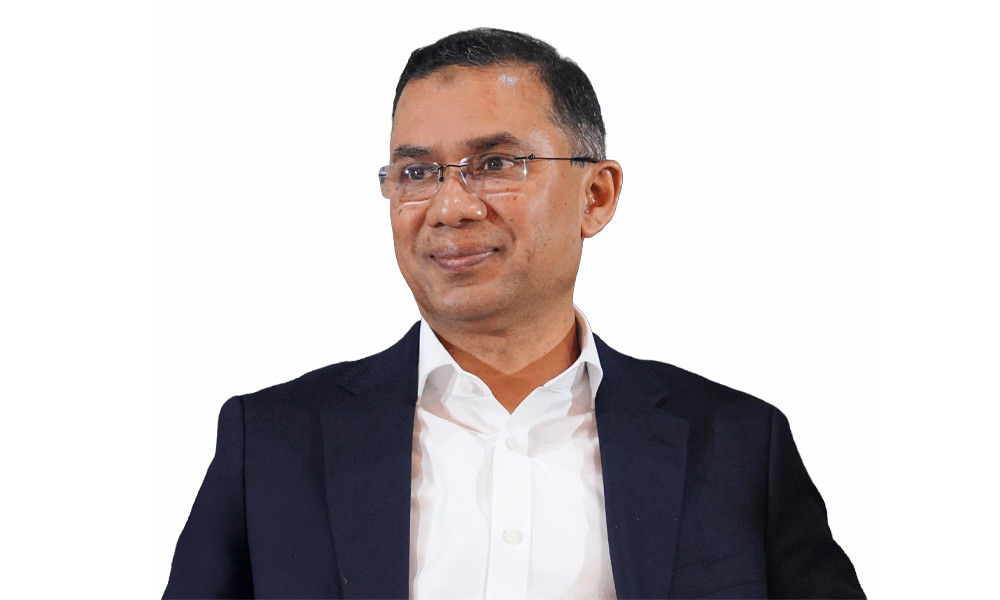
Prime Minister Tarique Rahman has called on Japanese companies to invest in five priority sectors in Bangladesh to transform the longstanding bilateral relationship between the two countries into a stronger trade and economic partnership. The sectors are automotive manufacturing, energy, technology and space research, railways and logistics, and agro-processing and manufacturing.

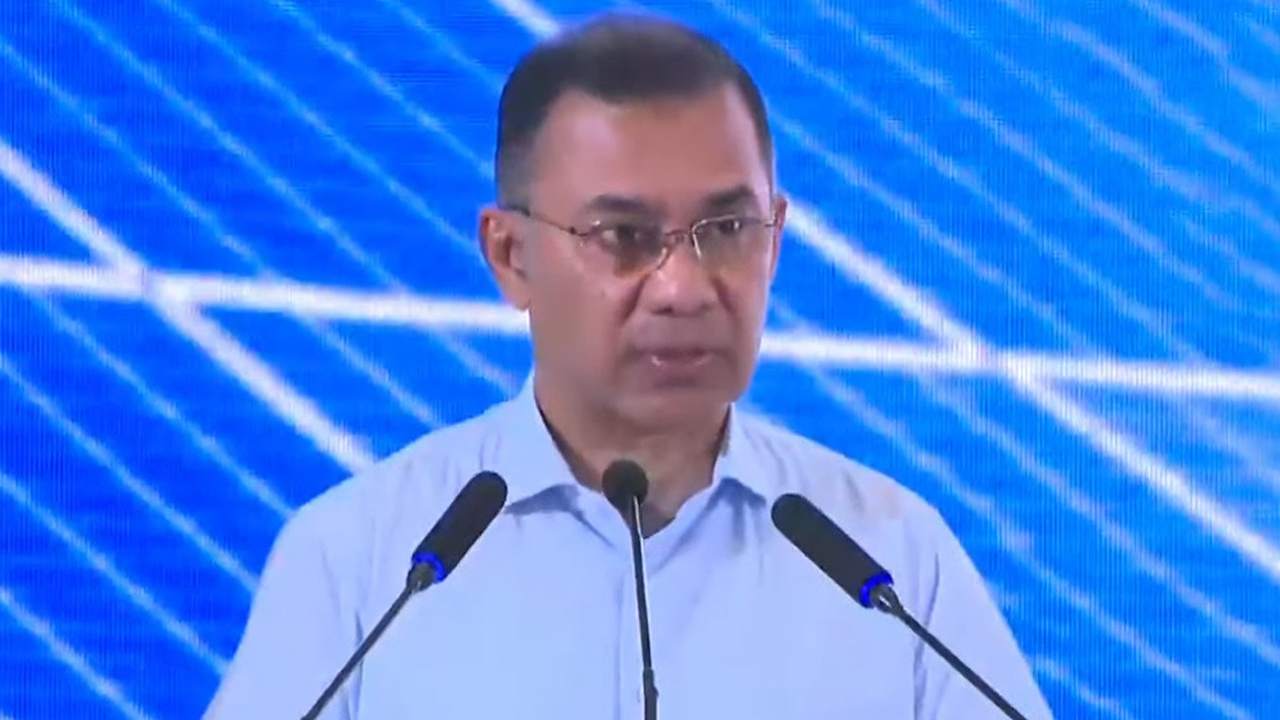
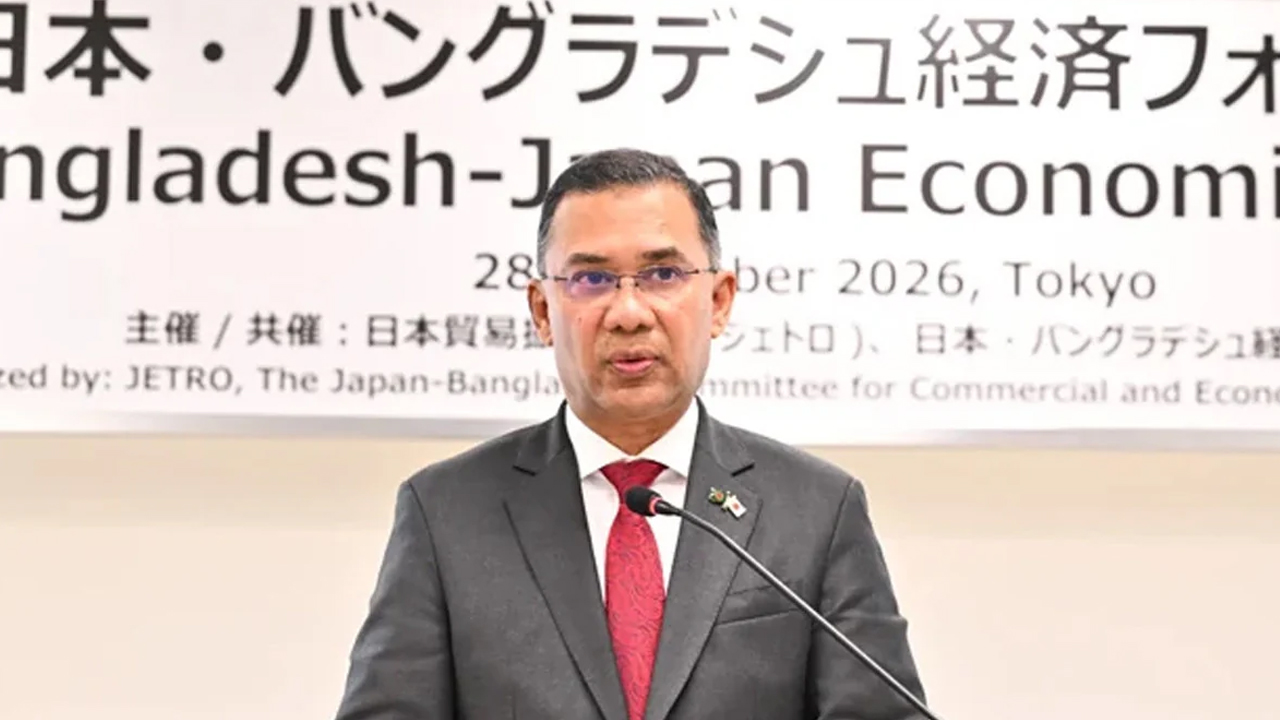
He made the call while delivering the keynote address at the Bangladesh-Japan Economic Forum Dialogue held at the Japan External Trade Organization (JETRO) Hall in Tokyo.

“I invite Japanese companies to explore future cooperation and business opportunities in these five key sectors for mutual benefit,” the prime minister said.

Highlighting the untapped potential of bilateral economic ties, Tarique Rahman said around 350 Japanese companies are currently operating in Bangladesh, while Japan’s foreign direct investment (FDI) in the country remains below US$500 million.

Bangladesh exported goods worth US$1.36 billion to Japan in the last fiscal year, while imports from Japan amounted to US$2.16 billion, he said. The prime minister stressed the need to move beyond development assistance and expand trade and investment between the two countries.

Recalling the longstanding friendship between Bangladesh and Japan, he said Japan was among the first countries to recognise Bangladesh in February 1972. For more than five decades, Japan has remained one of Bangladesh’s largest development partners. He also recalled the contributions of his father, Shaheed President Ziaur Rahman, and his mother, former Prime Minister Begum Khaleda Zia, who visited Japan on several occasions to strengthen bilateral relations.

The prime minister said Bangladesh and Japan signed an Economic Partnership Agreement (EPA) this year, the first agreement of its kind signed by Bangladesh with any country. Under the agreement, 7,379 Bangladeshi products will receive duty-free access to the Japanese market. Japanese products, including steel, automotive parts and electronic goods, will also enjoy preferential benefits in Bangladesh.

He highlighted Bangladesh’s market of more than 180 million people, its young workforce with an average age of 27, and its growing middle class as major advantages for investors. Bangladesh is expected to become one of the world’s top 10 consumer economies by 2030, he added.

Identifying automotive manufacturing as the first priority, Tarique Rahman welcomed Toyota’s plans to establish a vehicle manufacturing plant in Bangladesh. Referring to the target of achieving full-scale production by 2029, he assured the company of the government’s full support.

In the energy sector, he invited Japanese companies to invest in liquefied natural gas (LNG) infrastructure, efficient gas-fired power generation and renewable energy. Bangladesh has short-, medium- and long-term plans for the development of its gas, electricity and broader energy sectors, he said, adding that the country is working closely with Japan’s JERA Corporation in this regard.

On technology and space research, the prime minister said Bangladesh plans to establish a “Bangladesh-Japan Technology Park” and innovation-focused IT parks, with participation from Japanese companies, universities and investors. The initiatives will prioritise artificial intelligence (AI), cloud computing, robotics and electronics manufacturing.

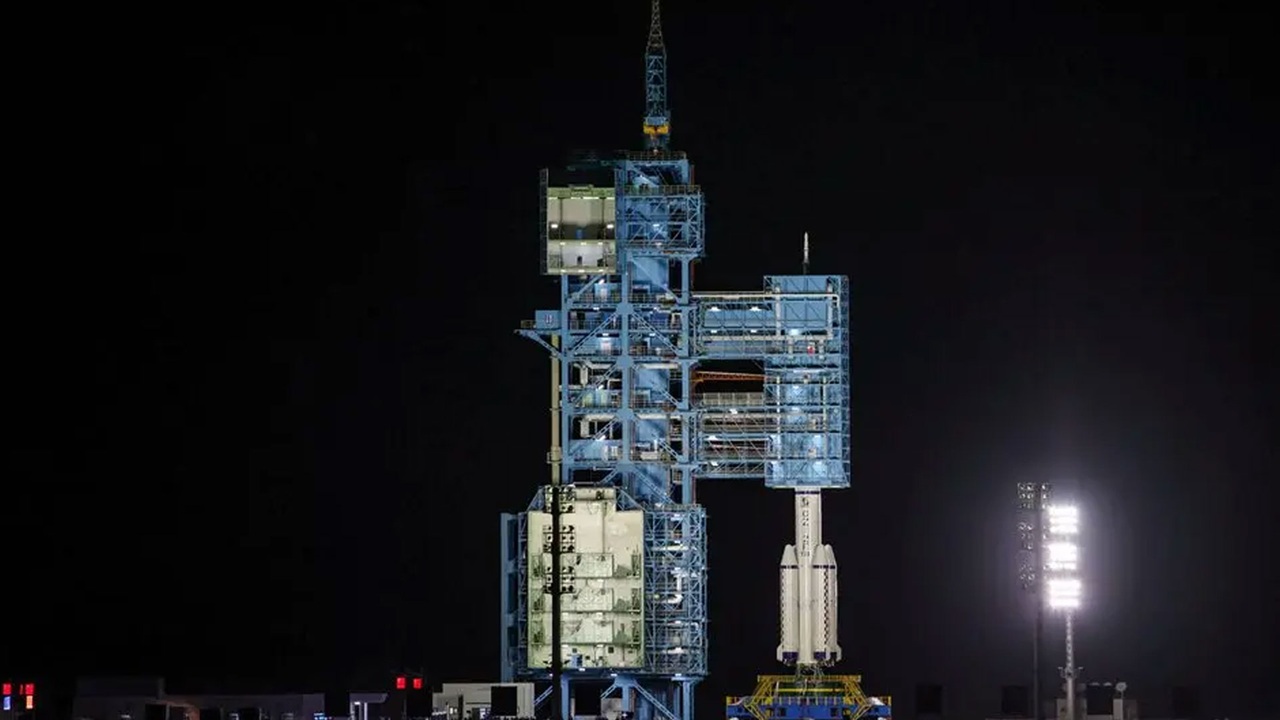
He also highlighted opportunities for cooperation in space technology, saying Bangladesh wants to strengthen its space capabilities by drawing on Japan’s expertise in space science, satellite engineering and technology.

Regarding railways and logistics, Tarique Rahman said Bangladesh plans to develop a modern, high-speed rail network connecting major cities, including Dhaka, Chattogram, Sylhet, Rajshahi, Khulna and Barishal. Japanese investment would be welcomed in preparing a master plan, analysing passenger and freight transport demand, and conducting feasibility studies.

Highlighting investment opportunities in agro-processing and manufacturing, he said Bangladesh produces a wide variety of crops, fruits and vegetables. Japanese companies could invest in the Bangladesh Special Economic Zone in Araihazar, which is being developed by Sumitomo Corporation to Japanese standards.

Addressing concerns raised by Japanese companies over uninterrupted energy supplies, efficient infrastructure, and streamlined customs and taxation systems, the prime minister said the government was taking these issues seriously and working to resolve them.

“We understand that businesses need certainty and investors need confidence. Our job is to create the right environment for both,” he said.

The prime minister also emphasised people-to-people ties and skills development. He said many Bangladeshi students travel to Japan for higher education each year, and the government is prioritising Japanese-language training for young Bangladeshis alongside technical skills. This would help meet employment needs in both countries, he added.

“When Bangladesh was building its foundations, Japan stood beside us. Today, we invite you to help us build our industries, create new opportunities and achieve prosperity together,” the prime minister said.

The forum was organised jointly with the support of JETRO, the Japan-Bangladesh Committee for Commercial and Economic Cooperation (JBCCEC), and the Bangladesh Embassy in Japan.

JETRO President Susumu Kataoka delivered the opening remarks, while Shinji Wakayama, Parliamentary Vice-Minister of Japan’s Ministry of Economy, Trade and Industry, spoke as a guest speaker.

Finance and Planning Minister Amir Khasru Mahmud Chowdhury spoke about building an investment-driven economy in Bangladesh, while Invest Bangladesh Chairman Ashik Chowdhury outlined government reforms aimed at facilitating investment.

Kenichiro Kawamoto, general manager of Mitsui & Co.’s Dhaka office, and Reisuke Aratani, vice-president of global sales at YKK Corporation, also delivered presentations. Prime Minister’s Adviser Rehan Asif Asad addressed the event as well.

Prime Minister Calls for Japanese Investment in Five Priority Sectors

Update Time: 06:02:02 pm, Wednesday, 28 October 2026

Prime Minister Tarique Rahman has called on Japanese companies to invest in five priority sectors in Bangladesh to transform the longstanding bilateral relationship between the two countries into a stronger trade and economic partnership. The sectors are automotive manufacturing, energy, technology and space research, railways and logistics, and agro-processing and manufacturing.

He made the call while delivering the keynote address at the Bangladesh-Japan Economic Forum Dialogue held at the Japan External Trade Organization (JETRO) Hall in Tokyo.

“I invite Japanese companies to explore future cooperation and business opportunities in these five key sectors for mutual benefit,” the prime minister said.

Highlighting the untapped potential of bilateral economic ties, Tarique Rahman said around 350 Japanese companies are currently operating in Bangladesh, while Japan’s foreign direct investment (FDI) in the country remains below US$500 million.

Bangladesh exported goods worth US$1.36 billion to Japan in the last fiscal year, while imports from Japan amounted to US$2.16 billion, he said. The prime minister stressed the need to move beyond development assistance and expand trade and investment between the two countries.

Recalling the longstanding friendship between Bangladesh and Japan, he said Japan was among the first countries to recognise Bangladesh in February 1972. For more than five decades, Japan has remained one of Bangladesh’s largest development partners. He also recalled the contributions of his father, Shaheed President Ziaur Rahman, and his mother, former Prime Minister Begum Khaleda Zia, who visited Japan on several occasions to strengthen bilateral relations.

The prime minister said Bangladesh and Japan signed an Economic Partnership Agreement (EPA) this year, the first agreement of its kind signed by Bangladesh with any country. Under the agreement, 7,379 Bangladeshi products will receive duty-free access to the Japanese market. Japanese products, including steel, automotive parts and electronic goods, will also enjoy preferential benefits in Bangladesh.

He highlighted Bangladesh’s market of more than 180 million people, its young workforce with an average age of 27, and its growing middle class as major advantages for investors. Bangladesh is expected to become one of the world’s top 10 consumer economies by 2030, he added.

Identifying automotive manufacturing as the first priority, Tarique Rahman welcomed Toyota’s plans to establish a vehicle manufacturing plant in Bangladesh. Referring to the target of achieving full-scale production by 2029, he assured the company of the government’s full support.

In the energy sector, he invited Japanese companies to invest in liquefied natural gas (LNG) infrastructure, efficient gas-fired power generation and renewable energy. Bangladesh has short-, medium- and long-term plans for the development of its gas, electricity and broader energy sectors, he said, adding that the country is working closely with Japan’s JERA Corporation in this regard.

On technology and space research, the prime minister said Bangladesh plans to establish a “Bangladesh-Japan Technology Park” and innovation-focused IT parks, with participation from Japanese companies, universities and investors. The initiatives will prioritise artificial intelligence (AI), cloud computing, robotics and electronics manufacturing.

He also highlighted opportunities for cooperation in space technology, saying Bangladesh wants to strengthen its space capabilities by drawing on Japan’s expertise in space science, satellite engineering and technology.

Regarding railways and logistics, Tarique Rahman said Bangladesh plans to develop a modern, high-speed rail network connecting major cities, including Dhaka, Chattogram, Sylhet, Rajshahi, Khulna and Barishal. Japanese investment would be welcomed in preparing a master plan, analysing passenger and freight transport demand, and conducting feasibility studies.

Highlighting investment opportunities in agro-processing and manufacturing, he said Bangladesh produces a wide variety of crops, fruits and vegetables. Japanese companies could invest in the Bangladesh Special Economic Zone in Araihazar, which is being developed by Sumitomo Corporation to Japanese standards.

Addressing concerns raised by Japanese companies over uninterrupted energy supplies, efficient infrastructure, and streamlined customs and taxation systems, the prime minister said the government was taking these issues seriously and working to resolve them.

“We understand that businesses need certainty and investors need confidence. Our job is to create the right environment for both,” he said.

The prime minister also emphasised people-to-people ties and skills development. He said many Bangladeshi students travel to Japan for higher education each year, and the government is prioritising Japanese-language training for young Bangladeshis alongside technical skills. This would help meet employment needs in both countries, he added.

“When Bangladesh was building its foundations, Japan stood beside us. Today, we invite you to help us build our industries, create new opportunities and achieve prosperity together,” the prime minister said.

The forum was organised jointly with the support of JETRO, the Japan-Bangladesh Committee for Commercial and Economic Cooperation (JBCCEC), and the Bangladesh Embassy in Japan.

JETRO President Susumu Kataoka delivered the opening remarks, while Shinji Wakayama, Parliamentary Vice-Minister of Japan’s Ministry of Economy, Trade and Industry, spoke as a guest speaker.

Finance and Planning Minister Amir Khasru Mahmud Chowdhury spoke about building an investment-driven economy in Bangladesh, while Invest Bangladesh Chairman Ashik Chowdhury outlined government reforms aimed at facilitating investment.

Kenichiro Kawamoto, general manager of Mitsui & Co.’s Dhaka office, and Reisuke Aratani, vice-president of global sales at YKK Corporation, also delivered presentations. Prime Minister’s Adviser Rehan Asif Asad addressed the event as well.