Dhaka 3:08 pm, Monday, 9 November 2026

Bangladesh to Join Rotterdam Convention on Hazardous Chemicals Management

Bangladesh is set to join the Rotterdam Convention to strengthen international cooperation in the import, export and management of hazardous chemicals and pesticides. The Cabinet has approved a proposal for the country’s accession to the international convention, creating opportunities to improve risk assessment, information sharing and chemical management.

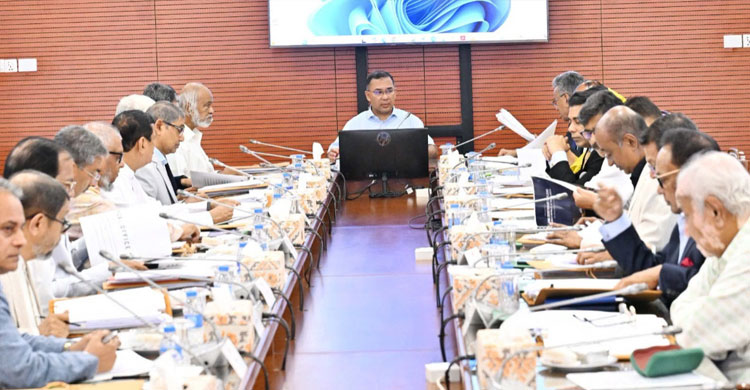
The proposal was approved at a Cabinet meeting chaired by Prime Minister Tarique Rahman at the Secretariat on Sunday (October 18). Cabinet Secretary Nasimul Gani disclosed the decision at a press briefing held at the Press Information Department’s conference room after the meeting. The Ministry of Environment, Forest and Climate Change initiated the proposal.

The cabinet secretary said many toxic chemicals and pesticides can have harmful effects that need to be understood before they are imported. Joining the convention will help Bangladesh access information about the risks associated with such substances and make more informed decisions about whether to allow their import.

According to a Cabinet Division press release, the Rotterdam Convention on the Prior Informed Consent Procedure for Certain Hazardous Chemicals and Pesticides in International Trade was adopted on September 10, 1998, and entered into force on February 24, 2004. The convention promotes international cooperation in managing hazardous, restricted and banned chemicals in global trade.

Currently, 167 countries are parties to the convention. Bangladesh and Bhutan are the only South Asian Association for Regional Cooperation (SAARC) member states that have yet to join.

Accession is expected to help Bangladesh strengthen its capacity to manage hazardous chemicals, attract more foreign funding for related projects, develop a database of dangerous substances and track their movement.

It will also create opportunities for Bangladesh to make informed decisions about chemicals listed in Annex III of the convention and strengthen the shared responsibilities of importing and exporting countries in international trade.

Under Article 14, Bangladesh will be able to exchange scientific, technical, economic and legal information on hazardous chemicals and pesticides with other member states.

The country will also be able to enhance cooperation with member states and the convention’s secretariat and seek technical assistance from the Rotterdam Convention Secretariat under Article 16.


Bangladesh to Join Rotterdam Convention on Hazardous Chemicals Management

Update Time: 10:01:21 pm, Sunday, 18 October 2026

Bangladesh is set to join the Rotterdam Convention to strengthen international cooperation in the import, export and management of hazardous chemicals and pesticides. The Cabinet has approved a proposal for the country’s accession to the international convention, creating opportunities to improve risk assessment, information sharing and chemical management.

The proposal was approved at a Cabinet meeting chaired by Prime Minister Tarique Rahman at the Secretariat on Sunday (October 18). Cabinet Secretary Nasimul Gani disclosed the decision at a press briefing held at the Press Information Department’s conference room after the meeting. The Ministry of Environment, Forest and Climate Change initiated the proposal.

The cabinet secretary said many toxic chemicals and pesticides can have harmful effects that need to be understood before they are imported. Joining the convention will help Bangladesh access information about the risks associated with such substances and make more informed decisions about whether to allow their import.

According to a Cabinet Division press release, the Rotterdam Convention on the Prior Informed Consent Procedure for Certain Hazardous Chemicals and Pesticides in International Trade was adopted on September 10, 1998, and entered into force on February 24, 2004. The convention promotes international cooperation in managing hazardous, restricted and banned chemicals in global trade.

Currently, 167 countries are parties to the convention. Bangladesh and Bhutan are the only South Asian Association for Regional Cooperation (SAARC) member states that have yet to join.

Accession is expected to help Bangladesh strengthen its capacity to manage hazardous chemicals, attract more foreign funding for related projects, develop a database of dangerous substances and track their movement.

It will also create opportunities for Bangladesh to make informed decisions about chemicals listed in Annex III of the convention and strengthen the shared responsibilities of importing and exporting countries in international trade.

Under Article 14, Bangladesh will be able to exchange scientific, technical, economic and legal information on hazardous chemicals and pesticides with other member states.

The country will also be able to enhance cooperation with member states and the convention’s secretariat and seek technical assistance from the Rotterdam Convention Secretariat under Article 16.