

Dhaka 3:07 pm, Monday, 9 November 2026

Government Fully Open to Receiving Advice: Local Government Minister

The current democratically elected government is fully open to receiving advice and recommendations from civil society and experts, said Local Government, Rural Development and Cooperatives Minister Dr Abdul Mueen Khan. He said the government aims to formulate policies that will genuinely benefit the people of the country.

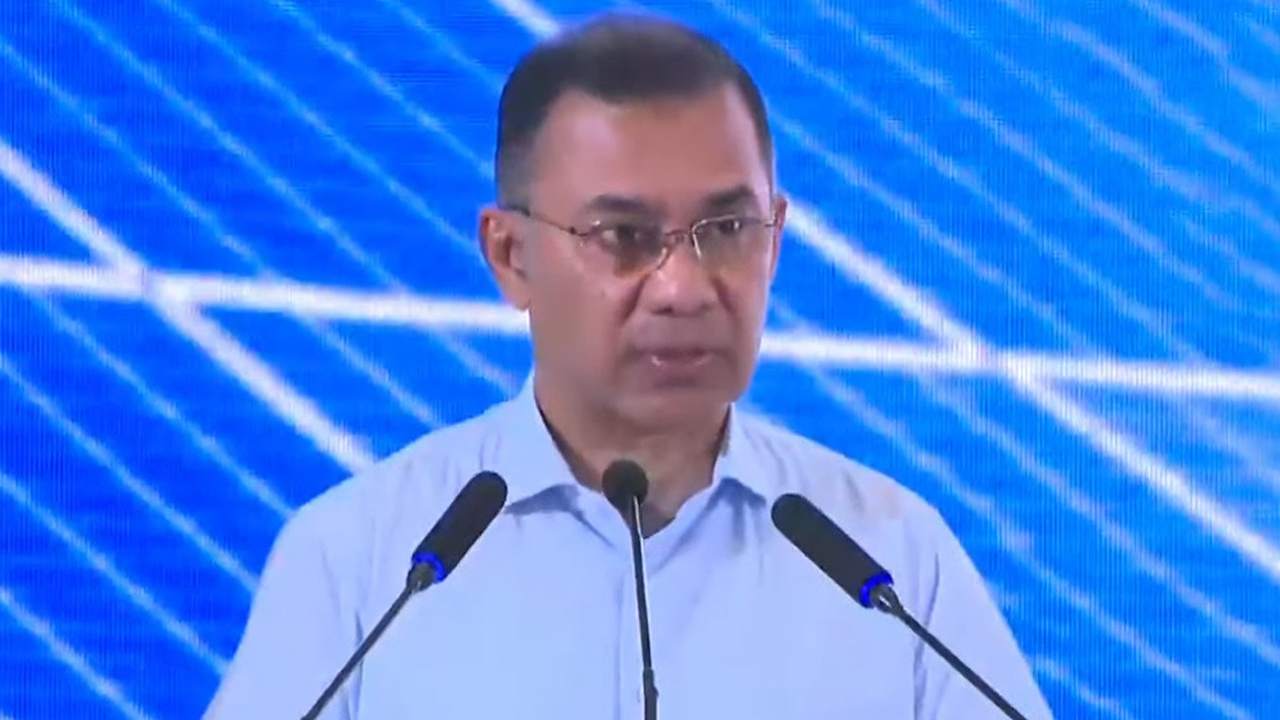
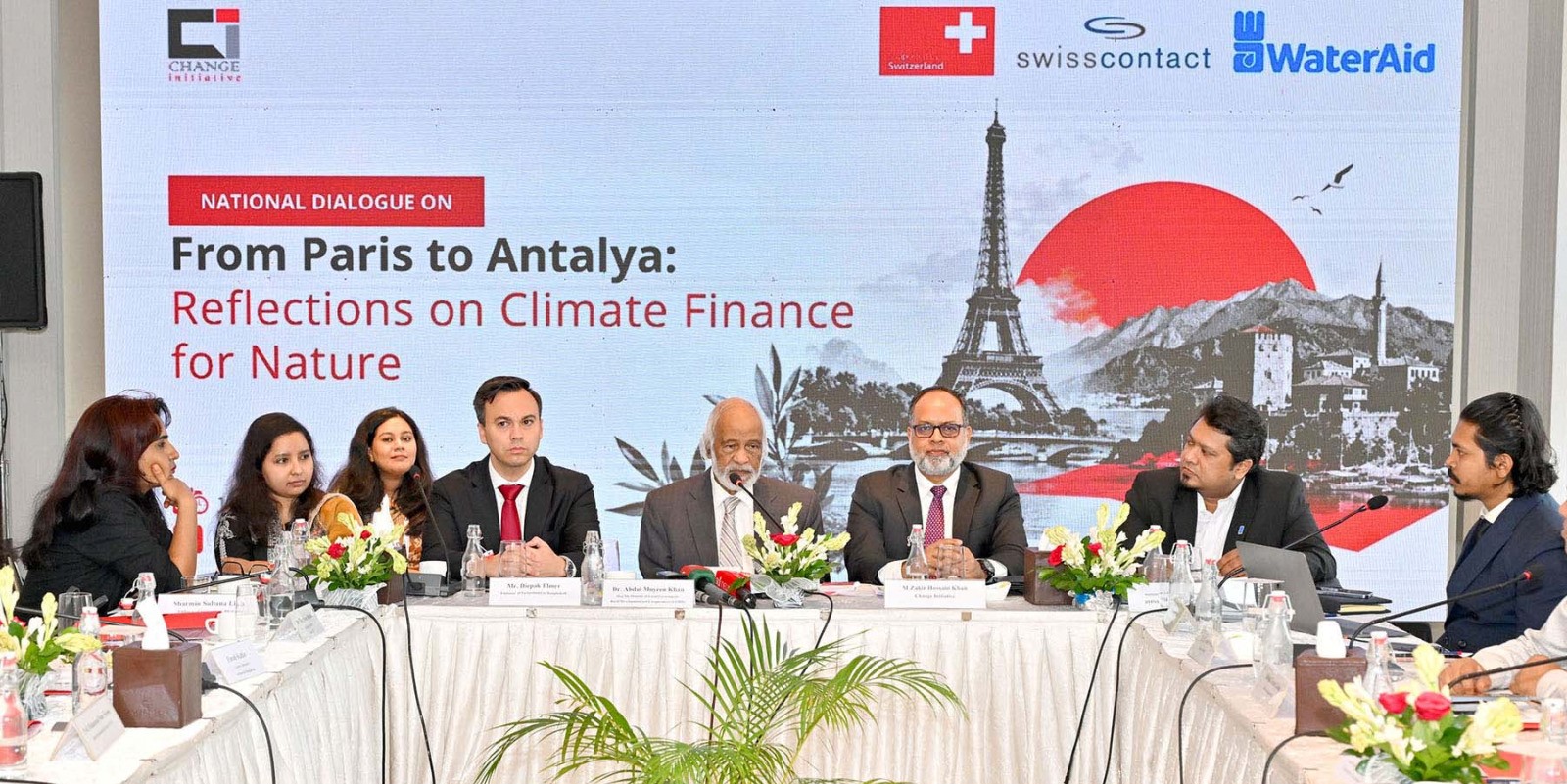
He made the remarks while addressing a national dialogue titled “From Paris to Antalya: Reviewing Climate Finance for Nature” as the chief guest on Thursday (October 15). The event was organised by the non-governmental organisation Change Initiative at a hotel in Banani, Dhaka. Climate experts, policymakers and international representatives attended the programme.

Dr Mueen Khan expressed concern over the slow pace of global climate action over the past three decades. Recalling a speech he delivered on environmental issues at the United Nations 35 years ago, he regretted that fundamental issues discussed at the time, including the principle that polluters should pay compensation, remain unresolved worldwide.

He said, “Sometimes it feels as though we are once again raising the same environmental concerns and anxieties at the United Nations that we highlighted 35 years ago.” He noted that wealthy countries responsible for the largest share of global greenhouse gas emissions had historically failed to accept their responsibilities, leaving the global environment increasingly vulnerable.

Highlighting the challenges faced by elected representatives in developing countries such as Bangladesh, the minister said ordinary people expect immediate improvements in infrastructure, roads and industrial development. Political leaders must therefore balance these short-term public expectations with the need to ensure long-term environmental sustainability. Referring to the prime minister’s openness towards the people, he said the example was instructive for the country.

Speaking about climate finance and national debt, Dr Mueen Khan said borrowing itself was not the main problem; rather, the key issue was how the money was used. He noted that Bangladesh had undertaken various development projects through borrowing over many years without being classified among highly indebted poor countries. The country had also successfully maintained its capacity to repay loans.

He attributed this, in part, to Bangladesh’s strong informal economy, which accounts for an estimated 60 to 70 per cent of the country’s overall economic activity and supports the livelihoods of millions of people.

Citing Germany’s reconstruction after the Second World War, the minister said borrowing could serve as an effective long-term development strategy if the funds were invested in the right sectors and used transparently.

Referring to a historic hydropower project in Nepal, he also highlighted how public awareness and environmental movements could help protect nature. He urged local groups involved in climate activism to go beyond conference halls and ballrooms in luxury hotels and take their campaigns directly to rural communities and people at the grassroots level.

Government Fully Open to Receiving Advice: Local Government Minister

Update Time: 06:11:51 pm, Thursday, 15 October 2026

The current democratically elected government is fully open to receiving advice and recommendations from civil society and experts, said Local Government, Rural Development and Cooperatives Minister Dr Abdul Mueen Khan. He said the government aims to formulate policies that will genuinely benefit the people of the country.

He made the remarks while addressing a national dialogue titled “From Paris to Antalya: Reviewing Climate Finance for Nature” as the chief guest on Thursday (October 15). The event was organised by the non-governmental organisation Change Initiative at a hotel in Banani, Dhaka. Climate experts, policymakers and international representatives attended the programme.

Dr Mueen Khan expressed concern over the slow pace of global climate action over the past three decades. Recalling a speech he delivered on environmental issues at the United Nations 35 years ago, he regretted that fundamental issues discussed at the time, including the principle that polluters should pay compensation, remain unresolved worldwide.

He said, “Sometimes it feels as though we are once again raising the same environmental concerns and anxieties at the United Nations that we highlighted 35 years ago.” He noted that wealthy countries responsible for the largest share of global greenhouse gas emissions had historically failed to accept their responsibilities, leaving the global environment increasingly vulnerable.

Highlighting the challenges faced by elected representatives in developing countries such as Bangladesh, the minister said ordinary people expect immediate improvements in infrastructure, roads and industrial development. Political leaders must therefore balance these short-term public expectations with the need to ensure long-term environmental sustainability. Referring to the prime minister’s openness towards the people, he said the example was instructive for the country.

Speaking about climate finance and national debt, Dr Mueen Khan said borrowing itself was not the main problem; rather, the key issue was how the money was used. He noted that Bangladesh had undertaken various development projects through borrowing over many years without being classified among highly indebted poor countries. The country had also successfully maintained its capacity to repay loans.

He attributed this, in part, to Bangladesh’s strong informal economy, which accounts for an estimated 60 to 70 per cent of the country’s overall economic activity and supports the livelihoods of millions of people.

Citing Germany’s reconstruction after the Second World War, the minister said borrowing could serve as an effective long-term development strategy if the funds were invested in the right sectors and used transparently.

Referring to a historic hydropower project in Nepal, he also highlighted how public awareness and environmental movements could help protect nature. He urged local groups involved in climate activism to go beyond conference halls and ballrooms in luxury hotels and take their campaigns directly to rural communities and people at the grassroots level.