

Dhaka 3:07 pm, Monday, 9 November 2026

Transparency in Recruitment Process Essential for Safe Migration: President

President Mirza Fakhrul Islam Alamgir has called for reducing migration costs, ensuring transparency in recruitment and taking strict action against fraud and broker networks to ensure safe overseas employment for Bangladeshi workers.

He said the rights, safety and dignity of migrant workers, who make significant contributions to the country’s economy, must never be left uncertain. All concerned must take effective measures by giving the interests of workers the highest priority to ensure safe migration.

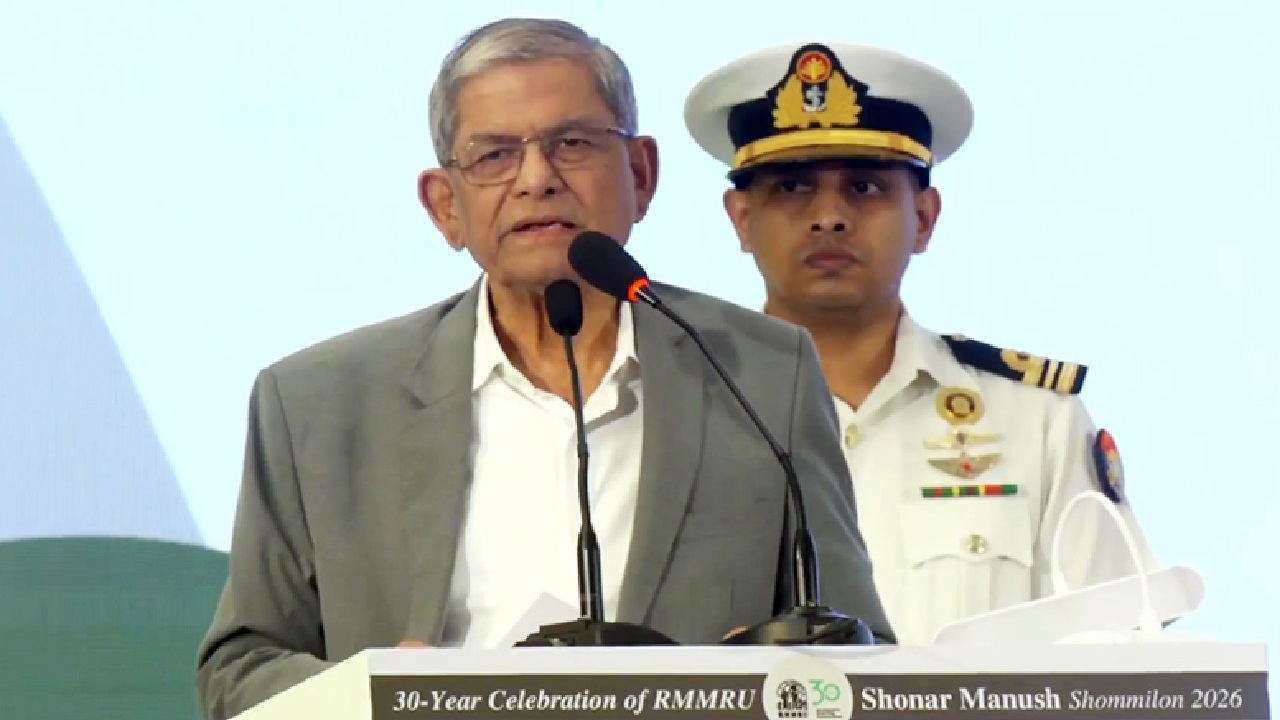
The president made the remarks in his speech at the award-giving and closing ceremony of the 30th anniversary celebration of the Refugee and Migratory Movements Research Unit (RMMRU) and the ‘Sonar Manush Sammilan 2026’ at the Ruposhi Bangla Grand Ballroom of Hotel InterContinental in the capital on Wednesday (October 14).

The president said many aspiring migrant workers sell their land, take out loans and spend their families’ savings in hopes of securing employment abroad. Despite these sacrifices, many fall victim to fraud. Some face excessive migration costs, others end up in uncertain jobs after reaching their destinations, while many do not receive the salaries promised in their contracts.

He stressed the need to establish transparency in recruitment, prevent fraud and ensure the effective involvement of relevant institutions to address these problems.

Calling for greater efforts to protect the rights of Bangladeshis working abroad, the president urged Bangladesh’s diplomatic missions in different countries to become more proactive. He said the missions must be worker-friendly so that migrant workers facing difficulties can receive necessary assistance and effective support in protecting their rights.

He also stressed the importance of ensuring that workers receive clear information about their employment contracts, salaries, working conditions and legal rights before leaving the country. This would help them remain aware of the risks of fraud and uncertainty in foreign employment.

The president said remittances sent by expatriate Bangladeshis and the country’s ready-made garment industry are two major driving forces of the national economy. Remittances play a crucial role in increasing foreign currency reserves, meeting import expenses and maintaining economic growth and stability.

He noted that expatriate Bangladeshis sent more than $35 billion in remittances during the 2025-26 fiscal year. The money has helped improve the living standards of millions of families while strengthening the overall economy.

Highlighting the contributions of around 15 million Bangladeshi migrant workers, the president said the state has a responsibility to recognise their work, sacrifices and contributions with due dignity. Migrant workers not only send money home but also represent Bangladesh abroad. The knowledge, experience and skills they acquire while working in different countries are valuable national assets.

The president emphasised the need to properly recognise migrant workers’ contributions and create opportunities to utilise their acquired expertise for the country’s development.

Referring to changing conditions in the international labour market, he said Bangladesh must look beyond simply increasing the number of workers sent abroad. Developing skills, ensuring suitable employment and promoting safe migration are equally important.

He noted that demand for technical knowledge, language proficiency, technological competence and professional training is growing in the global labour market.

According to the president, skilled workers are increasingly needed in artificial intelligence (AI), information technology, automation, nursing, healthcare, elderly care, electrical and electronic technology, and modern construction.

He called on public and private training institutions to develop a skilled workforce in line with the requirements of the international labour market.

The president further said recruitment and training plans should be based on accurate information about the number of workers needed in different countries and the qualifications and skills required for specific occupations. Providing training based on actual labour market demand would increase workers’ access to suitable employment opportunities.

He also called for stronger partnerships with foreign employers and training institutions.

Emphasising the safety, rights and dignity of female migrant workers, the president highlighted the need to encourage expatriates to invest their savings in productive sectors. He also stressed the importance of rehabilitating returning migrant workers, recognising their acquired skills, providing access to credit and creating opportunities for them to become entrepreneurs.

Transparency in Recruitment Process Essential for Safe Migration: President

Update Time: 07:14:25 pm, Wednesday, 14 October 2026

President Mirza Fakhrul Islam Alamgir has called for reducing migration costs, ensuring transparency in recruitment and taking strict action against fraud and broker networks to ensure safe overseas employment for Bangladeshi workers.

He said the rights, safety and dignity of migrant workers, who make significant contributions to the country’s economy, must never be left uncertain. All concerned must take effective measures by giving the interests of workers the highest priority to ensure safe migration.

The president made the remarks in his speech at the award-giving and closing ceremony of the 30th anniversary celebration of the Refugee and Migratory Movements Research Unit (RMMRU) and the ‘Sonar Manush Sammilan 2026’ at the Ruposhi Bangla Grand Ballroom of Hotel InterContinental in the capital on Wednesday (October 14).

The president said many aspiring migrant workers sell their land, take out loans and spend their families’ savings in hopes of securing employment abroad. Despite these sacrifices, many fall victim to fraud. Some face excessive migration costs, others end up in uncertain jobs after reaching their destinations, while many do not receive the salaries promised in their contracts.

He stressed the need to establish transparency in recruitment, prevent fraud and ensure the effective involvement of relevant institutions to address these problems.

Calling for greater efforts to protect the rights of Bangladeshis working abroad, the president urged Bangladesh’s diplomatic missions in different countries to become more proactive. He said the missions must be worker-friendly so that migrant workers facing difficulties can receive necessary assistance and effective support in protecting their rights.

He also stressed the importance of ensuring that workers receive clear information about their employment contracts, salaries, working conditions and legal rights before leaving the country. This would help them remain aware of the risks of fraud and uncertainty in foreign employment.

The president said remittances sent by expatriate Bangladeshis and the country’s ready-made garment industry are two major driving forces of the national economy. Remittances play a crucial role in increasing foreign currency reserves, meeting import expenses and maintaining economic growth and stability.

He noted that expatriate Bangladeshis sent more than $35 billion in remittances during the 2025-26 fiscal year. The money has helped improve the living standards of millions of families while strengthening the overall economy.

Highlighting the contributions of around 15 million Bangladeshi migrant workers, the president said the state has a responsibility to recognise their work, sacrifices and contributions with due dignity. Migrant workers not only send money home but also represent Bangladesh abroad. The knowledge, experience and skills they acquire while working in different countries are valuable national assets.

The president emphasised the need to properly recognise migrant workers’ contributions and create opportunities to utilise their acquired expertise for the country’s development.

Referring to changing conditions in the international labour market, he said Bangladesh must look beyond simply increasing the number of workers sent abroad. Developing skills, ensuring suitable employment and promoting safe migration are equally important.

He noted that demand for technical knowledge, language proficiency, technological competence and professional training is growing in the global labour market.

According to the president, skilled workers are increasingly needed in artificial intelligence (AI), information technology, automation, nursing, healthcare, elderly care, electrical and electronic technology, and modern construction.

He called on public and private training institutions to develop a skilled workforce in line with the requirements of the international labour market.

The president further said recruitment and training plans should be based on accurate information about the number of workers needed in different countries and the qualifications and skills required for specific occupations. Providing training based on actual labour market demand would increase workers’ access to suitable employment opportunities.

He also called for stronger partnerships with foreign employers and training institutions.

Emphasising the safety, rights and dignity of female migrant workers, the president highlighted the need to encourage expatriates to invest their savings in productive sectors. He also stressed the importance of rehabilitating returning migrant workers, recognising their acquired skills, providing access to credit and creating opportunities for them to become entrepreneurs.