Dhaka 2:56 pm, Monday, 9 November 2026

UN Secretary-General Race: Security Council Veto Powers Yet to Make Their Choices

With just three months remaining before António Guterres’ term as UN secretary-general ends, Costa Rican candidate Rebeca Grynspan has once again topped the fourth informal straw poll at the Security Council. Guyana’s Carolyn Rodrigues-Birkett came second, followed by Argentina’s Rafael Grossi.

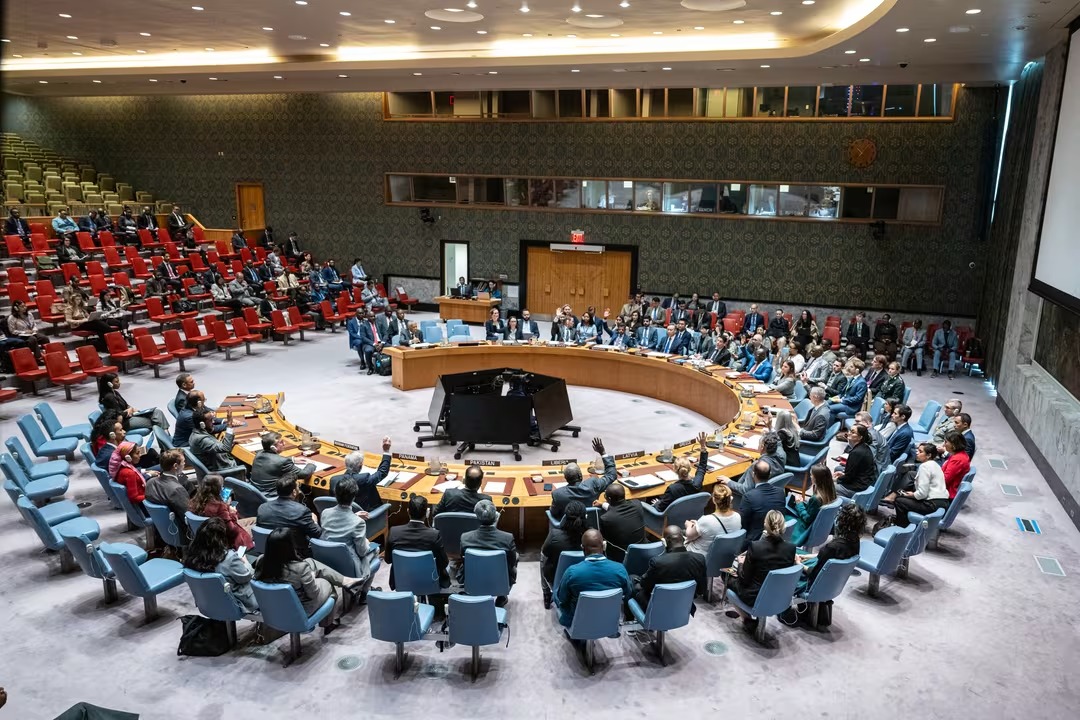
The Security Council held its fourth informal straw poll on Tuesday, with all 15 members rating each candidate as “encourage”, “discourage” or “no opinion”. Rebeca Grynspan, the current head of the UN trade and development agency, maintained her lead, receiving 10 “encourage” votes, three “discourage” votes and two “no opinion” votes.

Guyana’s ambassador, Carolyn Rodrigues-Birkett, came second with eight “encourage” votes, six “discourage” votes and one “no opinion” vote. Rafael Grossi, director-general of the International Atomic Energy Agency (IAEA), received eight supportive votes but also seven against.

“Rebeca Grynspan has presented herself as a strong candidate. During the high-level segment of the 81st General Assembly, she gained popularity among diplomats in New York,” said Daniel Forti, director of UN affairs in New York at the International Crisis Group.

However, the race is far from over. The Security Council has yet to move to the stage at which different-coloured ballots are used to distinguish the five permanent, veto-wielding members from the other members. As a result, the seven remaining candidates—following the withdrawal of former Chilean president Michelle Bachelet last week—have not yet faced a public veto from the United States, China, Russia, the United Kingdom or France.

China’s Preferred Candidates
None of the five permanent members has publicly announced its preferred candidate. However, Hong Kong-based newspaper South China Morning Post has reported on Beijing’s position.

According to the newspaper, China is considering Grynspan and Rodrigues-Birkett but has reportedly ruled out Grossi, viewing him as too close to Washington.

Although Beijing may favour one of the two Latin American candidates, the positions of the other permanent members will also be crucial. The Trump administration may regard Grynspan as a particularly significant candidate. She heads the UN trade and development agency, which is sometimes viewed as more left-leaning than the World Trade Organization.

To be elected secretary-general, a candidate must secure at least nine of the Security Council’s 15 votes while avoiding a veto from any of the five permanent members.

Controversy Surrounding Guyana’s Candidate
An opinion article published in Washington-based The Hill has raised criticism of Guyana’s candidate, Carolyn Rodrigues-Birkett. The authors, Richard Goldberg and Ben Cohen, are an adviser and a researcher, respectively, at the Foundation for Defense of Democracies, a neoconservative, pro-Israel think tank.

They argue that Rodrigues-Birkett is too closely aligned with China, supported the late Cuban leader Fidel Castro and is sympathetic to Hamas. They also point to her statement that Israel was committing “genocide” in Gaza.

Their comments offer a possible indication of how the White House may view the candidates. However, these are the authors’ opinions and allegations rather than established findings.

Growing Calls for the First Female Secretary-General
Pressure is mounting within the UN and civil society to appoint a woman as secretary-general for the first time. All nine previous officeholders have been men, while two women are now among the leading candidates in the race.

“To have a chance, candidates must demonstrate their abilities and build relationships, but also avoid upsetting the P5 as much as possible,” Forti said, referring to the five permanent members of the Security Council.

Much could still happen behind the scenes at the United Nations.

Could a Surprise Candidate Enter the Race?
Despite Grynspan’s apparent lead, the lack of consensus could open the door for additional candidates. Both Ban Ki-moon and António Guterres had significant leads over their rivals before their appointments were confirmed.

Names circulating as potential contenders include former Bulgarian foreign minister Nikolay Mladenov, UN Deputy Secretary-General Amina Mohammed and former Mexican foreign minister Alicia Bárcena.

Other possible candidates include Emirati minister Lana Nusseibeh and former UN Under-Secretary-General Sigrid Kaag of the Netherlands.

However, the UN’s unwritten principle of geographical rotation suggests that Latin America may be next in line for the top job—35 years after Peruvian diplomat Javier Pérez de Cuéllar held the position.

Source: Geneva Solutions

UN Secretary-General Race: Security Council Veto Powers Yet to Make Their Choices

Update Time: 01:28:01 pm, Monday, 12 October 2026

With just three months remaining before António Guterres’ term as UN secretary-general ends, Costa Rican candidate Rebeca Grynspan has once again topped the fourth informal straw poll at the Security Council. Guyana’s Carolyn Rodrigues-Birkett came second, followed by Argentina’s Rafael Grossi.

The Security Council held its fourth informal straw poll on Tuesday, with all 15 members rating each candidate as “encourage”, “discourage” or “no opinion”. Rebeca Grynspan, the current head of the UN trade and development agency, maintained her lead, receiving 10 “encourage” votes, three “discourage” votes and two “no opinion” votes.

Guyana’s ambassador, Carolyn Rodrigues-Birkett, came second with eight “encourage” votes, six “discourage” votes and one “no opinion” vote. Rafael Grossi, director-general of the International Atomic Energy Agency (IAEA), received eight supportive votes but also seven against.

“Rebeca Grynspan has presented herself as a strong candidate. During the high-level segment of the 81st General Assembly, she gained popularity among diplomats in New York,” said Daniel Forti, director of UN affairs in New York at the International Crisis Group.

However, the race is far from over. The Security Council has yet to move to the stage at which different-coloured ballots are used to distinguish the five permanent, veto-wielding members from the other members. As a result, the seven remaining candidates—following the withdrawal of former Chilean president Michelle Bachelet last week—have not yet faced a public veto from the United States, China, Russia, the United Kingdom or France.

China’s Preferred Candidates
None of the five permanent members has publicly announced its preferred candidate. However, Hong Kong-based newspaper South China Morning Post has reported on Beijing’s position.

According to the newspaper, China is considering Grynspan and Rodrigues-Birkett but has reportedly ruled out Grossi, viewing him as too close to Washington.

Although Beijing may favour one of the two Latin American candidates, the positions of the other permanent members will also be crucial. The Trump administration may regard Grynspan as a particularly significant candidate. She heads the UN trade and development agency, which is sometimes viewed as more left-leaning than the World Trade Organization.

To be elected secretary-general, a candidate must secure at least nine of the Security Council’s 15 votes while avoiding a veto from any of the five permanent members.

Controversy Surrounding Guyana’s Candidate
An opinion article published in Washington-based The Hill has raised criticism of Guyana’s candidate, Carolyn Rodrigues-Birkett. The authors, Richard Goldberg and Ben Cohen, are an adviser and a researcher, respectively, at the Foundation for Defense of Democracies, a neoconservative, pro-Israel think tank.

They argue that Rodrigues-Birkett is too closely aligned with China, supported the late Cuban leader Fidel Castro and is sympathetic to Hamas. They also point to her statement that Israel was committing “genocide” in Gaza.

Their comments offer a possible indication of how the White House may view the candidates. However, these are the authors’ opinions and allegations rather than established findings.

Growing Calls for the First Female Secretary-General
Pressure is mounting within the UN and civil society to appoint a woman as secretary-general for the first time. All nine previous officeholders have been men, while two women are now among the leading candidates in the race.

“To have a chance, candidates must demonstrate their abilities and build relationships, but also avoid upsetting the P5 as much as possible,” Forti said, referring to the five permanent members of the Security Council.

Much could still happen behind the scenes at the United Nations.

Could a Surprise Candidate Enter the Race?
Despite Grynspan’s apparent lead, the lack of consensus could open the door for additional candidates. Both Ban Ki-moon and António Guterres had significant leads over their rivals before their appointments were confirmed.

Names circulating as potential contenders include former Bulgarian foreign minister Nikolay Mladenov, UN Deputy Secretary-General Amina Mohammed and former Mexican foreign minister Alicia Bárcena.

Other possible candidates include Emirati minister Lana Nusseibeh and former UN Under-Secretary-General Sigrid Kaag of the Netherlands.

However, the UN’s unwritten principle of geographical rotation suggests that Latin America may be next in line for the top job—35 years after Peruvian diplomat Javier Pérez de Cuéllar held the position.

Source: Geneva Solutions