Dhaka 2:55 pm, Monday, 9 November 2026

Modernisation Can Make State-Owned Factories Profitable: Rizvi

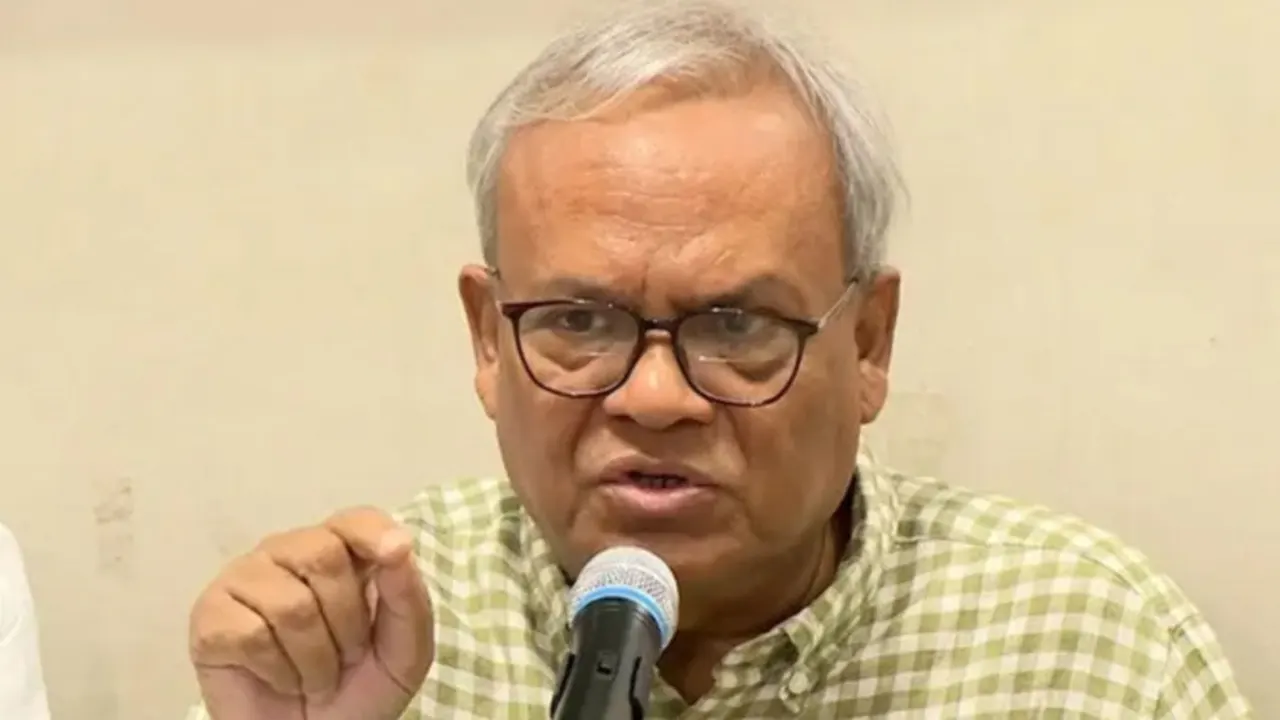
BNP Acting Secretary General and Prime Minister’s Political Adviser Ruhul Kabir Rizvi has said state-owned factories can be turned into profitable enterprises by appointing competent people to key positions and introducing modern technology.

He made the remarks as the chief guest at a discussion titled “Measures to Address Existing Problems in the Textile Sector” and a reception for the newly elected committee of ITET, organised by the Association of Engineers Bangladesh (AEB), at the IEB Auditorium in Ramna, Dhaka, on Saturday (October 10).

Rizvi said closed factories should be reopened and modernised to increase productivity. Professional skills and experience of engineers could play an important role in this process, he added.

He said the textile and readymade garment sectors were among the country’s major sources of foreign exchange earnings. The existing problems facing these sectors must be identified and addressed promptly. Entrepreneurs are dealing with various challenges, including energy and power shortages, rising electricity prices, limited access to bank financing, complications in opening letters of credit (LCs), and the need to meet international buyers’ compliance requirements.

Referring to disruptions in energy supplies caused by the international situation and ongoing wars, Rizvi said the country’s industrial sector was facing adverse effects. Effective measures were needed to maintain production and sustain the sector, which supports a large number of jobs, he added.

The BNP leader said Bangladesh’s graduation from the least developed country (LDC) category could create new challenges for the textile sector. European and American buyers might not remain as interested in purchasing Bangladeshi products after the graduation as they had been before. Ensuring the financial support necessary to meet international buyers’ compliance requirements was also crucial, he said.

Rizvi said the banking sector had suffered extensive damage during the previous government’s tenure. With limited resources, the banking and financial sectors must be restructured to ensure the necessary financing for industries. At the same time, workplace conditions for workers and environmental standards must be maintained to prevent international buyers from losing interest in Bangladeshi products.

Addressing the engineers, Rizvi said patriotism was the core principle of nationalist ideology. Engineers had an important role to play in rebuilding and developing the country. By setting aside individual interests and working collectively for social and national welfare, Bangladesh could become a modern and productive nation within a short period, he added.

Rizvi also referred to initiatives under the prime minister’s plan, including Family Cards, Farmers’ Cards, Expatriate Cards and Health Cards, as well as allowances for imams, muezzins and representatives of other religious communities. These measures, he said, reflected efforts to expand the social safety net.

Congratulating the newly elected members of the ITET committee, Rizvi also extended his best wishes to the candidates contesting the Engineers Institution election scheduled for November.

Modernisation Can Make State-Owned Factories Profitable: Rizvi

Update Time: 10:43:32 pm, Saturday, 10 October 2026

BNP Acting Secretary General and Prime Minister’s Political Adviser Ruhul Kabir Rizvi has said state-owned factories can be turned into profitable enterprises by appointing competent people to key positions and introducing modern technology.

He made the remarks as the chief guest at a discussion titled “Measures to Address Existing Problems in the Textile Sector” and a reception for the newly elected committee of ITET, organised by the Association of Engineers Bangladesh (AEB), at the IEB Auditorium in Ramna, Dhaka, on Saturday (October 10).

Rizvi said closed factories should be reopened and modernised to increase productivity. Professional skills and experience of engineers could play an important role in this process, he added.

He said the textile and readymade garment sectors were among the country’s major sources of foreign exchange earnings. The existing problems facing these sectors must be identified and addressed promptly. Entrepreneurs are dealing with various challenges, including energy and power shortages, rising electricity prices, limited access to bank financing, complications in opening letters of credit (LCs), and the need to meet international buyers’ compliance requirements.

Referring to disruptions in energy supplies caused by the international situation and ongoing wars, Rizvi said the country’s industrial sector was facing adverse effects. Effective measures were needed to maintain production and sustain the sector, which supports a large number of jobs, he added.

The BNP leader said Bangladesh’s graduation from the least developed country (LDC) category could create new challenges for the textile sector. European and American buyers might not remain as interested in purchasing Bangladeshi products after the graduation as they had been before. Ensuring the financial support necessary to meet international buyers’ compliance requirements was also crucial, he said.

Rizvi said the banking sector had suffered extensive damage during the previous government’s tenure. With limited resources, the banking and financial sectors must be restructured to ensure the necessary financing for industries. At the same time, workplace conditions for workers and environmental standards must be maintained to prevent international buyers from losing interest in Bangladeshi products.

Addressing the engineers, Rizvi said patriotism was the core principle of nationalist ideology. Engineers had an important role to play in rebuilding and developing the country. By setting aside individual interests and working collectively for social and national welfare, Bangladesh could become a modern and productive nation within a short period, he added.

Rizvi also referred to initiatives under the prime minister’s plan, including Family Cards, Farmers’ Cards, Expatriate Cards and Health Cards, as well as allowances for imams, muezzins and representatives of other religious communities. These measures, he said, reflected efforts to expand the social safety net.

Congratulating the newly elected members of the ITET committee, Rizvi also extended his best wishes to the candidates contesting the Engineers Institution election scheduled for November.