
 IU Correspondent
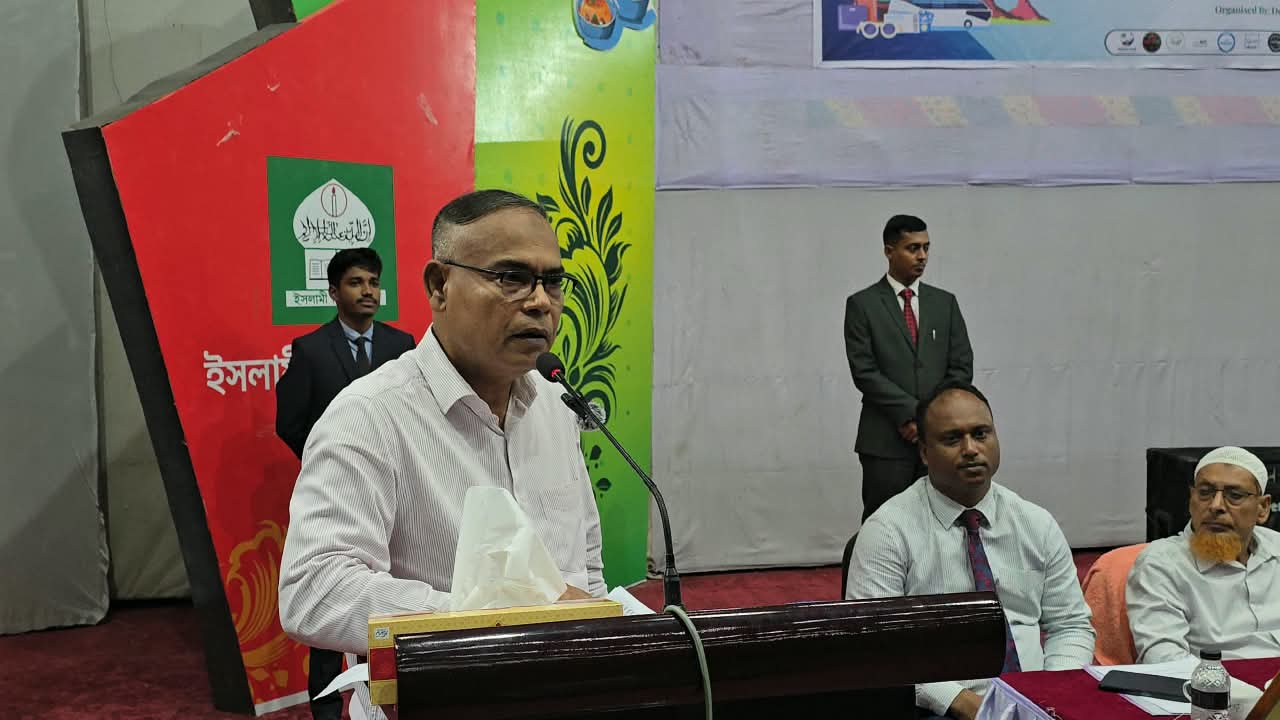
A seminar titled “Digital Agenda and Artificial Intelligence to Redesign Tourism” was held at Islamic University (IU) in Kushtia to mark World Tourism Day 2026. The seminar highlighted the effective use of digital technology and artificial intelligence (AI) to modernize the tourism sector, improve service quality and attract more tourists.
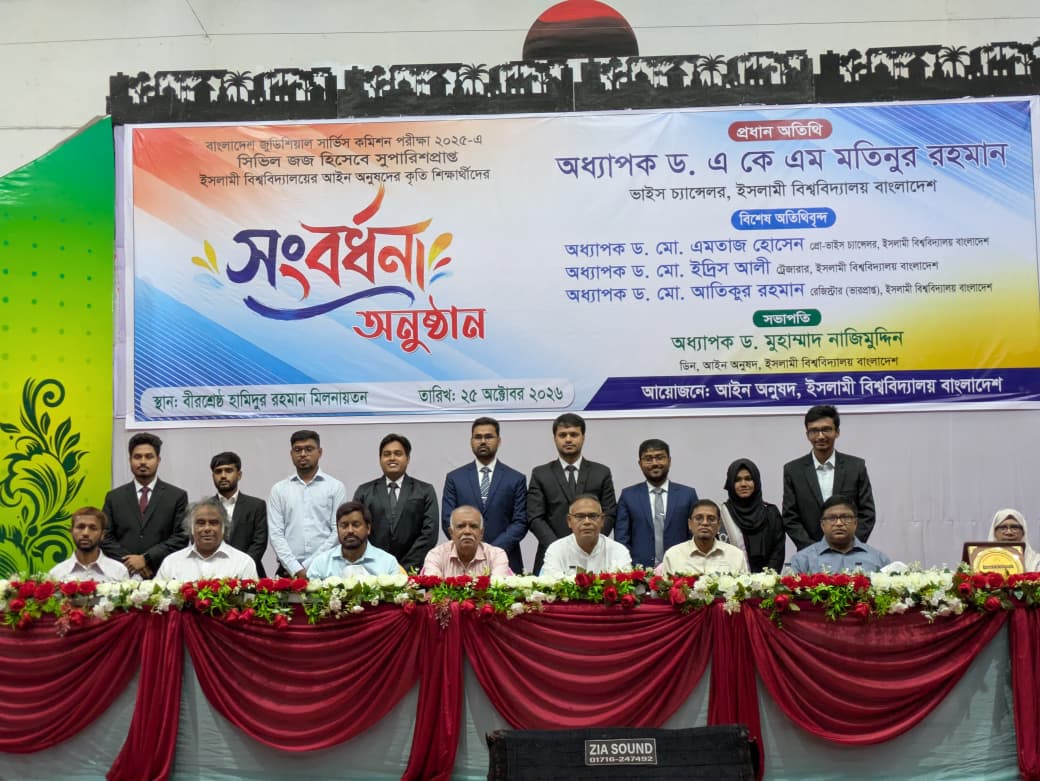
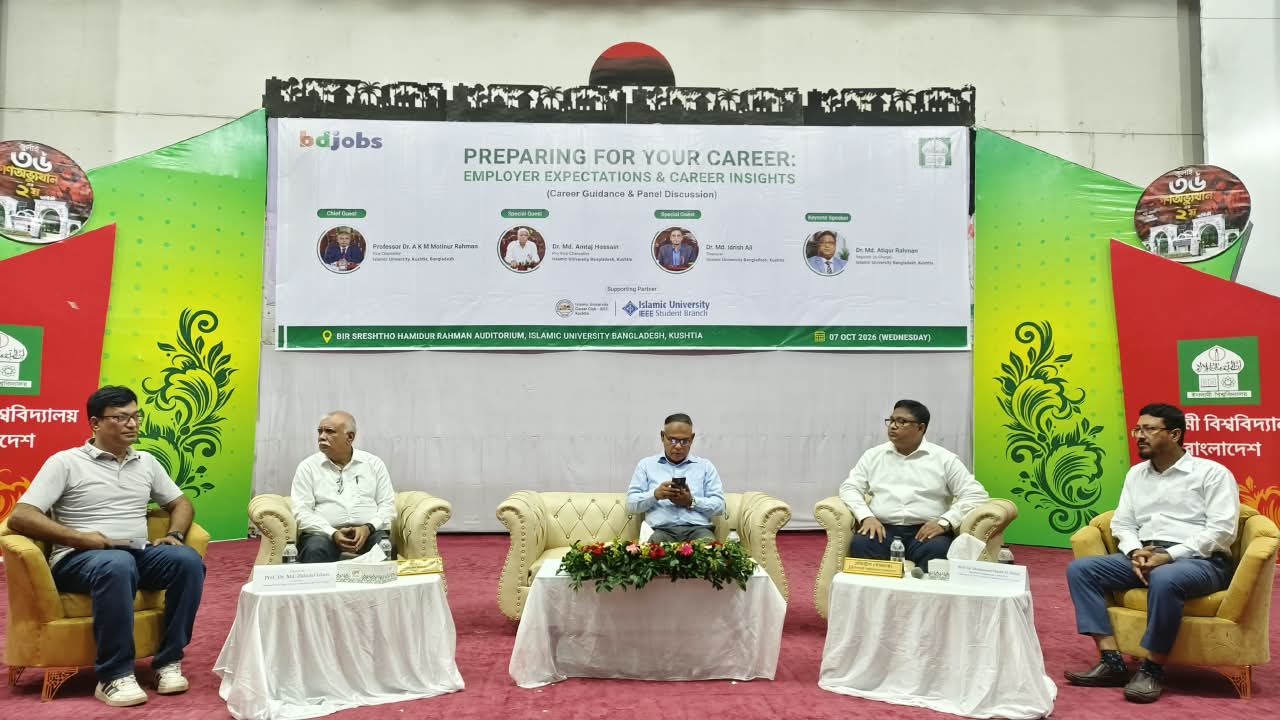
The seminar was organized by the Department of Tourism and Hospitality Management at the Birshreshtha Hamidur Rahman Auditorium on Saturday (October 10) at around 11:30 am.
The event was chaired by the department’s chairman, Md. Shariful Islam. IU Vice-Chancellor Professor Dr. A. K. M. Matinur Rahman attended as the chief guest. Special guests included Pro-Vice-Chancellor Professor Dr. Md. Emtaz Hossain, Treasurer Professor Dr. Md. Idris Ali, Acting Registrar Professor Dr. Md. Atikur Rahman and Dean of the Faculty of Business Administration Professor Dr. Muhammad Abdus Shahid Mia.
Other attendees included Bangladesh Tourism Board (BTB) Chief Executive Officer Barrister Mutasim Billah Faruqi; Group Managing Director of Rahimafrooz (Bangladesh) Ltd. Niaz Rahim; Tour Operators Association of Bangladesh (TOAB) Director Md. Mohiuddin Salim; Deputy Executive Director of Disha Tower Md. Robiul Islam; and Managing Director of GoingFly Immigration and Visa Consultancy Firm Md. Mostafizur Rahman.
Irfan Ahmed, chief executive officer of Arunima Resort Golf Club and executive director of the Bangladesh Integrated Rural Based Association (BIRBA), presented the keynote paper.
In his presentation, Irfan Ahmed said digital initiatives and AI were equally important for the development of tourism. The primary objective of a digital agenda is to achieve effective results in less time and with less effort through technology.
He said AI could play a significant role in selecting destinations based on tourists’ personal preferences, searching for information, planning trips, making bookings, translating languages and managing transportation. The technology could also improve service quality through hotel and resort management, tourist-demand forecasting, resource management, itinerary planning and data analysis. However, he stressed the importance of ensuring that AI-generated representations accurately reflect real experiences and the environment.
Pro-Vice-Chancellor Professor Dr. Md. Emtaz Hossain said Bangladesh’s tourism industry had enormous potential but was still largely viewed as a means of travel and recreation. Tourism, he noted, could be a significant driver of economic development and employment generation.
He said destinations such as Cox’s Bazar and the Sundarbans had natural beauty and cultural heritage, but lacked adequate facilities and effective management. Ensuring cleanliness and providing sufficient bathing and changing facilities at sea beaches were particularly important, he added.
He further said digital platforms and AI could increase the promotion of tourist destinations. However, promotional activities alone would not be enough; infrastructure and service quality at tourist sites also needed improvement. Public-private partnerships could help develop destinations, attract domestic and international tourists, and advance the country’s tourism industry.
Vice-Chancellor Professor Dr. A. K. M. Matinur Rahman said tourism was no longer merely a form of recreation. It had become an important sector for employment generation, entrepreneurship, foreign currency earnings and local economic development.
He said Bangladesh had considerable tourism potential because of its natural beauty, beaches, forests, hills, and historical and cultural heritage. However, shortcomings in infrastructure, management, service quality and security were preventing the country from fully utilizing that potential.
The vice-chancellor added that AI could play a vital role in digital marketing, data analysis, personalized travel planning and smart hospitality management. Developing the necessary skills, knowledge and infrastructure would be essential to using the technology effectively.
He also emphasized environmental conservation, responsible tourism, and respect for cultural and human values. Technology, he said, should be used for human welfare rather than as a substitute for human empathy and personal relationships.