Dhaka 2:55 pm, Monday, 9 November 2026

India’s Anger Grows Over Closer US-Pakistan Ties

India is now openly voicing concerns over growing tensions in its relationship with the United States. Recent remarks by Indian Foreign Minister S. Jaishankar have highlighted New Delhi’s concerns over terrorism from Pakistan, Washington’s growing engagement with Islamabad, and complications surrounding trade talks between India and the US.

Speaking at an Asia Society event in New York, Jaishankar said terrorism originating from a neighboring country remains one of India’s major concerns. He said the failure of partner countries to adequately understand India’s position and sensitivities on the issue could affect bilateral relations. He also pointed to the recent closer engagement between the United States and Pakistan.

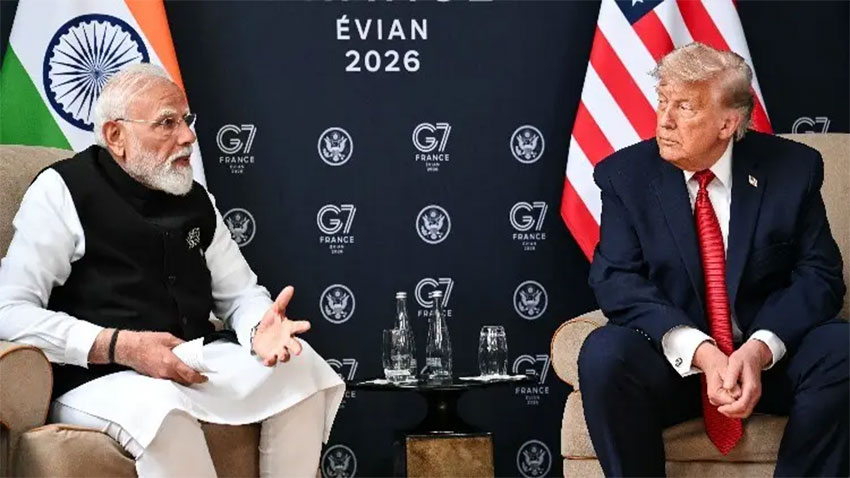
The Indian foreign minister’s remarks came at a time when Washington and New Delhi have differences over trade, tariffs, India’s purchases of energy from Russia, and US engagement with Pakistan. At the same time, the two countries continue efforts to advance their relationship. On September 30, US President Donald Trump and Indian Prime Minister Narendra Modi spoke by phone and discussed strengthening their bilateral strategic partnership.

Major differences over trade
Trade has emerged as one of the key areas of disagreement in India-US relations. The two countries are negotiating a trade agreement. Jaishankar said a broad understanding has emerged in the talks, but there is still uncertainty over when the agreement will be finalized. US tariff policies and the ongoing Section 301 process have also complicated the negotiations.

Pointing to major differences between India and the United States in terms of per-capita income, production systems and social structures, Jaishankar said negotiating a trade agreement between the two countries is not a simple process. Agriculture is also one of the key issues in the negotiations. India has long maintained various protections for its agricultural market to safeguard its farmers.

According to Jaishankar, the two sides have reached a degree of understanding on the trade agreement, but several obstacles remain until a final deal is signed. He said a completed agreement could help improve relations between the two countries.

Jaishankar also highlighted the impact of the wars in Iran and Ukraine on the global economy. He stressed that the basic needs of people in different countries should be taken into account when making international economic decisions.

Terrorism and Pakistan
Terrorism originating from Pakistan has long been one of India’s major security concerns. Jaishankar said few countries have faced the kind of terrorism India has experienced for decades from a neighboring country. He said a lack of adequate understanding of India’s concerns could also affect relations with partner countries.

Closer ties between the United States and Pakistan in recent months have further drawn attention in New Delhi to whether India’s security concerns are receiving sufficient consideration in Washington’s policies. Some Indian analysts say US policy toward Pakistan and Washington’s role following last year’s India-Pakistan conflict have affected the atmosphere of bilateral relations.

The United States, meanwhile, has repeatedly highlighted its role in helping reduce tensions between India and Pakistan. India has long opposed third-party mediation on bilateral issues, including Kashmir.

Domestic pressure also a factor
US immigration policy and the H-1B visa programme have also become important issues for India. Large numbers of Indian professionals work in the technology and other specialized sectors in the United States. Changes in fees and other requirements under the Trump administration have generated renewed concern in India.

Jaishankar said that the movement of workers across borders was once viewed primarily as an economic benefit. Now, he said, economic interests and politics are increasingly coming into conflict over the issue of migration.

Analyst Ajay Bisaria has said that various US policies are also increasing domestic political pressure in India. Chietigj Bajpaee, a senior researcher at Chatham House, and Harsh Pant of the Observer Research Foundation have also highlighted the influence of trade, security and immigration issues on recent tensions in India-US relations.

Scope for rebuilding ties
Despite their differences, India and the United States have maintained communication. During their September 30 phone call, Modi and Trump agreed to further strengthen the India-US strategic partnership. At the same time, Indian Commerce Minister Piyush Goyal is visiting the United States and holding discussions on an interim trade agreement.

According to Chatham House researcher Bajpaee, despite growing differences, both sides continue to seek ways to restore the relationship. He said a bilateral trade agreement could become an important factor in determining the future direction of ties.

The current India-US relationship involves several important issues, including trade, tariffs, terrorism, US engagement with Pakistan and immigration policy. At the same time, strategic and economic cooperation between the two countries continues, leaving the relationship shaped by both differences and areas of cooperation.

Sources: Al Jazeera, Reuters, The Indian Express

India’s Anger Grows Over Closer US-Pakistan Ties

Update Time: 05:29:33 pm, Thursday, 1 October 2026

India is now openly voicing concerns over growing tensions in its relationship with the United States. Recent remarks by Indian Foreign Minister S. Jaishankar have highlighted New Delhi’s concerns over terrorism from Pakistan, Washington’s growing engagement with Islamabad, and complications surrounding trade talks between India and the US.

Speaking at an Asia Society event in New York, Jaishankar said terrorism originating from a neighboring country remains one of India’s major concerns. He said the failure of partner countries to adequately understand India’s position and sensitivities on the issue could affect bilateral relations. He also pointed to the recent closer engagement between the United States and Pakistan.

The Indian foreign minister’s remarks came at a time when Washington and New Delhi have differences over trade, tariffs, India’s purchases of energy from Russia, and US engagement with Pakistan. At the same time, the two countries continue efforts to advance their relationship. On September 30, US President Donald Trump and Indian Prime Minister Narendra Modi spoke by phone and discussed strengthening their bilateral strategic partnership.

Major differences over trade
Trade has emerged as one of the key areas of disagreement in India-US relations. The two countries are negotiating a trade agreement. Jaishankar said a broad understanding has emerged in the talks, but there is still uncertainty over when the agreement will be finalized. US tariff policies and the ongoing Section 301 process have also complicated the negotiations.

Pointing to major differences between India and the United States in terms of per-capita income, production systems and social structures, Jaishankar said negotiating a trade agreement between the two countries is not a simple process. Agriculture is also one of the key issues in the negotiations. India has long maintained various protections for its agricultural market to safeguard its farmers.

According to Jaishankar, the two sides have reached a degree of understanding on the trade agreement, but several obstacles remain until a final deal is signed. He said a completed agreement could help improve relations between the two countries.

Jaishankar also highlighted the impact of the wars in Iran and Ukraine on the global economy. He stressed that the basic needs of people in different countries should be taken into account when making international economic decisions.

Terrorism and Pakistan
Terrorism originating from Pakistan has long been one of India’s major security concerns. Jaishankar said few countries have faced the kind of terrorism India has experienced for decades from a neighboring country. He said a lack of adequate understanding of India’s concerns could also affect relations with partner countries.

Closer ties between the United States and Pakistan in recent months have further drawn attention in New Delhi to whether India’s security concerns are receiving sufficient consideration in Washington’s policies. Some Indian analysts say US policy toward Pakistan and Washington’s role following last year’s India-Pakistan conflict have affected the atmosphere of bilateral relations.

The United States, meanwhile, has repeatedly highlighted its role in helping reduce tensions between India and Pakistan. India has long opposed third-party mediation on bilateral issues, including Kashmir.

Domestic pressure also a factor
US immigration policy and the H-1B visa programme have also become important issues for India. Large numbers of Indian professionals work in the technology and other specialized sectors in the United States. Changes in fees and other requirements under the Trump administration have generated renewed concern in India.

Jaishankar said that the movement of workers across borders was once viewed primarily as an economic benefit. Now, he said, economic interests and politics are increasingly coming into conflict over the issue of migration.

Analyst Ajay Bisaria has said that various US policies are also increasing domestic political pressure in India. Chietigj Bajpaee, a senior researcher at Chatham House, and Harsh Pant of the Observer Research Foundation have also highlighted the influence of trade, security and immigration issues on recent tensions in India-US relations.

Scope for rebuilding ties
Despite their differences, India and the United States have maintained communication. During their September 30 phone call, Modi and Trump agreed to further strengthen the India-US strategic partnership. At the same time, Indian Commerce Minister Piyush Goyal is visiting the United States and holding discussions on an interim trade agreement.

According to Chatham House researcher Bajpaee, despite growing differences, both sides continue to seek ways to restore the relationship. He said a bilateral trade agreement could become an important factor in determining the future direction of ties.

The current India-US relationship involves several important issues, including trade, tariffs, terrorism, US engagement with Pakistan and immigration policy. At the same time, strategic and economic cooperation between the two countries continues, leaving the relationship shaped by both differences and areas of cooperation.

Sources: Al Jazeera, Reuters, The Indian Express