Dhaka 3:33 pm, Monday, 9 November 2026

Bangladesh-India Relations: What Message Did the Speaker’s Remarks Convey?

Speaker Major (Retd.) Hafiz Uddin Ahmed.

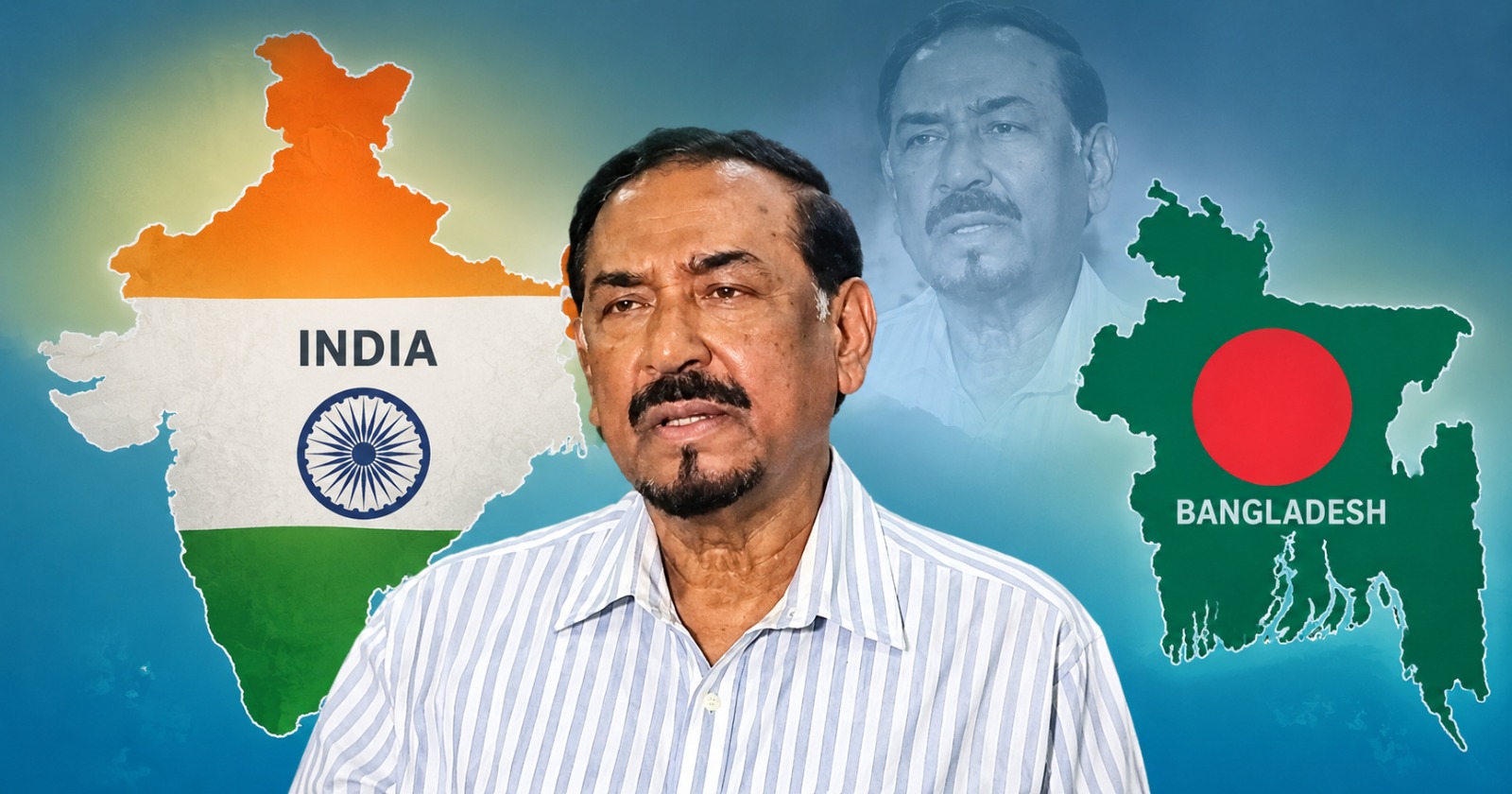
Recent remarks by National Parliament Speaker Major (Retd.) Hafiz Uddin Ahmed have sparked fresh discussion over Bangladesh-India relations. His comments indicate that Bangladesh wants to maintain relations with neighboring India, but on the basis of equal status, mutual respect and recognition of the sovereignty of both countries.

The Speaker made the remarks while responding to questions from journalists after a meeting with district administration officials at the Circuit House in Bhola on Monday (September 14). His comments covered not only the framework of bilateral relations but also former Prime Minister Sheikh Hasina’s stay in India, the BRICS summit and Bangladesh’s ongoing political reform process.

Why did the Speaker raise the “husband-wife relationship” analogy?

The analogy of a “husband-wife relationship” has previously been used in political discussions to describe Bangladesh-India ties. Rejecting the analogy this time, Speaker Hafiz Uddin Ahmed said Bangladesh does not want such a relationship.

According to his remarks, Bangladesh wants the kind of friendly relationship that should exist between two sovereign states on the basis of equal status. At the same time, he stressed the importance of maintaining good relations with India.

In other words, the central message of his remarks was that relations should continue, but they should be based on equality, mutual respect and the dignity of both states.

What is the concern over Sheikh Hasina’s stay in India?

Former Prime Minister Sheikh Hasina’s stay in India remains one of the issues discussed in the context of Dhaka-New Delhi relations. In his remarks, the Speaker said Bangladesh does not view India’s decision to provide shelter to the former prime minister, along with allowing political activities to be conducted from there, as neighborly behavior.

However, this should be presented as the Speaker’s statement and as a political position expressed from the Bangladeshi side; it should not be interpreted as an official position of the Indian government.

Does India want good relations with Bangladesh?

The Speaker’s remarks also raised questions about India’s initiatives to improve relations with Bangladesh. He said Bangladesh wants friendly relations with India, but according to his observation, there has so far been no significant visible initiative from the Indian side, while diplomatic-level discussions are continuing.

However, there is no indication that official communication between the two countries has come to a complete halt. Rather, bilateral contacts and invitations between the two sides have been publicly reported in recent months.

Where did questions arise over BRICS?

The BRICS summit was another significant issue mentioned by the Speaker. He alleged that Prime Minister Tarique Rahman had not been invited with due recognition as the Prime Minister of Bangladesh.

However, publicly available information shows that India invited Prime Minister Tarique Rahman to the outreach session of the 2026 BRICS summit. Bangladesh’s Foreign Ministry also confirmed in July that it had received the invitation from India. Later, the Indian side said the Prime Minister had been invited to attend the BRICS outreach session as well as separately for a bilateral visit.

Therefore, presenting the issue as “India did not invite him at all” would not be factually accurate. It would be more precise to describe the Speaker’s remarks as reflecting dissatisfaction over the nature of the invitation, the level of recognition and the manner of state representation.

What could the new framework of relations look like?

The framework emerging from the Speaker’s remarks can broadly be summarized in three words: equality, respect and reciprocity.

He did not reject the need for good relations between Bangladesh and India. Rather, his remarks emphasized conducting relations between the two independent and sovereign states on the basis of mutual interests and equal status.

From this perspective, the rejection of the “husband-wife relationship” analogy can be viewed primarily as a political message concerning the nature of Bangladesh-India diplomatic relations.

Not just India—the country’s domestic politics also featured

During his interaction with journalists in Bhola, the Speaker also spoke about reforms and the July Charter. He said the reform process was underway and that various changes to laws and regulations were necessary. However, he noted that differences among political parties over the implementation of the July Charter had created complications.

The Speaker emphasized the importance of political consensus. According to his remarks, if the major political parties reach an agreement, it could create a pathway for necessary legislative and constitutional changes to be brought before Parliament in a subsequent session.

A message of political stability

Political stability was also a recurring theme in the Speaker’s remarks. He stressed the importance of understanding and consensus among political parties in the national interest.

In this sense, just as he emphasized equality and reciprocity in Bangladesh-India relations, he also highlighted the need for dialogue, compromise and consensus in the country’s domestic politics.

What is the key message?

The Speaker’s remarks during his Bhola visit can broadly be viewed as conveying three separate messages.

First, Bangladesh wants to maintain relations with India, but those relations should be conducted between two sovereign states on the basis of equal status and mutual respect.

Second, the Speaker raised Bangladesh’s objections to Sheikh Hasina’s stay in India and the scope for conducting political activities from there.

Third, he considers political understanding and consensus important for implementing the country’s ongoing reform process.

Overall, there was no call in the Speaker’s remarks to sever relations between Bangladesh and India. Rather, his comments conveyed a clear political position on what the nature and foundation of those relations should be.

At the center of that position are equal status, mutual respect and sovereign equality.

Bangladesh-India Relations: What Message Did the Speaker’s Remarks Convey?

Update Time: 01:25:22 am, Thursday, 17 September 2026

Recent remarks by National Parliament Speaker Major (Retd.) Hafiz Uddin Ahmed have sparked fresh discussion over Bangladesh-India relations. His comments indicate that Bangladesh wants to maintain relations with neighboring India, but on the basis of equal status, mutual respect and recognition of the sovereignty of both countries.

The Speaker made the remarks while responding to questions from journalists after a meeting with district administration officials at the Circuit House in Bhola on Monday (September 14). His comments covered not only the framework of bilateral relations but also former Prime Minister Sheikh Hasina’s stay in India, the BRICS summit and Bangladesh’s ongoing political reform process.

Why did the Speaker raise the “husband-wife relationship” analogy?

The analogy of a “husband-wife relationship” has previously been used in political discussions to describe Bangladesh-India ties. Rejecting the analogy this time, Speaker Hafiz Uddin Ahmed said Bangladesh does not want such a relationship.

According to his remarks, Bangladesh wants the kind of friendly relationship that should exist between two sovereign states on the basis of equal status. At the same time, he stressed the importance of maintaining good relations with India.

In other words, the central message of his remarks was that relations should continue, but they should be based on equality, mutual respect and the dignity of both states.

What is the concern over Sheikh Hasina’s stay in India?

Former Prime Minister Sheikh Hasina’s stay in India remains one of the issues discussed in the context of Dhaka-New Delhi relations. In his remarks, the Speaker said Bangladesh does not view India’s decision to provide shelter to the former prime minister, along with allowing political activities to be conducted from there, as neighborly behavior.

However, this should be presented as the Speaker’s statement and as a political position expressed from the Bangladeshi side; it should not be interpreted as an official position of the Indian government.

Does India want good relations with Bangladesh?

The Speaker’s remarks also raised questions about India’s initiatives to improve relations with Bangladesh. He said Bangladesh wants friendly relations with India, but according to his observation, there has so far been no significant visible initiative from the Indian side, while diplomatic-level discussions are continuing.

However, there is no indication that official communication between the two countries has come to a complete halt. Rather, bilateral contacts and invitations between the two sides have been publicly reported in recent months.

Where did questions arise over BRICS?

The BRICS summit was another significant issue mentioned by the Speaker. He alleged that Prime Minister Tarique Rahman had not been invited with due recognition as the Prime Minister of Bangladesh.

However, publicly available information shows that India invited Prime Minister Tarique Rahman to the outreach session of the 2026 BRICS summit. Bangladesh’s Foreign Ministry also confirmed in July that it had received the invitation from India. Later, the Indian side said the Prime Minister had been invited to attend the BRICS outreach session as well as separately for a bilateral visit.

Therefore, presenting the issue as “India did not invite him at all” would not be factually accurate. It would be more precise to describe the Speaker’s remarks as reflecting dissatisfaction over the nature of the invitation, the level of recognition and the manner of state representation.

What could the new framework of relations look like?

The framework emerging from the Speaker’s remarks can broadly be summarized in three words: equality, respect and reciprocity.

He did not reject the need for good relations between Bangladesh and India. Rather, his remarks emphasized conducting relations between the two independent and sovereign states on the basis of mutual interests and equal status.

From this perspective, the rejection of the “husband-wife relationship” analogy can be viewed primarily as a political message concerning the nature of Bangladesh-India diplomatic relations.

Not just India—the country’s domestic politics also featured

During his interaction with journalists in Bhola, the Speaker also spoke about reforms and the July Charter. He said the reform process was underway and that various changes to laws and regulations were necessary. However, he noted that differences among political parties over the implementation of the July Charter had created complications.

The Speaker emphasized the importance of political consensus. According to his remarks, if the major political parties reach an agreement, it could create a pathway for necessary legislative and constitutional changes to be brought before Parliament in a subsequent session.

A message of political stability

Political stability was also a recurring theme in the Speaker’s remarks. He stressed the importance of understanding and consensus among political parties in the national interest.

In this sense, just as he emphasized equality and reciprocity in Bangladesh-India relations, he also highlighted the need for dialogue, compromise and consensus in the country’s domestic politics.

What is the key message?

The Speaker’s remarks during his Bhola visit can broadly be viewed as conveying three separate messages.

First, Bangladesh wants to maintain relations with India, but those relations should be conducted between two sovereign states on the basis of equal status and mutual respect.

Second, the Speaker raised Bangladesh’s objections to Sheikh Hasina’s stay in India and the scope for conducting political activities from there.

Third, he considers political understanding and consensus important for implementing the country’s ongoing reform process.

Overall, there was no call in the Speaker’s remarks to sever relations between Bangladesh and India. Rather, his comments conveyed a clear political position on what the nature and foundation of those relations should be.

At the center of that position are equal status, mutual respect and sovereign equality.