


Dhaka 2:56 pm, Monday, 9 November 2026

NPL Ratio Falls Nearly 3 Percentage Points in Nine Months

The ratio of non-performing loans (NPLs) in Bangladesh’s banking sector fell by nearly three percentage points over the past nine months amid banking-sector reforms and intensified efforts to recover loans.

According to Bangladesh Bank data, the NPL ratio declined from 35.73 percent in September 2025 to 32.78 percent in June 2026, a reduction of 2.95 percentage points.

However, the overall volume of non-performing loans remains high. At the end of June, classified loans stood at Tk 606,555 crore, accounting for 32.78 percent of total loans in the banking sector.

Banking-sector experts said the improvement in the NPL ratio has come amid efforts to identify long-hidden and previously concealed bad loans and clean up banks’ balance sheets.

As a result, while the decline in the NPL ratio has brought some relief, the actual condition of the banking sector has also become clearer than before.

Bangladesh Bank Executive Director and spokesperson Arif Hossain Khan told BSS that after August 5, 2024, the central bank placed greater emphasis on presenting an accurate picture of the banking sector.

As a result, the actual status of many loans that had previously been concealed or kept out of sight through rescheduling has come to light.

He said various measures had been taken to reduce bad loans, including a one-time exit policy and loan rescheduling for up to 15 years.

He expressed hope that the NPL ratio would decline further once the full impact of these measures becomes visible.

According to Bangladesh Bank data, classified loans stood at Tk 604,515 crore at the end of September 2025, accounting for 35.73 percent of total loans. By June this year, classified loans had increased slightly to Tk 606,555 crore, but their share of total loans had declined.

Distinguished Fellow of the Centre for Policy Dialogue (CPD), Professor Dr Mustafizur Rahman, said the NPL figures published during the Awami League government did not fully reflect the actual condition of the banking sector.

He said classified loans stood at around Tk 22,000 crore in 2008 but had risen to nearly Tk 200,000 crore in official figures by 2024.

However, a white paper estimated the actual volume of non-performing and distressed loans at around Tk 650,000 crore.

Welcoming the Bangladesh Bank’s reform initiatives, Professor Mustafizur said such reforms were essential to overcome the banking sector’s crisis and revive investment. He also stressed the need to increase domestic resource mobilisation and reduce bad loans.

Experts said the current downward trend in NPLs is encouraging, but it should not yet be considered a final success. The NPL ratio could initially rise as the process of identifying actual bad loans progresses. Ensuring transparency in banks’ accounts and disclosing their true financial position, they said, is the first condition for sustainable reform.

Abdul Kayum Chowdhury, Additional Managing Director of South Bangla Agriculture and Commerce Bank, said the process of cleaning up banks’ accounts could create some short-term pressure. However, it would help build a stronger and more stable banking system in the long run.

He stressed the importance of professional management, proper credit assessment and effective loan recovery mechanisms.

The central bank has also strengthened its reform framework for troubled banks. Experts believe that the introduction of expected credit loss (ECL) accounting under International Financial Reporting Standard 9 (IFRS 9) will improve the ability to identify potential credit risks at an early stage.

According to them, the focus should now go beyond simply reducing reported NPLs and address the structural causes of bad loans. Strengthening loan recovery, ensuring good governance, tightening credit assessments and taking effective legal action against wilful defaulters are essential.

Professor Mustafizur Rahman said the current government inherited a banking system burdened with large volumes of bad loans and weak public confidence. He said efforts must therefore focus on recovering defaulted and siphoned-off funds, ensuring effective enforcement of the law and keeping political influence out of bank management.

Experts said the decline in the NPL ratio over the past nine months represents a positive initial signal for banking-sector reforms. However, data for December 2026 will be important in assessing how sustainable the progress has been.

They said continued reforms, stronger loan recovery and improved governance could further reduce bad loans while helping restore depositors’ confidence and credit discipline in the banking sector.

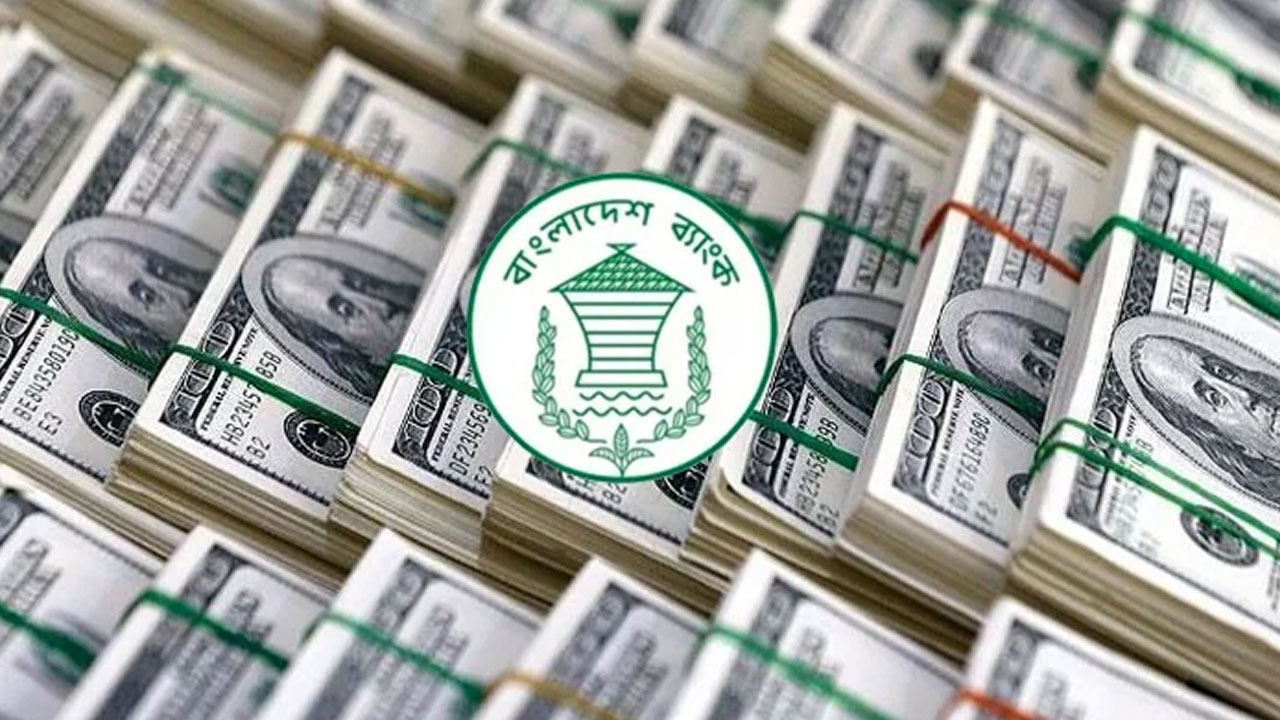
NPL Ratio Falls Nearly 3 Percentage Points in Nine Months

Update Time: 07:08:24 pm, Wednesday, 16 September 2026

The ratio of non-performing loans (NPLs) in Bangladesh’s banking sector fell by nearly three percentage points over the past nine months amid banking-sector reforms and intensified efforts to recover loans.

According to Bangladesh Bank data, the NPL ratio declined from 35.73 percent in September 2025 to 32.78 percent in June 2026, a reduction of 2.95 percentage points.

However, the overall volume of non-performing loans remains high. At the end of June, classified loans stood at Tk 606,555 crore, accounting for 32.78 percent of total loans in the banking sector.

Banking-sector experts said the improvement in the NPL ratio has come amid efforts to identify long-hidden and previously concealed bad loans and clean up banks’ balance sheets.

As a result, while the decline in the NPL ratio has brought some relief, the actual condition of the banking sector has also become clearer than before.

Bangladesh Bank Executive Director and spokesperson Arif Hossain Khan told BSS that after August 5, 2024, the central bank placed greater emphasis on presenting an accurate picture of the banking sector.

As a result, the actual status of many loans that had previously been concealed or kept out of sight through rescheduling has come to light.

He said various measures had been taken to reduce bad loans, including a one-time exit policy and loan rescheduling for up to 15 years.

He expressed hope that the NPL ratio would decline further once the full impact of these measures becomes visible.

According to Bangladesh Bank data, classified loans stood at Tk 604,515 crore at the end of September 2025, accounting for 35.73 percent of total loans. By June this year, classified loans had increased slightly to Tk 606,555 crore, but their share of total loans had declined.

Distinguished Fellow of the Centre for Policy Dialogue (CPD), Professor Dr Mustafizur Rahman, said the NPL figures published during the Awami League government did not fully reflect the actual condition of the banking sector.

He said classified loans stood at around Tk 22,000 crore in 2008 but had risen to nearly Tk 200,000 crore in official figures by 2024.

However, a white paper estimated the actual volume of non-performing and distressed loans at around Tk 650,000 crore.

Welcoming the Bangladesh Bank’s reform initiatives, Professor Mustafizur said such reforms were essential to overcome the banking sector’s crisis and revive investment. He also stressed the need to increase domestic resource mobilisation and reduce bad loans.

Experts said the current downward trend in NPLs is encouraging, but it should not yet be considered a final success. The NPL ratio could initially rise as the process of identifying actual bad loans progresses. Ensuring transparency in banks’ accounts and disclosing their true financial position, they said, is the first condition for sustainable reform.

Abdul Kayum Chowdhury, Additional Managing Director of South Bangla Agriculture and Commerce Bank, said the process of cleaning up banks’ accounts could create some short-term pressure. However, it would help build a stronger and more stable banking system in the long run.

He stressed the importance of professional management, proper credit assessment and effective loan recovery mechanisms.

The central bank has also strengthened its reform framework for troubled banks. Experts believe that the introduction of expected credit loss (ECL) accounting under International Financial Reporting Standard 9 (IFRS 9) will improve the ability to identify potential credit risks at an early stage.

According to them, the focus should now go beyond simply reducing reported NPLs and address the structural causes of bad loans. Strengthening loan recovery, ensuring good governance, tightening credit assessments and taking effective legal action against wilful defaulters are essential.

Professor Mustafizur Rahman said the current government inherited a banking system burdened with large volumes of bad loans and weak public confidence. He said efforts must therefore focus on recovering defaulted and siphoned-off funds, ensuring effective enforcement of the law and keeping political influence out of bank management.

Experts said the decline in the NPL ratio over the past nine months represents a positive initial signal for banking-sector reforms. However, data for December 2026 will be important in assessing how sustainable the progress has been.

They said continued reforms, stronger loan recovery and improved governance could further reduce bad loans while helping restore depositors’ confidence and credit discipline in the banking sector.