
 Staff Correspondent
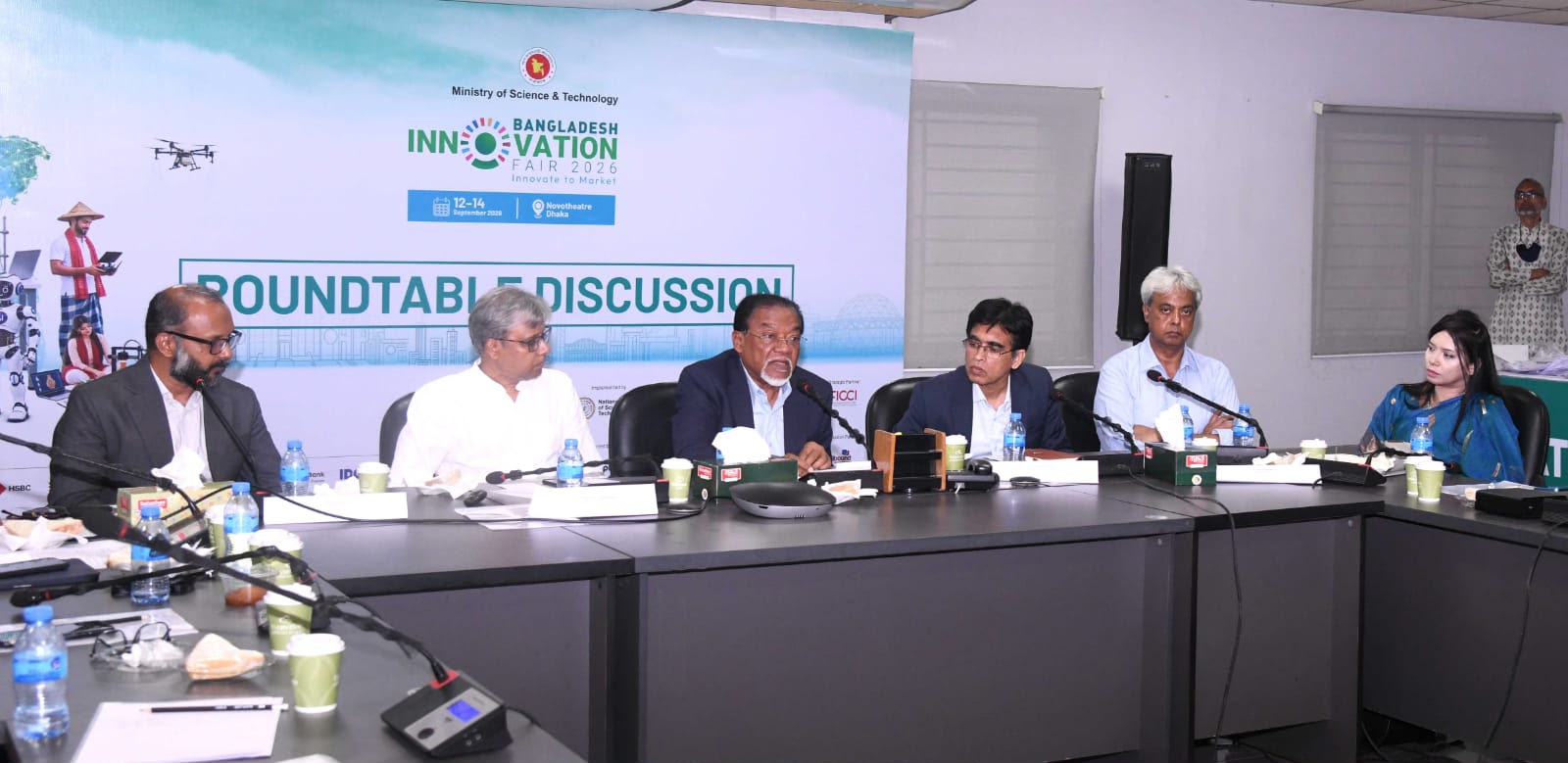
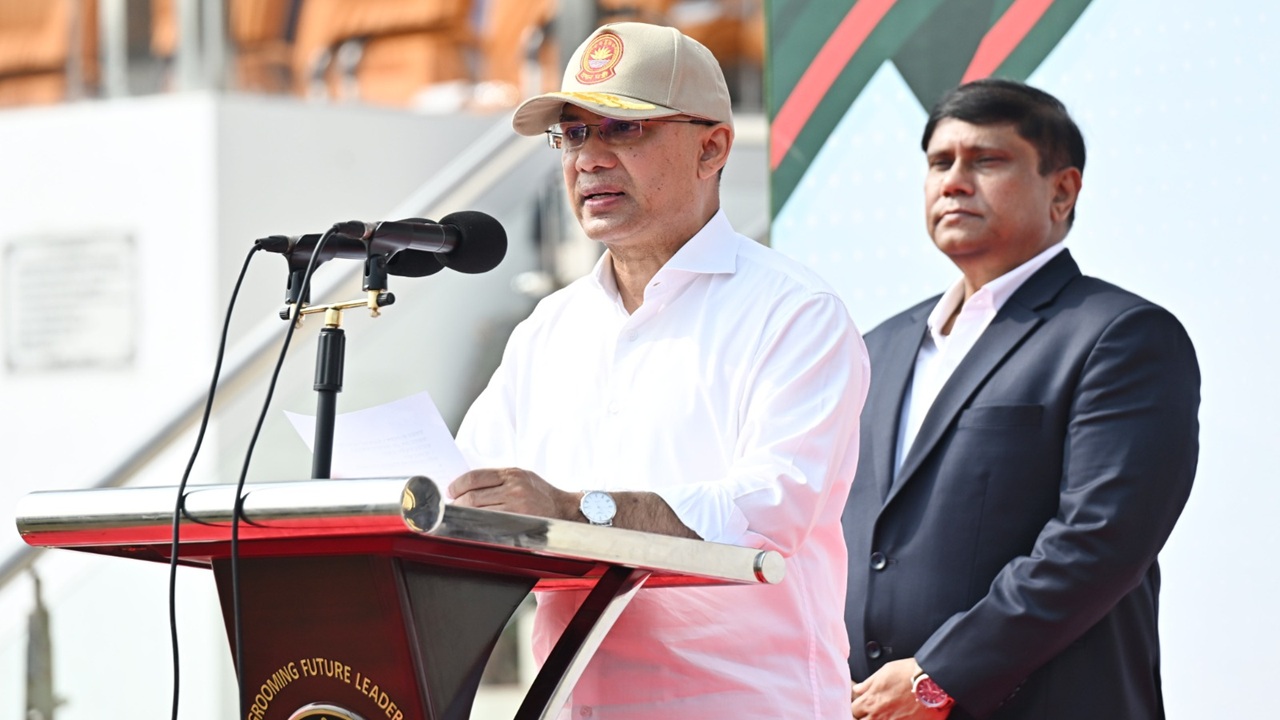
Artificial intelligence (AI) is transforming the way products are designed, services are delivered and businesses compete. Therefore, AI should not be viewed merely as a technology but as a strategic program to enhance Bangladesh’s productivity and competitiveness, said BNP National Standing Committee member and Prime Minister’s Adviser on Public Administration (ministerial rank) Md Ismail Jabiyullah.
He said AI must be citizen-centric, with human welfare as its ultimate goal.
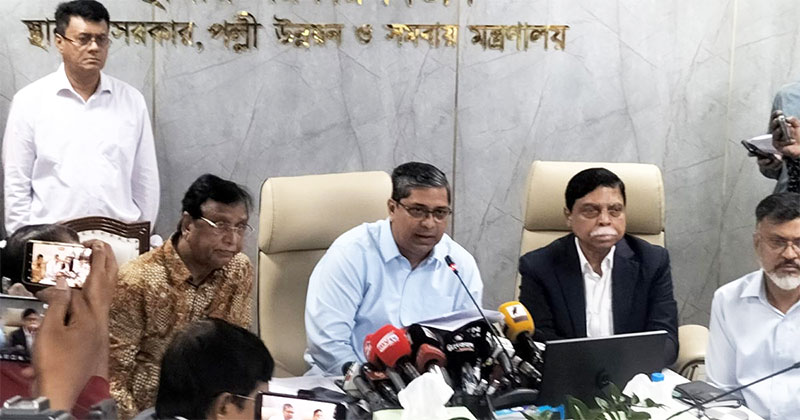
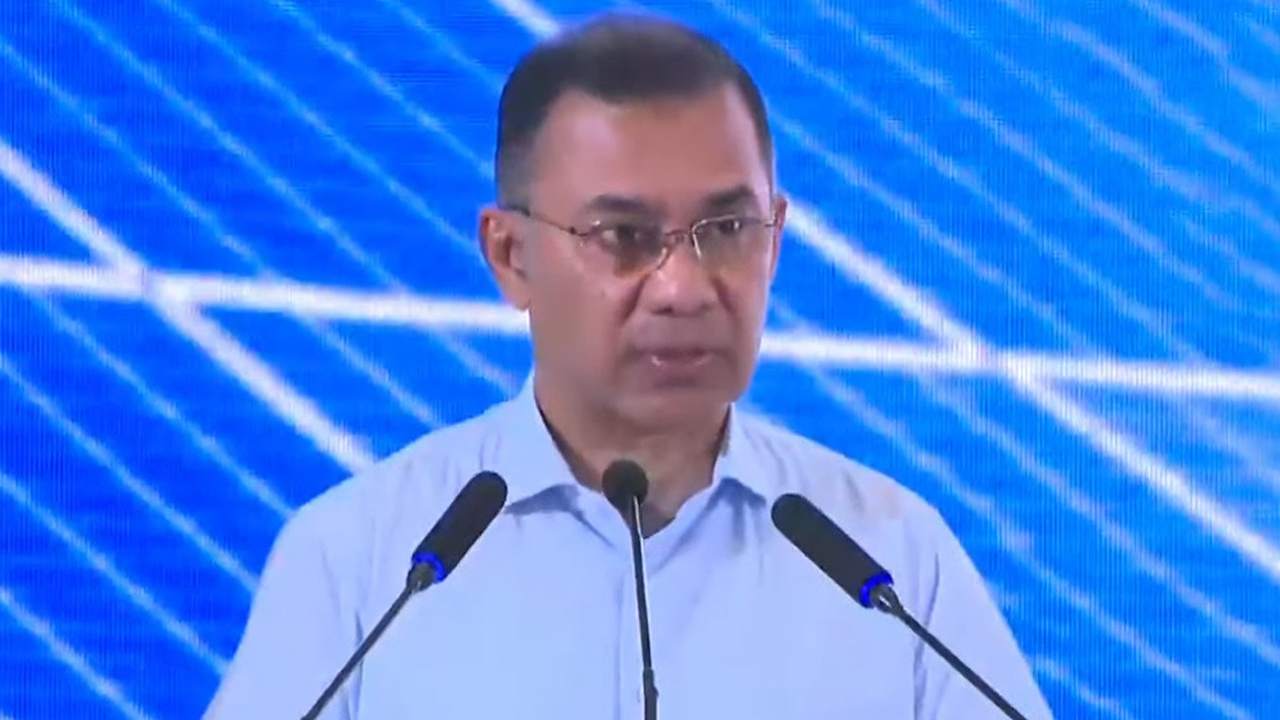
He made the remarks on Sunday at a roundtable titled “AI for Bangladesh’s Next Growth Phase: Productivity, Governance and Readiness,” organized by the Ministry of Science and Technology at Novo Theatre in Dhaka as part of the Bangladesh Innovation Fair-2026.
The adviser said countries that can generate tangible economic benefits through AI will lead in the future. Bangladesh has significant opportunities to apply AI in the readymade garment and manufacturing sectors, agriculture, supply chains, financial services, healthcare, education and public administration.
He said Bangladesh must increase AI adoption in these sectors to improve productivity and efficiency while also increasing AI’s contribution to GDP.
“Bangladeshis are talented, but talent alone cannot build national capacity,” he said. “Talent must be transformed into research, research into innovation, innovation into entrepreneurship, and entrepreneurship into employment and exports.”
Emphasizing the need for an effective platform, Jabiyullah said the government would identify problems, universities and researchers would develop solutions, entrepreneurs would commercialize them, industries would test them in practice, and investors would help scale up successful ventures.
He also stressed that greater use of AI brings greater responsibility. Data privacy, cybersecurity, data classification, computing capacity and electricity supply are crucial, he said, adding that Bangladesh’s AI strategy cannot be separated from local realities, data systems and skills-development strategies.
Referring to Israel’s experience, he said more than 2,150 AI-based companies have been established there. The lesson, he said, is that even a small country can create technological influence far beyond its size by integrating talent, research, innovation, capital, universities and entrepreneurial activities.
At the roundtable, speakers cited the AI-powered cameras used by the Dhaka Metropolitan Police and stressed the need to ensure the safe use of artificial intelligence in Bangladesh. They called for prioritizing cybersecurity in the national AI policy, rapidly incorporating AI into school, college and university curricula, and taking active government initiatives to effectively involve private entrepreneurs in implementing the AI policy.
ICT Division Secretary Md Mamunur Rashid Bhuiyan, speaking as a special guest, said the government wants to use AI for human welfare and develop AI-based solutions for people. Researchers, academia, the private sector and users will work together in this regard, he said. He also said the formulation of an artificial intelligence policy is underway.
Science and Technology Ministry Secretary Md Anwar Hossain said the ministry is working to bring eminent scientists, researchers and innovators, AI researchers, startup entrepreneurs, investors and development partners, representatives of industry and business, and teachers and researchers from local and foreign universities onto a common platform.
The three-day Bangladesh Innovation Fair-2026 is being held under the theme “Innovate to Market.” Organized by the Ministry of Science and Technology, the fair focuses on building sustainable partnerships between local innovators and innovative institutions and policymakers, entrepreneurs, investors, educational and financial institutions, and development partners.
The event was moderated by BUET Professor and UNESCO Chair on Industry Integration in Higher Education Systems Dr Muhammad Anisuzzaman Talukder. Senior government officials, scientists, researchers, innovators, AI researchers, startup entrepreneurs, investors, development partners, industry and business representatives, university teachers and researchers, academics, financial institution representatives, and young entrepreneurs and innovators attended the event.