Dhaka 3:39 pm, Monday, 9 November 2026

Bangla and English Medium Curricula to Be Harmonised: Bobby Hajjaj

Necessary harmonisation will be introduced between the curricula of Bangla- and English-medium education to bring Bangladesh’s education system up to global standards, said State Minister for Primary and Mass Education Bobby Hajjaj.

He said it is essential to ensure a common minimum standard of basic knowledge, skills and learning for students, regardless of the medium in which they study.

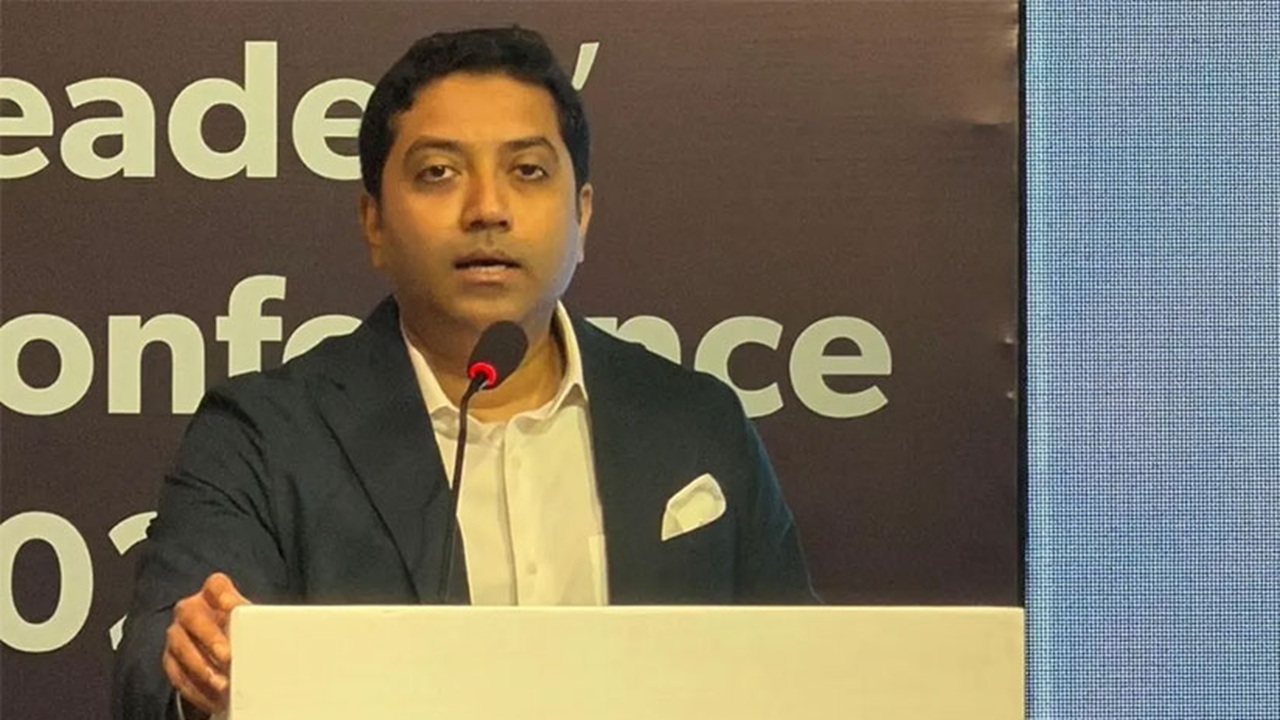
He made the remarks while speaking as the chief guest at the ‘School Leaders Conference 2026’, organised by OxfordAQA International Qualifications at a hotel in Dhaka on Saturday (September 12).

Bobby Hajjaj said the government’s goal is not merely to follow the world’s best educational practices. Rather, its vision is for Bangladesh to become a country whose best educational practices are adopted by other countries around the world. The government is prepared to invest the necessary time, resources and hard work to achieve this goal.

He said whether a student studies in an English-medium, Bangla-medium or any other education stream, there should be a common standard for basic knowledge and skills. There will naturally be differences between better and less-performing institutions, but there should not be major disparities in the fundamental quality of curricula and education.

Highlighting the need for urgent reforms in the fundamentals of primary education, the state minister said clear minimum standards must be established for school hours and effective learning hours, the number of students relative to classroom size, necessary infrastructure and trained teachers. No teacher should be assigned classroom responsibilities without proper training, he added.

Emphasising technology and modern teaching methods, he said future primary education would place greater emphasis on activity-based learning and learning through play. At the same time, the government wants to learn from the existing experience of English-medium schools and the effective use of Learning Management Systems (LMS).

Stressing the importance of consulting all stakeholders in developing a new curriculum, Bobby Hajjaj said the government does not want anyone to say that they were not consulted during the curriculum development process. He said the government wants to move forward by taking into account the experiences and opinions of all concerned.

He said the government is working to bring all educational institutions to a more equitable footing through coordinated initiatives in four areas—curriculum, infrastructure, teacher training and technology.

The event was chaired by Shaheen Reza, Country Director of OxfordAQA for Bangladesh and Nepal. Professor Dr Abdullah Al Mamun, a member of the University Grants Commission (UGC), attended as a special guest. Representatives of the British High Commission and British Council, along with principals of various English-medium educational institutions in Dhaka, were also present.


Bangla and English Medium Curricula to Be Harmonised: Bobby Hajjaj

Update Time: 02:00:15 pm, Saturday, 12 September 2026

Necessary harmonisation will be introduced between the curricula of Bangla- and English-medium education to bring Bangladesh’s education system up to global standards, said State Minister for Primary and Mass Education Bobby Hajjaj.

He said it is essential to ensure a common minimum standard of basic knowledge, skills and learning for students, regardless of the medium in which they study.

He made the remarks while speaking as the chief guest at the ‘School Leaders Conference 2026’, organised by OxfordAQA International Qualifications at a hotel in Dhaka on Saturday (September 12).

Bobby Hajjaj said the government’s goal is not merely to follow the world’s best educational practices. Rather, its vision is for Bangladesh to become a country whose best educational practices are adopted by other countries around the world. The government is prepared to invest the necessary time, resources and hard work to achieve this goal.

He said whether a student studies in an English-medium, Bangla-medium or any other education stream, there should be a common standard for basic knowledge and skills. There will naturally be differences between better and less-performing institutions, but there should not be major disparities in the fundamental quality of curricula and education.

Highlighting the need for urgent reforms in the fundamentals of primary education, the state minister said clear minimum standards must be established for school hours and effective learning hours, the number of students relative to classroom size, necessary infrastructure and trained teachers. No teacher should be assigned classroom responsibilities without proper training, he added.

Emphasising technology and modern teaching methods, he said future primary education would place greater emphasis on activity-based learning and learning through play. At the same time, the government wants to learn from the existing experience of English-medium schools and the effective use of Learning Management Systems (LMS).

Stressing the importance of consulting all stakeholders in developing a new curriculum, Bobby Hajjaj said the government does not want anyone to say that they were not consulted during the curriculum development process. He said the government wants to move forward by taking into account the experiences and opinions of all concerned.

He said the government is working to bring all educational institutions to a more equitable footing through coordinated initiatives in four areas—curriculum, infrastructure, teacher training and technology.

The event was chaired by Shaheen Reza, Country Director of OxfordAQA for Bangladesh and Nepal. Professor Dr Abdullah Al Mamun, a member of the University Grants Commission (UGC), attended as a special guest. Representatives of the British High Commission and British Council, along with principals of various English-medium educational institutions in Dhaka, were also present.