

Dhaka 2:47 pm, Monday, 9 November 2026

Rohingyas Long to Leave Refugee Life and Return Home

Nine years have passed since a massive influx of Rohingyas fled to Bangladesh amid military persecution and genocide in Myanmar’s Rakhine State. On Tuesday, Rohingyas observed ‘Rohingya Genocide Day’ at various camps in Ukhiya and Teknaf to commemorate the horrific events of August 25, 2017.

Describing the day as a ‘Black Day’, they demanded justice for the genocide, restoration of their citizenship rights, and safe, voluntary and dignified repatriation to Myanmar.

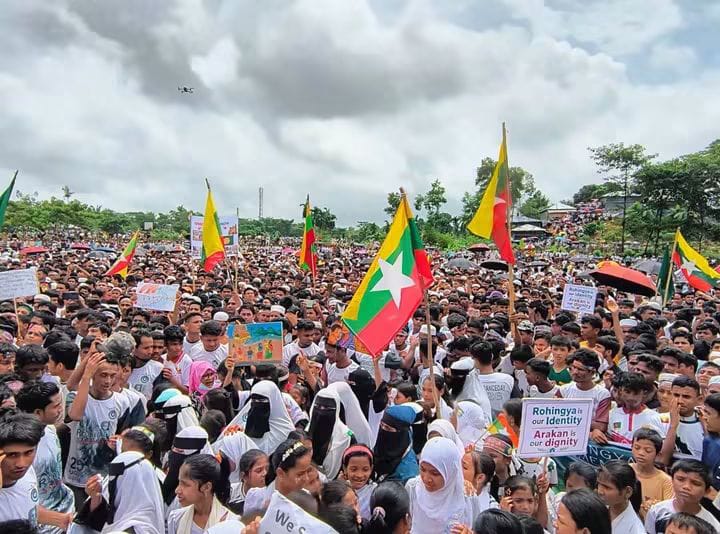
From early morning, Rohingyas gathered at the Shalbangan camp in Teknaf carrying banners, festoons and placards with slogans including, “We want to leave refugee life and return to Myanmar.” Separate rallies were also held at several camps in Ukhiya. A large number of Rohingyas, including women and children, participated in the programmes, expressing their desire to return safely to their homeland.

A rally organized by the United Council of Rohingya (UCR) began at 9am at the Shalbangan camp field. At the beginning of the programme, Rohingya cleric Mohammad Yusuf performed a tarana in his native language, highlighting the persecution of Rohingyas in Rakhine and calling on the international community to take immediate steps for repatriation.

Speaking at the rally, UCR member and Rohingya leader Abu Taher said Rohingyas have their own history and heritage in Myanmar. He called on those who describe Rohingyas as ‘Bengalis’ to provide documentary evidence supporting the claim.

He said, “We have historical and documented evidence that we are Rohingyas. Myanmar must also prove its claim denying the identity of Rohingyas.”

Abu Taher also spoke about the community’s prolonged wait for repatriation. He said that even after nine years, Rohingyas have yet to see an effective pathway to return home. He warned that the situation could become more difficult if safe and dignified repatriation cannot be achieved through negotiations. At one point, he said, “If returning through negotiations is not possible, we are prepared to take up arms.”

Rohingya leader Badrul Islam of Teknaf said, “August 25 is not a day of happiness for us, but a day of unrest. On this day in 2017, genocide and persecution were carried out against the Rohingyas in Rakhine. Hundreds of thousands of people were driven from their homes and forced out of the country. We want justice for that genocide.”

Expressing gratitude to Bangladesh for providing shelter, Leda camp chairman Mohammad Alam said, “We are guests of this country. But it has been a long time. Now we should return to our homeland. We want to return to Myanmar. If we go to another country, it will be difficult to preserve the existence of the Rohingyas. Therefore, we seek the support of the international community for safe and dignified repatriation.”

Mohammad Zubair, acting chairman of the Arakan Rohingya Society for Peace and Humanity in Ukhiya, said, “We want to build a safe country for the next generation. Nine years of refugee life have passed in Bangladesh. We want freedom from this floating life. We want to return to our own country in a safe environment.”

‘Safe Repatriation Is the Only Solution’
Mozammel Haque, president of the Teknaf Rohingya Resistance Committee, said Rohingyas have been living in Bangladesh under humanitarian shelter for years. He stressed the need to increase international pressure on Myanmar to create conditions for their return.

He said no Rohingya should be forcibly sent back until safe and dignified repatriation is guaranteed. If the crisis continues, its impact will extend beyond the camps to local communities and the entire border region. An effective repatriation initiative is therefore urgently needed.

Concerns Over Border Security
Rubayet Hossain, a representative of the Safe Border Movement, said people living in Cox’s Bazar’s border areas have been facing various pressures and security risks for years because of the Rohingya crisis.

He called for effective action against human trafficking, drugs, abductions and other criminal activities along the border.

He said protecting the humanitarian rights of Rohingyas is essential, but the security of Bangladesh’s border and local communities must also be ensured. A permanent solution to the crisis, he said, requires safe and dignified repatriation.

No Effective Repatriation in Nine Years
More than seven lakh Rohingyas crossed the border and sought refuge in Bangladesh within weeks of August 25, 2017. Including those who arrived during earlier periods, the number of Rohingyas currently taking shelter in Bangladesh has exceeded 1.2 million.

For nine years, Rohingyas have been living in uncertainty across 33 camps in Ukhiya and Teknaf. Some carry memories of losing loved ones, while others dream of returning to homes that were burned and destroyed. Every year on August 25, demands for repatriation grow louder across the camps. Yet the path to return has still not opened.

Bangladesh and Myanmar have held several rounds of discussions on repatriation. Initiatives were taken in 2018 and 2019, but they could not be implemented due to Rohingya mistrust and the situation in Myanmar. Political instability in Myanmar and the ongoing conflict in Rakhine State have further complicated the repatriation process.

Pressure on Bangladesh Growing
The prolonged presence of Rohingyas continues to increase humanitarian, economic and security pressures on Bangladesh. Their long-term stay in the camps has created sustained challenges in food, education, healthcare, security and employment. The declining flow of international aid has made the situation even more difficult.

According to UNHCR data, as of June 30, 2026, Bangladesh was hosting 1,200,171 Rohingya refugees. Of them, 1,166,352 were in Cox’s Bazar and 33,819 were living on Bhasan Char in Noakhali.

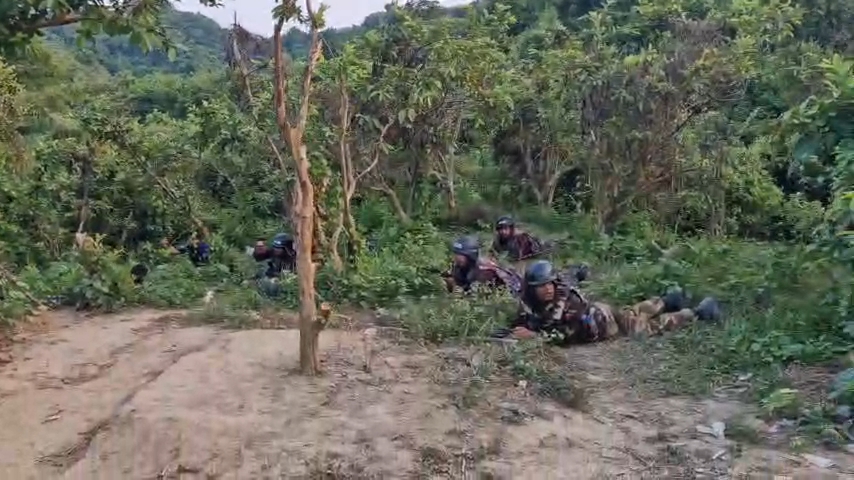
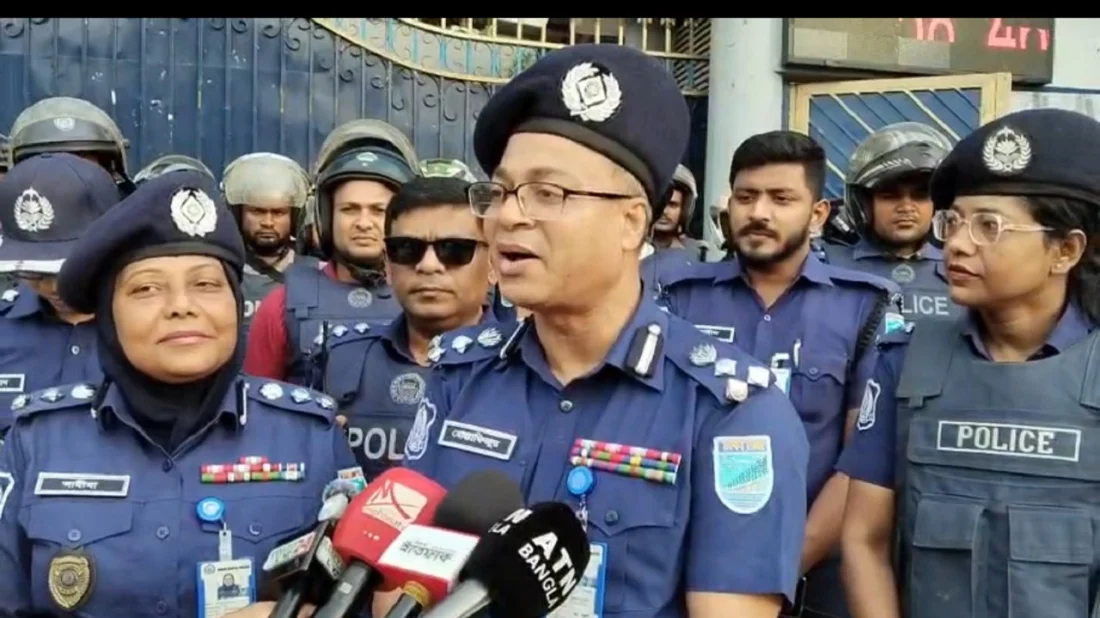
Meanwhile, the Armed Police Battalion (APBn) strengthened security at Rohingya camps in Ukhiya and Teknaf to prevent any untoward incidents surrounding the Genocide Day programmes.

Muhammad Kawsar Sikder, additional DIG of the 16-Armed Police Battalion, said Rohingyas peacefully observed Genocide Day programmes at several camps under his jurisdiction. During the gatherings, they demanded an end to refugee life, restoration of citizenship rights and dignified repatriation.

Many Rohingyas who arrived in Bangladesh as children or teenagers nine years ago have now grown into adults in the camp environment. A significant portion of the new generation has also been born in the refugee camps. As a result, the wait to return home is no longer merely a family issue—it has become a question concerning the future of an entire generation.

Rohingyas say they remain grateful for Bangladesh’s hospitality but do not want to spend the rest of their lives as refugees. They want to return safely to Myanmar with their identity and rights protected.

After nine years, the same questions continue to echo: When will the long wait for the end of refugee life finally be over? When will safe and dignified repatriation actually begin?

The slogan heard across the camps—“We want to leave refugee life and return home”—has become a reflection of nine years of waiting, suffering and a deep longing to return to their homeland.

Rohingyas Long to Leave Refugee Life and Return Home

Update Time: 05:54:36 pm, Tuesday, 25 August 2026

Nine years have passed since a massive influx of Rohingyas fled to Bangladesh amid military persecution and genocide in Myanmar’s Rakhine State. On Tuesday, Rohingyas observed ‘Rohingya Genocide Day’ at various camps in Ukhiya and Teknaf to commemorate the horrific events of August 25, 2017.

Describing the day as a ‘Black Day’, they demanded justice for the genocide, restoration of their citizenship rights, and safe, voluntary and dignified repatriation to Myanmar.

From early morning, Rohingyas gathered at the Shalbangan camp in Teknaf carrying banners, festoons and placards with slogans including, “We want to leave refugee life and return to Myanmar.” Separate rallies were also held at several camps in Ukhiya. A large number of Rohingyas, including women and children, participated in the programmes, expressing their desire to return safely to their homeland.
A rally organized by the United Council of Rohingya (UCR) began at 9am at the Shalbangan camp field. At the beginning of the programme, Rohingya cleric Mohammad Yusuf performed a tarana in his native language, highlighting the persecution of Rohingyas in Rakhine and calling on the international community to take immediate steps for repatriation.

Speaking at the rally, UCR member and Rohingya leader Abu Taher said Rohingyas have their own history and heritage in Myanmar. He called on those who describe Rohingyas as ‘Bengalis’ to provide documentary evidence supporting the claim.

He said, “We have historical and documented evidence that we are Rohingyas. Myanmar must also prove its claim denying the identity of Rohingyas.”

Abu Taher also spoke about the community’s prolonged wait for repatriation. He said that even after nine years, Rohingyas have yet to see an effective pathway to return home. He warned that the situation could become more difficult if safe and dignified repatriation cannot be achieved through negotiations. At one point, he said, “If returning through negotiations is not possible, we are prepared to take up arms.”

Rohingya leader Badrul Islam of Teknaf said, “August 25 is not a day of happiness for us, but a day of unrest. On this day in 2017, genocide and persecution were carried out against the Rohingyas in Rakhine. Hundreds of thousands of people were driven from their homes and forced out of the country. We want justice for that genocide.”

Expressing gratitude to Bangladesh for providing shelter, Leda camp chairman Mohammad Alam said, “We are guests of this country. But it has been a long time. Now we should return to our homeland. We want to return to Myanmar. If we go to another country, it will be difficult to preserve the existence of the Rohingyas. Therefore, we seek the support of the international community for safe and dignified repatriation.”

Mohammad Zubair, acting chairman of the Arakan Rohingya Society for Peace and Humanity in Ukhiya, said, “We want to build a safe country for the next generation. Nine years of refugee life have passed in Bangladesh. We want freedom from this floating life. We want to return to our own country in a safe environment.”

‘Safe Repatriation Is the Only Solution’
Mozammel Haque, president of the Teknaf Rohingya Resistance Committee, said Rohingyas have been living in Bangladesh under humanitarian shelter for years. He stressed the need to increase international pressure on Myanmar to create conditions for their return.

He said no Rohingya should be forcibly sent back until safe and dignified repatriation is guaranteed. If the crisis continues, its impact will extend beyond the camps to local communities and the entire border region. An effective repatriation initiative is therefore urgently needed.

Concerns Over Border Security
Rubayet Hossain, a representative of the Safe Border Movement, said people living in Cox’s Bazar’s border areas have been facing various pressures and security risks for years because of the Rohingya crisis.

He called for effective action against human trafficking, drugs, abductions and other criminal activities along the border.

He said protecting the humanitarian rights of Rohingyas is essential, but the security of Bangladesh’s border and local communities must also be ensured. A permanent solution to the crisis, he said, requires safe and dignified repatriation.

No Effective Repatriation in Nine Years
More than seven lakh Rohingyas crossed the border and sought refuge in Bangladesh within weeks of August 25, 2017. Including those who arrived during earlier periods, the number of Rohingyas currently taking shelter in Bangladesh has exceeded 1.2 million.

For nine years, Rohingyas have been living in uncertainty across 33 camps in Ukhiya and Teknaf. Some carry memories of losing loved ones, while others dream of returning to homes that were burned and destroyed. Every year on August 25, demands for repatriation grow louder across the camps. Yet the path to return has still not opened.

Bangladesh and Myanmar have held several rounds of discussions on repatriation. Initiatives were taken in 2018 and 2019, but they could not be implemented due to Rohingya mistrust and the situation in Myanmar. Political instability in Myanmar and the ongoing conflict in Rakhine State have further complicated the repatriation process.

Pressure on Bangladesh Growing
The prolonged presence of Rohingyas continues to increase humanitarian, economic and security pressures on Bangladesh. Their long-term stay in the camps has created sustained challenges in food, education, healthcare, security and employment. The declining flow of international aid has made the situation even more difficult.

According to UNHCR data, as of June 30, 2026, Bangladesh was hosting 1,200,171 Rohingya refugees. Of them, 1,166,352 were in Cox’s Bazar and 33,819 were living on Bhasan Char in Noakhali.

Meanwhile, the Armed Police Battalion (APBn) strengthened security at Rohingya camps in Ukhiya and Teknaf to prevent any untoward incidents surrounding the Genocide Day programmes.

Muhammad Kawsar Sikder, additional DIG of the 16-Armed Police Battalion, said Rohingyas peacefully observed Genocide Day programmes at several camps under his jurisdiction. During the gatherings, they demanded an end to refugee life, restoration of citizenship rights and dignified repatriation.

Many Rohingyas who arrived in Bangladesh as children or teenagers nine years ago have now grown into adults in the camp environment. A significant portion of the new generation has also been born in the refugee camps. As a result, the wait to return home is no longer merely a family issue—it has become a question concerning the future of an entire generation.

Rohingyas say they remain grateful for Bangladesh’s hospitality but do not want to spend the rest of their lives as refugees. They want to return safely to Myanmar with their identity and rights protected.

After nine years, the same questions continue to echo: When will the long wait for the end of refugee life finally be over? When will safe and dignified repatriation actually begin?

The slogan heard across the camps—“We want to leave refugee life and return home”—has become a reflection of nine years of waiting, suffering and a deep longing to return to their homeland.