Dhaka 3:25 pm, Monday, 9 November 2026

AI to Make Government More Efficient, Citizen Services Easier: Public Administration Adviser

The government will become more efficient through the use of artificial intelligence (AI), while citizen services will become easier and more accessible, said Public Administration Adviser to the Prime Minister Mohammad Ismail Jabiullah, a member of the BNP National Standing Committee.

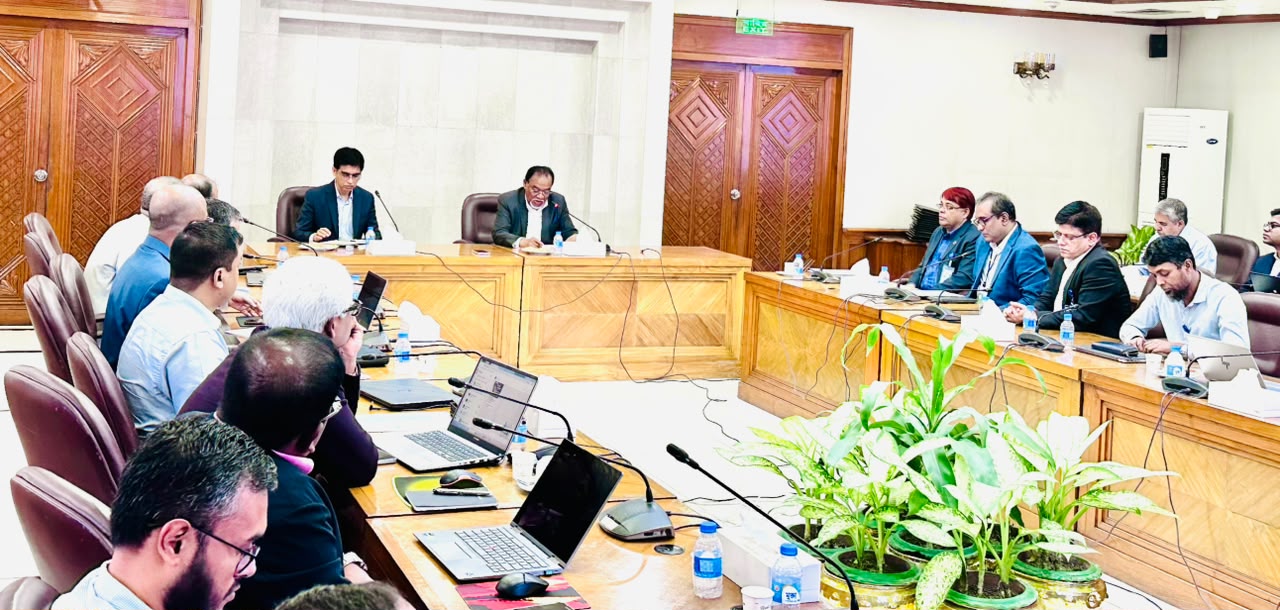
He made the remarks on Monday (August 24) while delivering the closing address as chair of a certificate distribution ceremony marking the completion of a five-day training programme titled “Strategic Use of AI Tools & Cyber Security for PMO Officials.”

The programme was jointly organized by the Governance Innovation Unit (GIU) of the Prime Minister’s Office and the EDGE project, being implemented under the ICT Division.

The public administration adviser said AI has become extremely important in the present era. It can enable the government to make decisions more quickly and efficiently, reduce administrative complexities and improve the quality of citizen services.

He said AI would also help develop skilled human resources, expand opportunities for research and innovation, and contribute to building a knowledge-based economy. It will play an important role in increasing productivity and helping Bangladesh remain competitive in the global market.

“Our goal is not simply to demonstrate the use of technology, but to make people’s lives easier through technology,” he said.

He said the government wants to build a smart governance system where citizens can receive services quickly and easily, decisions are based on data, and the administration becomes more effective, efficient and citizen-friendly.

According to the adviser, following the agricultural, industrial and digital revolutions, the world has now entered an AI revolution. The state must therefore adopt new technologies alongside conventional methods in governance, public services and administrative activities.

He said the proper use of AI can make the administration more efficient, faster, transparent and people-oriented. AI is already being used for data analysis, decision-making, increasing work efficiency and improving service quality.

“Artificial intelligence is not a replacement for humans; rather, it is a powerful tool for enhancing human capabilities and efficiency,” he said, adding that technology can never replace human wisdom and leadership. Instead, AI can support informed and intelligent decision-making.

He emphasized that the real success of the training would depend on applying the knowledge and skills acquired in the workplace. The skills would help simplify labour-intensive government tasks and cyber-risk management.

“Our goal is to build a smart, efficient and citizen-centric administration,” he said. Smart public administration will reduce the burden of routine and repetitive tasks, allowing officials to focus on more important and creative responsibilities. This, in turn, will increase administrative efficiency and enable citizens to receive faster, easier and higher-quality services.

Ismail Jabiullah also said technological changes would bring new challenges. Therefore, people must be prepared for the transition. Some conventional and routine jobs may change, while new skills will become necessary.

He stressed the need to train officials in new skills, particularly basic AI knowledge, digital capabilities and data-analysis skills. He said increasing human-AI collaboration by combining human expertise with AI capabilities would be one of the most important goals for the future.

ICT Division Secretary Md. Mamunur Rashid Bhuiyan said officials from all ministries would gradually be brought under the training programme.

He said the government is working regularly on both AI and cybersecurity and that an AI policy would be formulated very soon.

He noted that effective use of AI tools could significantly reduce the time and effort required for official tasks. As a result, officials would be able to complete routine work in less time and devote more time to important responsibilities.

He added that work on developing an AI assistant is already underway.

At the end of the programme, the adviser distributed certificates among officials from various departments of the Prime Minister’s Office who participated in the training.


AI to Make Government More Efficient, Citizen Services Easier: Public Administration Adviser

Update Time: 11:09:34 pm, Monday, 24 August 2026

The government will become more efficient through the use of artificial intelligence (AI), while citizen services will become easier and more accessible, said Public Administration Adviser to the Prime Minister Mohammad Ismail Jabiullah, a member of the BNP National Standing Committee.

He made the remarks on Monday (August 24) while delivering the closing address as chair of a certificate distribution ceremony marking the completion of a five-day training programme titled “Strategic Use of AI Tools & Cyber Security for PMO Officials.”

The programme was jointly organized by the Governance Innovation Unit (GIU) of the Prime Minister’s Office and the EDGE project, being implemented under the ICT Division.

The public administration adviser said AI has become extremely important in the present era. It can enable the government to make decisions more quickly and efficiently, reduce administrative complexities and improve the quality of citizen services.

He said AI would also help develop skilled human resources, expand opportunities for research and innovation, and contribute to building a knowledge-based economy. It will play an important role in increasing productivity and helping Bangladesh remain competitive in the global market.

“Our goal is not simply to demonstrate the use of technology, but to make people’s lives easier through technology,” he said.

He said the government wants to build a smart governance system where citizens can receive services quickly and easily, decisions are based on data, and the administration becomes more effective, efficient and citizen-friendly.

According to the adviser, following the agricultural, industrial and digital revolutions, the world has now entered an AI revolution. The state must therefore adopt new technologies alongside conventional methods in governance, public services and administrative activities.

He said the proper use of AI can make the administration more efficient, faster, transparent and people-oriented. AI is already being used for data analysis, decision-making, increasing work efficiency and improving service quality.

“Artificial intelligence is not a replacement for humans; rather, it is a powerful tool for enhancing human capabilities and efficiency,” he said, adding that technology can never replace human wisdom and leadership. Instead, AI can support informed and intelligent decision-making.

He emphasized that the real success of the training would depend on applying the knowledge and skills acquired in the workplace. The skills would help simplify labour-intensive government tasks and cyber-risk management.

“Our goal is to build a smart, efficient and citizen-centric administration,” he said. Smart public administration will reduce the burden of routine and repetitive tasks, allowing officials to focus on more important and creative responsibilities. This, in turn, will increase administrative efficiency and enable citizens to receive faster, easier and higher-quality services.

Ismail Jabiullah also said technological changes would bring new challenges. Therefore, people must be prepared for the transition. Some conventional and routine jobs may change, while new skills will become necessary.

He stressed the need to train officials in new skills, particularly basic AI knowledge, digital capabilities and data-analysis skills. He said increasing human-AI collaboration by combining human expertise with AI capabilities would be one of the most important goals for the future.

ICT Division Secretary Md. Mamunur Rashid Bhuiyan said officials from all ministries would gradually be brought under the training programme.

He said the government is working regularly on both AI and cybersecurity and that an AI policy would be formulated very soon.

He noted that effective use of AI tools could significantly reduce the time and effort required for official tasks. As a result, officials would be able to complete routine work in less time and devote more time to important responsibilities.

He added that work on developing an AI assistant is already underway.

At the end of the programme, the adviser distributed certificates among officials from various departments of the Prime Minister’s Office who participated in the training.