Dhaka 3:19 pm, Monday, 9 November 2026

Radical Changes in Primary Education Possible Within 2–3 Years: Bobby Hajjaj

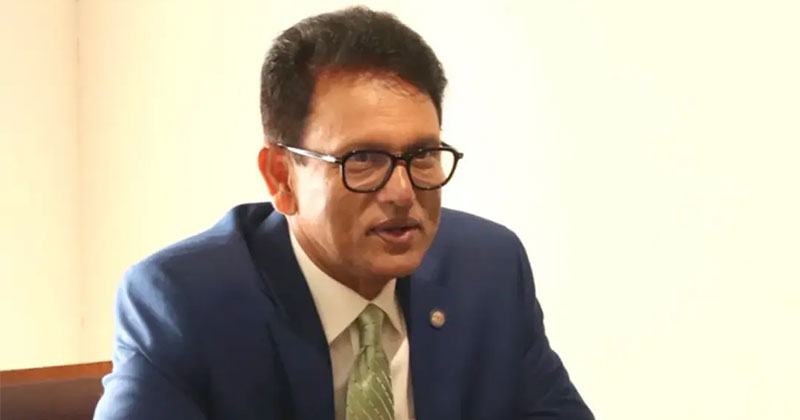
State Minister for Primary and Mass Education Bobby Hajjaj has expressed optimism that visible and qualitative changes can be brought to the country’s primary education system within the next two to three years.

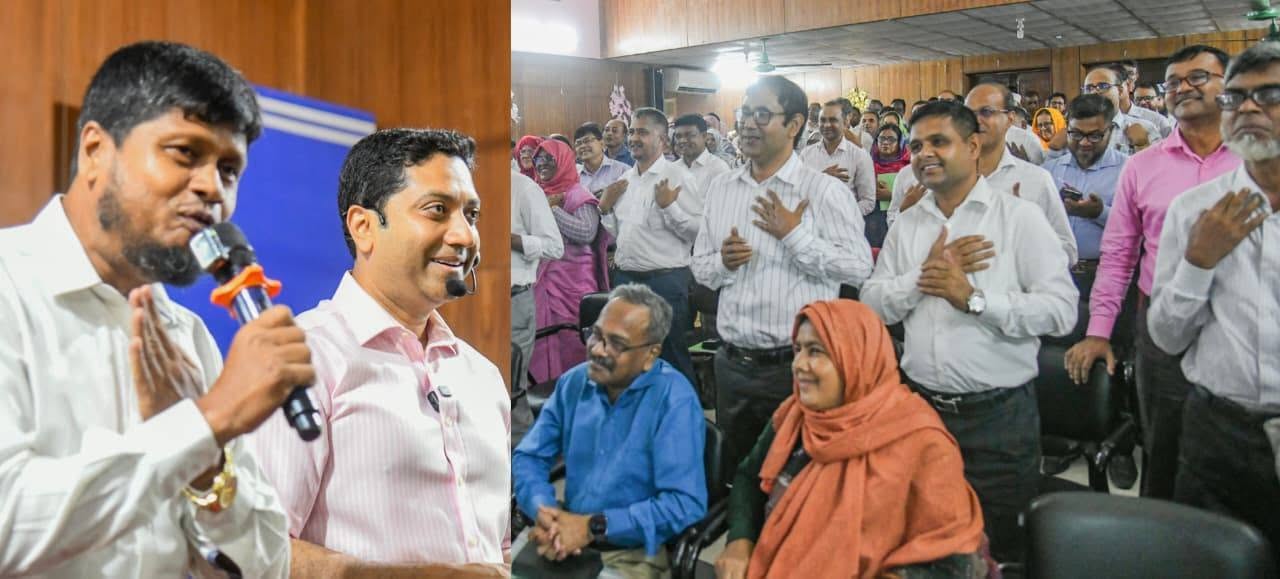
He made the remarks on Sunday (August 16, 2026) while addressing a training workshop titled “Classroom Management, Monitoring, Accountability and Changed Expectations from Local Administration in Primary Education” at the auditorium of the National Academy for Primary Education (NAPE) in Mymensingh. The workshop was organised by the Divisional Office of Primary Education, Mymensingh.

The state minister said the government is working in a planned manner to implement Prime Minister Tarique Rahman’s vision and directives for transforming primary education. He said the primary education sector has already made significant progress in planning, piloting and implementing the government’s first 180-day programme.

He said the workshop discussed various issues, including school management, ensuring students’ rights and facilities, involving the wider community with schools and establishing effective leadership in educational institutions. A similar workshop has already been held in the Sylhet Division, while such workshops will be organised in the remaining six divisions in phases over the next few weeks.

According to Bobby Hajjaj, emphasis is being placed on curriculum development, teacher training, formulation of a new teacher policy, values-based education, cultural education, sports education and technology-based learning to improve the quality of primary education.

He said Prime Minister Tarique Rahman has clearly instructed that no child should remain outside the classroom. To achieve this goal, initiatives have been taken to provide every primary school student with nutritious mid-day meals, free uniforms, shoes, school bags and other forms of support.

Regarding infrastructure development, the state minister said the government’s goal is not merely to construct buildings but to transform every school into a modern, safe and student-friendly environment. Plans have been taken to turn government primary schools into the “bright stars” of their respective communities.

Bobby Hajjaj said the government would also properly implement the targets set for the next six months. He urged all stakeholders to work in coordination to fulfil the commitments Prime Minister Tarique Rahman made to the people and the pledges concerning primary education in the government’s election manifesto.

He said the changes would be implemented at the school level after ensuring the necessary preparation and capacity of field-level officials.

The state minister further said an initiative is being taken to introduce speaking tests alongside written English examinations in the next primary education curriculum to improve students’ communication skills. An integrated IT ecosystem is also being developed to modernise student information management and educational activities. Under the system, each student will have a unique ID.

He said plans are also underway to install necessary wash blocks within school buildings instead of maintaining separate wash blocks, with the aim of improving students’ health, safety and the overall school environment.

Regarding the school feeding programme, Bobby Hajjaj said some shortcomings had been identified and steps were being taken to resolve them quickly.

Speaking about thefts at government primary schools, he said people generally consider mosques their own institutions, which is why incidents of theft are relatively rare there. However, many people do not consider government primary schools their own institutions. The government wants to involve parents, teachers and local residents and turn government primary schools into institutions owned and cared for by the entire community.

The workshop was chaired by the Divisional Deputy Director of Primary Education, Mymensingh Division.

Among those present as special guests were Farid Ahmed, Director General of the National Academy for Primary Education (NAPE), the Director of Policy and Operations of the Directorate of Primary Education, and PTI superintendents, district primary education officers, upazila primary education officers and assistant upazila primary education officers from different districts of the Mymensingh Division.

Radical Changes in Primary Education Possible Within 2–3 Years: Bobby Hajjaj

Update Time: 06:30:13 pm, Sunday, 16 August 2026

State Minister for Primary and Mass Education Bobby Hajjaj has expressed optimism that visible and qualitative changes can be brought to the country’s primary education system within the next two to three years.

He made the remarks on Sunday (August 16, 2026) while addressing a training workshop titled “Classroom Management, Monitoring, Accountability and Changed Expectations from Local Administration in Primary Education” at the auditorium of the National Academy for Primary Education (NAPE) in Mymensingh. The workshop was organised by the Divisional Office of Primary Education, Mymensingh.

The state minister said the government is working in a planned manner to implement Prime Minister Tarique Rahman’s vision and directives for transforming primary education. He said the primary education sector has already made significant progress in planning, piloting and implementing the government’s first 180-day programme.

He said the workshop discussed various issues, including school management, ensuring students’ rights and facilities, involving the wider community with schools and establishing effective leadership in educational institutions. A similar workshop has already been held in the Sylhet Division, while such workshops will be organised in the remaining six divisions in phases over the next few weeks.

According to Bobby Hajjaj, emphasis is being placed on curriculum development, teacher training, formulation of a new teacher policy, values-based education, cultural education, sports education and technology-based learning to improve the quality of primary education.

He said Prime Minister Tarique Rahman has clearly instructed that no child should remain outside the classroom. To achieve this goal, initiatives have been taken to provide every primary school student with nutritious mid-day meals, free uniforms, shoes, school bags and other forms of support.

Regarding infrastructure development, the state minister said the government’s goal is not merely to construct buildings but to transform every school into a modern, safe and student-friendly environment. Plans have been taken to turn government primary schools into the “bright stars” of their respective communities.

Bobby Hajjaj said the government would also properly implement the targets set for the next six months. He urged all stakeholders to work in coordination to fulfil the commitments Prime Minister Tarique Rahman made to the people and the pledges concerning primary education in the government’s election manifesto.

He said the changes would be implemented at the school level after ensuring the necessary preparation and capacity of field-level officials.

The state minister further said an initiative is being taken to introduce speaking tests alongside written English examinations in the next primary education curriculum to improve students’ communication skills. An integrated IT ecosystem is also being developed to modernise student information management and educational activities. Under the system, each student will have a unique ID.

He said plans are also underway to install necessary wash blocks within school buildings instead of maintaining separate wash blocks, with the aim of improving students’ health, safety and the overall school environment.

Regarding the school feeding programme, Bobby Hajjaj said some shortcomings had been identified and steps were being taken to resolve them quickly.

Speaking about thefts at government primary schools, he said people generally consider mosques their own institutions, which is why incidents of theft are relatively rare there. However, many people do not consider government primary schools their own institutions. The government wants to involve parents, teachers and local residents and turn government primary schools into institutions owned and cared for by the entire community.

The workshop was chaired by the Divisional Deputy Director of Primary Education, Mymensingh Division.

Among those present as special guests were Farid Ahmed, Director General of the National Academy for Primary Education (NAPE), the Director of Policy and Operations of the Directorate of Primary Education, and PTI superintendents, district primary education officers, upazila primary education officers and assistant upazila primary education officers from different districts of the Mymensingh Division.