

Dhaka 3:14 pm, Monday, 9 November 2026

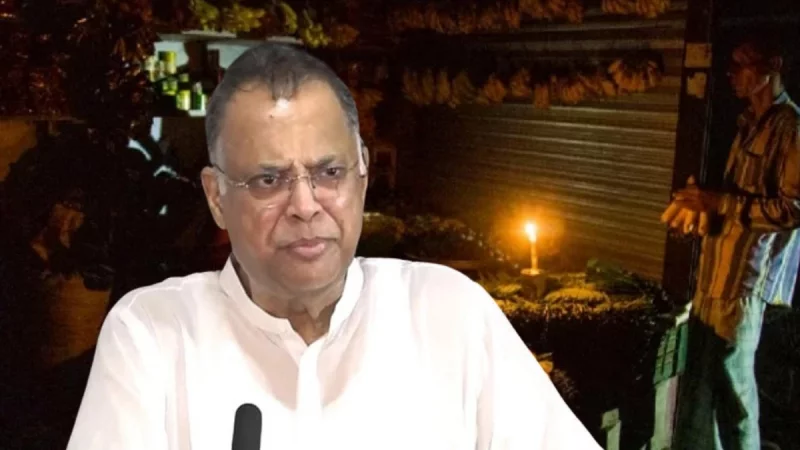
No Option but to Manage Load Shedding and Wait, Says Power Minister

Power, Energy and Mineral Resources Minister Iqbal Hasan Mahmud has said that, given the government’s limited capacity and the current structural situation, there is little scope for an immediate solution to the ongoing gas crisis affecting industries and power generation. Until the floating LNG terminal (FSRU) is repaired, the government has no option but to manage load shedding and wait, he said.

The minister made the remarks while joining a dialogue titled “Navigating Bangladesh Energy Crisis: Immediate Priorities and the Path to a Sustainable Energy Future” organised by the Centre for Policy Dialogue (CPD) at BRAC Centre in Mohakhali, Dhaka, on Thursday morning. He joined the event online as the chief guest.

Referring to the ongoing crisis, Iqbal Hasan Mahmud said the government is making every possible effort, but its options are currently limited.

“This is all I can say: we are working. During this crisis, there is actually little I can do. I cannot extract additional gas now, and without the FSRU, I cannot bring the gas we already have into the system,” he said.

The minister said the crisis began following a fire at an FSRU. Since new domestic gas production cannot be increased overnight and the existing LNG cannot be unloaded until the terminal is operational, the government is currently focused on managing the available supply.

He said foreign engineers are working to repair the FSRU and that, until the repair work is completed, there is no alternative but to wait.

“Right now, all I can do is count the days until the engineers finish their work on the FSRU and manage the system so that load shedding is minimised and gas can be supplied to industries,” he said.

FSRU repair may require 72-hour shutdown

Engineers from the United Kingdom and Singapore are involved in repairing the LNG terminal, the minister said. After the repair, two new boilers will have to be commissioned simultaneously.

For technical coordination, the entire system may need to remain shut down continuously for around 72 hours, or three days, he warned. This could temporarily intensify the country’s gas shortage.

Four more FSRUs planned by 2029

The government is planning to expand the country’s gas infrastructure with 2029 as a target, the minister said. An order has already been placed for a new FSRU.

The government also plans to install three more FSRUs at Payra, Mongla and Hiron Point by 2029.

To ease the gas shortage in industries, the government is exploring alternative supply arrangements. A company has been authorised to operate 30 container trucks to transport gas from Bhola to industrial facilities.

The government is also in talks with a Malaysian company to establish a system for supplying gas directly through containers.

Battery-run rickshaws driving up electricity demand

Referring to battery-powered rickshaws as the “Tesla of the poor,” the minister said a large number of them are charged through illegal electricity connections after midnight.

As a result, the peak period for electricity consumption is shifting towards midnight, while total demand has risen to nearly 18,000 megawatts, he said.

However, government employees face attacks in many areas when attempting to disconnect illegal electricity connections, the minister added.

On concerns over the oil market, he said rumours have worsened the situation at different times. He clarified that no particular organisation is being given a monopoly over oil trading.

A new policy is being formulated to allow private companies to import oil subject to certain conditions, he said.

The government has also reduced import duties on solar batteries and inverters to 5 percent and introduced a five-year tax holiday to encourage solar power development.

Industrial production falls by 35–40%

Presenting the keynote paper at the dialogue, CPD Senior Research Associate Fakhruddin Al Kabir said Bangladesh’s energy crisis has reached a critical stage, largely due to excessive import dependence and structural weaknesses in the energy sector.

He said 84 percent of the electricity currently consumed in Bangladesh is generated from fossil fuels, while renewable energy accounts for only 4.5 percent.

CPD recommended urgent domestic gas exploration, expansion of solar and renewable energy, and the establishment of strategic fuel reserves to address the crisis.

Bangladesh Chamber of Industries (BCI) President Anwar-ul Alam Chowdhury Parvez said industrial production has declined by 35–40 percent because of the severe gas and power shortages.

He warned that the crisis has pushed the industrial sector into deep distress and increased the risk of losing foreign orders, particularly in the apparel industry.

Calling for the highest priority to be given to gas supplies for industries, he also demanded an emergency “rescue package” to protect businesses and employment.

Experts call for long-term energy strategy

CPD Executive Director Fahmida Khatun said the government should adopt a comprehensive 10-year policy for the power and energy sector rather than relying on temporary measures. She also stressed the need to strengthen institutional capacity.

She said the absence of an appropriate market-based pricing policy and targeted subsidies has further aggravated the crisis.

David Hasnat, president of the Bangladesh Independent Power Producers Association (BIPPA), said a significant portion of the country’s gas-fired power plants has been forced to remain shut due to the severe gas shortage.

He called for the construction of land-based LNG terminals as a faster and more sustainable solution to the country’s energy security challenges.

Mostafa Al Mahmud, president of the Bangladesh Sustainable and Renewable Energy Association, called for greater emphasis on renewable energy and urged the government to simplify customs and administrative procedures.

He also proposed converting the country’s 1.3 million diesel-powered irrigation pumps to solar power.

Energy expert Professor Ijaz Hossain blamed excessive social commitments, the lack of an appropriate pricing policy and system losses for the deepening crisis. He said the government must focus not only on increasing supply but also on managing demand and preventing energy theft.

Syed Nasim Manzur, a member of CPD’s Board of Trustees, called for clear government priorities to address the energy crisis facing industries. He stressed the need for reliable supplies of quality electricity and gas, publication of a specific load-shedding schedule, reduction of system losses, tax incentives for solar storage and priority allocation of energy to industries.

Professor Sakib Bin Amin of the Department of Economics at North South University and Associate Professor Moshahida Sultana of the Department of Accounting and Information Systems at the University of Dhaka, among others, also spoke at the event.

No Option but to Manage Load Shedding and Wait, Says Power Minister

Update Time: 06:55:10 pm, Thursday, 13 August 2026

Power, Energy and Mineral Resources Minister Iqbal Hasan Mahmud has said that, given the government’s limited capacity and the current structural situation, there is little scope for an immediate solution to the ongoing gas crisis affecting industries and power generation. Until the floating LNG terminal (FSRU) is repaired, the government has no option but to manage load shedding and wait, he said.

The minister made the remarks while joining a dialogue titled “Navigating Bangladesh Energy Crisis: Immediate Priorities and the Path to a Sustainable Energy Future” organised by the Centre for Policy Dialogue (CPD) at BRAC Centre in Mohakhali, Dhaka, on Thursday morning. He joined the event online as the chief guest.

Referring to the ongoing crisis, Iqbal Hasan Mahmud said the government is making every possible effort, but its options are currently limited.

“This is all I can say: we are working. During this crisis, there is actually little I can do. I cannot extract additional gas now, and without the FSRU, I cannot bring the gas we already have into the system,” he said.

The minister said the crisis began following a fire at an FSRU. Since new domestic gas production cannot be increased overnight and the existing LNG cannot be unloaded until the terminal is operational, the government is currently focused on managing the available supply.

He said foreign engineers are working to repair the FSRU and that, until the repair work is completed, there is no alternative but to wait.

“Right now, all I can do is count the days until the engineers finish their work on the FSRU and manage the system so that load shedding is minimised and gas can be supplied to industries,” he said.

FSRU repair may require 72-hour shutdown

Engineers from the United Kingdom and Singapore are involved in repairing the LNG terminal, the minister said. After the repair, two new boilers will have to be commissioned simultaneously.

For technical coordination, the entire system may need to remain shut down continuously for around 72 hours, or three days, he warned. This could temporarily intensify the country’s gas shortage.

Four more FSRUs planned by 2029

The government is planning to expand the country’s gas infrastructure with 2029 as a target, the minister said. An order has already been placed for a new FSRU.

The government also plans to install three more FSRUs at Payra, Mongla and Hiron Point by 2029.

To ease the gas shortage in industries, the government is exploring alternative supply arrangements. A company has been authorised to operate 30 container trucks to transport gas from Bhola to industrial facilities.

The government is also in talks with a Malaysian company to establish a system for supplying gas directly through containers.

Battery-run rickshaws driving up electricity demand

Referring to battery-powered rickshaws as the “Tesla of the poor,” the minister said a large number of them are charged through illegal electricity connections after midnight.

As a result, the peak period for electricity consumption is shifting towards midnight, while total demand has risen to nearly 18,000 megawatts, he said.

However, government employees face attacks in many areas when attempting to disconnect illegal electricity connections, the minister added.

On concerns over the oil market, he said rumours have worsened the situation at different times. He clarified that no particular organisation is being given a monopoly over oil trading.

A new policy is being formulated to allow private companies to import oil subject to certain conditions, he said.

The government has also reduced import duties on solar batteries and inverters to 5 percent and introduced a five-year tax holiday to encourage solar power development.

Industrial production falls by 35–40%

Presenting the keynote paper at the dialogue, CPD Senior Research Associate Fakhruddin Al Kabir said Bangladesh’s energy crisis has reached a critical stage, largely due to excessive import dependence and structural weaknesses in the energy sector.

He said 84 percent of the electricity currently consumed in Bangladesh is generated from fossil fuels, while renewable energy accounts for only 4.5 percent.

CPD recommended urgent domestic gas exploration, expansion of solar and renewable energy, and the establishment of strategic fuel reserves to address the crisis.

Bangladesh Chamber of Industries (BCI) President Anwar-ul Alam Chowdhury Parvez said industrial production has declined by 35–40 percent because of the severe gas and power shortages.

He warned that the crisis has pushed the industrial sector into deep distress and increased the risk of losing foreign orders, particularly in the apparel industry.

Calling for the highest priority to be given to gas supplies for industries, he also demanded an emergency “rescue package” to protect businesses and employment.

Experts call for long-term energy strategy

CPD Executive Director Fahmida Khatun said the government should adopt a comprehensive 10-year policy for the power and energy sector rather than relying on temporary measures. She also stressed the need to strengthen institutional capacity.

She said the absence of an appropriate market-based pricing policy and targeted subsidies has further aggravated the crisis.

David Hasnat, president of the Bangladesh Independent Power Producers Association (BIPPA), said a significant portion of the country’s gas-fired power plants has been forced to remain shut due to the severe gas shortage.

He called for the construction of land-based LNG terminals as a faster and more sustainable solution to the country’s energy security challenges.

Mostafa Al Mahmud, president of the Bangladesh Sustainable and Renewable Energy Association, called for greater emphasis on renewable energy and urged the government to simplify customs and administrative procedures.

He also proposed converting the country’s 1.3 million diesel-powered irrigation pumps to solar power.

Energy expert Professor Ijaz Hossain blamed excessive social commitments, the lack of an appropriate pricing policy and system losses for the deepening crisis. He said the government must focus not only on increasing supply but also on managing demand and preventing energy theft.

Syed Nasim Manzur, a member of CPD’s Board of Trustees, called for clear government priorities to address the energy crisis facing industries. He stressed the need for reliable supplies of quality electricity and gas, publication of a specific load-shedding schedule, reduction of system losses, tax incentives for solar storage and priority allocation of energy to industries.

Professor Sakib Bin Amin of the Department of Economics at North South University and Associate Professor Moshahida Sultana of the Department of Accounting and Information Systems at the University of Dhaka, among others, also spoke at the event.