

Dhaka 3:08 pm, Monday, 9 November 2026

Advisor Calls for Stronger China-Bangladesh Cooperation in AI, Smart Manufacturing and Digital Governance

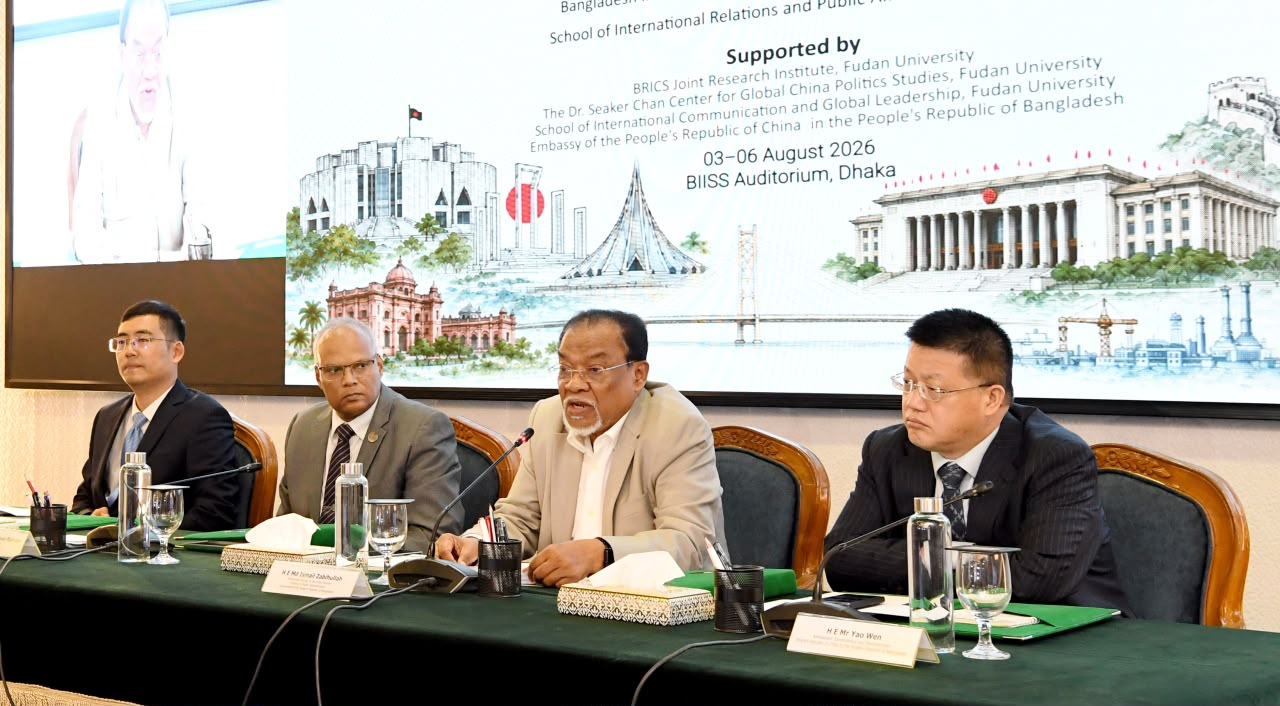
Prime Minister’s Adviser on Public Administration (with the rank of Minister), Md. Ismail Jabiullah, has called for deeper collaboration between Bangladesh and Chinese universities and research institutions in key sectors such as artificial intelligence (AI), smart manufacturing, and digital governance. He also proposed the establishment of joint research centers, faculty exchange programs, dual-degree initiatives, and collaborative policy research laboratories between universities of the two countries.

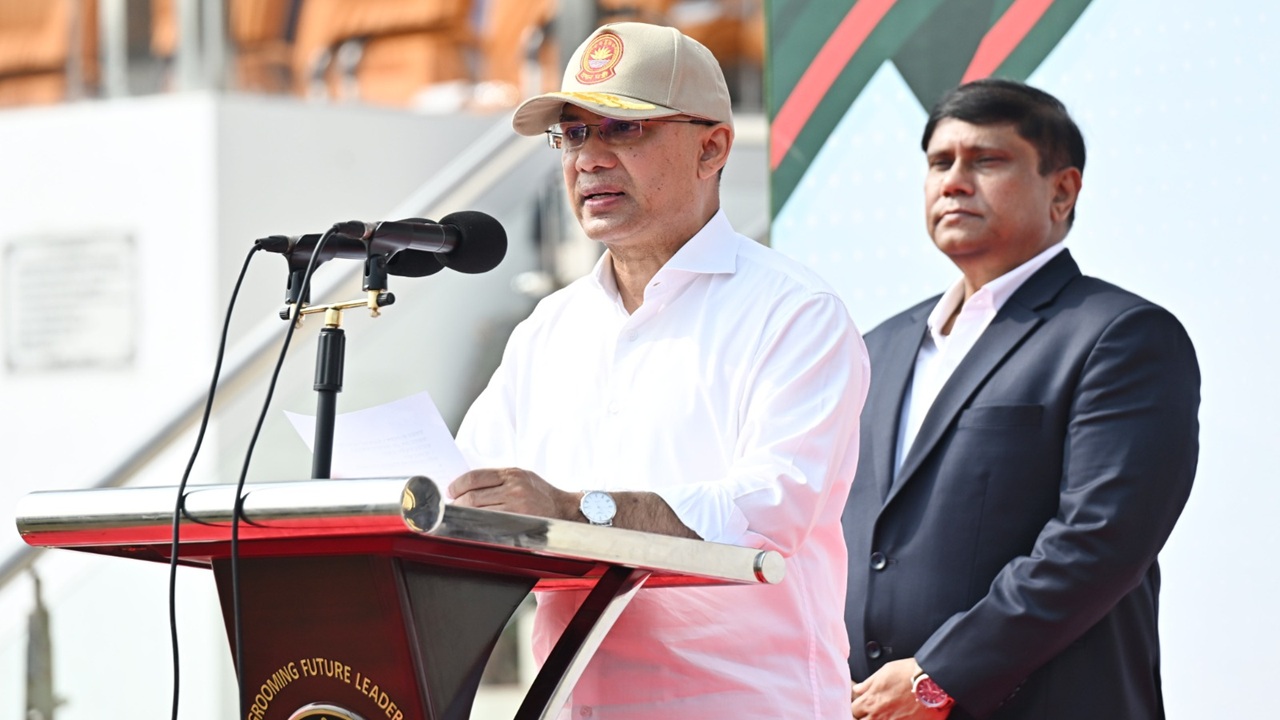
He made the remarks on Thursday while addressing the certificate distribution and closing ceremony of the “Joint Training Program 2026 on the Comparative Forum” at the BIISS Auditorium in Dhaka as the chief guest. The program was jointly organized by the Bangladesh Institute of International and Strategic Studies (BIISS) and the School of International Relations and Public Affairs of Fudan University, China.

Speaking at the event, Ismail Jabiullah said Bangladesh-China relations are founded on mutual respect, trust, and shared aspirations. He noted that the friendly relationship has steadily grown since the tenure of late President Ziaur Rahman, was further strengthened under former Prime Minister Begum Khaleda Zia, and has recently reached a new milestone following Prime Minister Tarique Rahman’s visit to China, elevating bilateral ties to a Comprehensive Strategic Cooperative Partnership.

He also highlighted that China has long been one of Bangladesh’s largest trading partners, with bilateral trade now exceeding US$25 billion annually. Chinese companies, he said, have made significant contributions to major infrastructure projects, including bridges, highways, power generation, industrial zones, and digital connectivity.

The adviser further said Bangladesh has entered a new phase of development since August 2024, driven by renewed optimism and commitment. He emphasized that artificial intelligence is opening a new frontier in governance and is expected to transform public administration, healthcare, education, urban planning, agriculture, and public service delivery.

Special guest Professor Zhang Ping praised BIISS for its hospitality and said the memorandum of understanding signed during the opening session would pave the way for long-term cooperation between the two institutions.

BIISS Director General Major General ASM Ridwanur Rahman said the forum had served as an important platform for meaningful academic dialogue and policy exchange between experts from Bangladesh and China.

During the closing ceremony, the adviser distributed certificates to 37 participants in recognition of their successful completion of the four-day training program.

The program featured discussions on a range of topics, including governance modernization, poverty reduction, digital governance and artificial intelligence, the Global Development Initiative, industrialization, and Bangladesh-China relations.

Chinese Ambassador to Bangladesh Yao Wen, faculty members from Fudan University and BIISS, along with representatives from various print and electronic media outlets, attended the closing ceremony.

Advisor Calls for Stronger China-Bangladesh Cooperation in AI, Smart Manufacturing and Digital Governance

Update Time: 10:36:33 pm, Thursday, 6 August 2026

Prime Minister’s Adviser on Public Administration (with the rank of Minister), Md. Ismail Jabiullah, has called for deeper collaboration between Bangladesh and Chinese universities and research institutions in key sectors such as artificial intelligence (AI), smart manufacturing, and digital governance. He also proposed the establishment of joint research centers, faculty exchange programs, dual-degree initiatives, and collaborative policy research laboratories between universities of the two countries.

He made the remarks on Thursday while addressing the certificate distribution and closing ceremony of the “Joint Training Program 2026 on the Comparative Forum” at the BIISS Auditorium in Dhaka as the chief guest. The program was jointly organized by the Bangladesh Institute of International and Strategic Studies (BIISS) and the School of International Relations and Public Affairs of Fudan University, China.

Speaking at the event, Ismail Jabiullah said Bangladesh-China relations are founded on mutual respect, trust, and shared aspirations. He noted that the friendly relationship has steadily grown since the tenure of late President Ziaur Rahman, was further strengthened under former Prime Minister Begum Khaleda Zia, and has recently reached a new milestone following Prime Minister Tarique Rahman’s visit to China, elevating bilateral ties to a Comprehensive Strategic Cooperative Partnership.

He also highlighted that China has long been one of Bangladesh’s largest trading partners, with bilateral trade now exceeding US$25 billion annually. Chinese companies, he said, have made significant contributions to major infrastructure projects, including bridges, highways, power generation, industrial zones, and digital connectivity.

The adviser further said Bangladesh has entered a new phase of development since August 2024, driven by renewed optimism and commitment. He emphasized that artificial intelligence is opening a new frontier in governance and is expected to transform public administration, healthcare, education, urban planning, agriculture, and public service delivery.

Special guest Professor Zhang Ping praised BIISS for its hospitality and said the memorandum of understanding signed during the opening session would pave the way for long-term cooperation between the two institutions.

BIISS Director General Major General ASM Ridwanur Rahman said the forum had served as an important platform for meaningful academic dialogue and policy exchange between experts from Bangladesh and China.

During the closing ceremony, the adviser distributed certificates to 37 participants in recognition of their successful completion of the four-day training program.

The program featured discussions on a range of topics, including governance modernization, poverty reduction, digital governance and artificial intelligence, the Global Development Initiative, industrialization, and Bangladesh-China relations.

Chinese Ambassador to Bangladesh Yao Wen, faculty members from Fudan University and BIISS, along with representatives from various print and electronic media outlets, attended the closing ceremony.