Dhaka 3:07 pm, Monday, 9 November 2026

Government Moves to Replace RAB with SRB, Draft Law Published

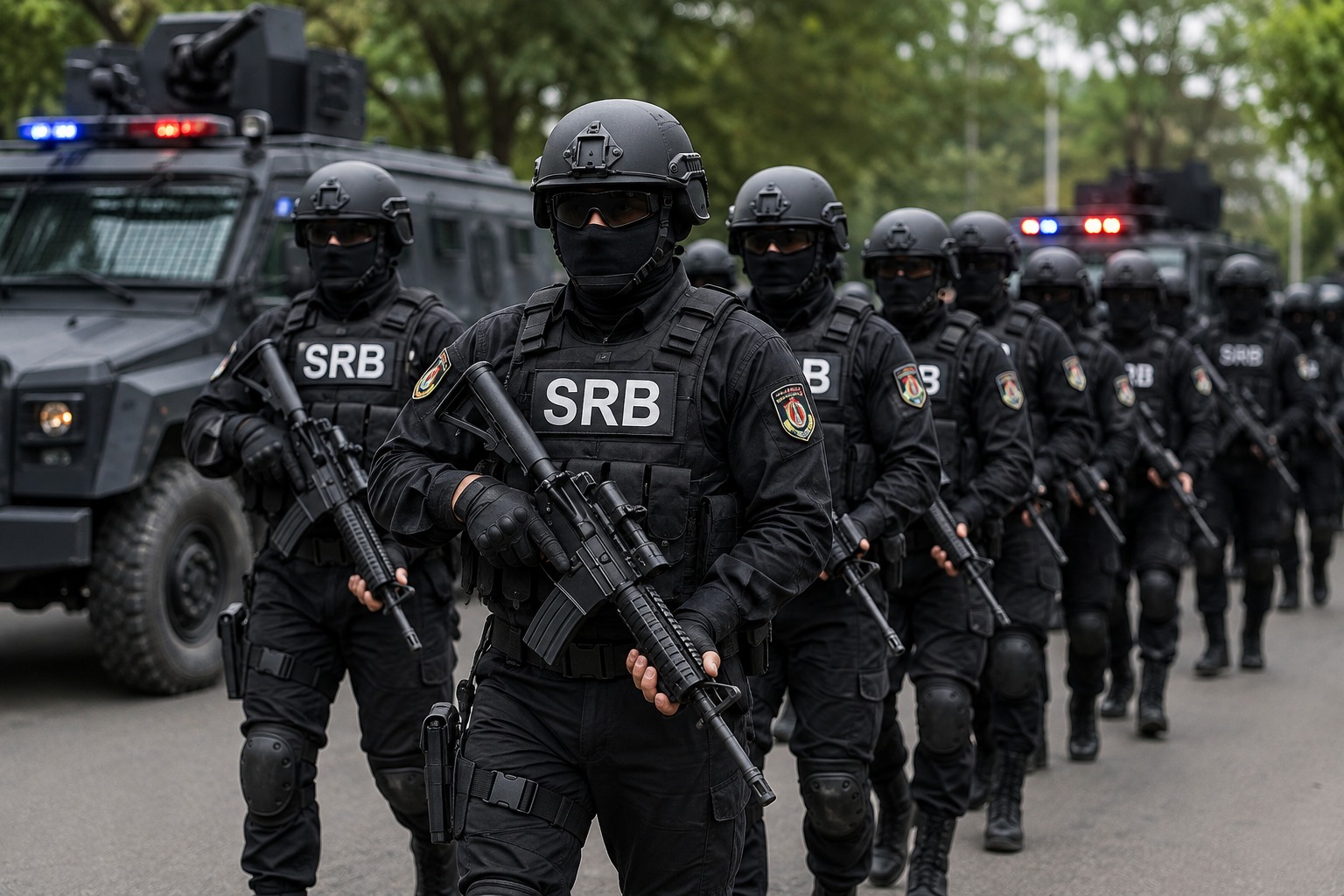
The government has taken steps to dissolve the Rapid Action Battalion (RAB) and establish a new specialized force called the Special Response Battalion (SRB). To this end, the Ministry of Home Affairs has published the draft “Special Response Battalion (SRB) Act, 2026” on its website and invited public opinions on the proposed legislation.

According to the Ministry of Home Affairs, the draft will be finalized after considering public feedback and opinions from relevant ministries and divisions. It will then be placed before the Cabinet for approval before being introduced in the National Parliament. Once enacted, the new law will repeal the existing legal framework governing RAB, although some current regulations will remain in force until new rules are formulated.

The draft proposes that the SRB operate as a specialized unit under the Bangladesh Police, headed by a Director General with the rank of Additional Inspector General of Police (Additional IGP). The force will have the authority to establish battalions, companies, platoons, and sections as needed. While its headquarters will be in Dhaka, units may be established anywhere in the country.

In addition to police personnel, members from other disciplined forces may be deputed to serve in the SRB. The proposed minimum deputation period is two years.

Under the draft law, SRB members will have the authority to conduct searches, seize evidence, and make arrests in accordance with the Code of Criminal Procedure. The force will be empowered to combat drug trafficking, illegal arms and explosives, terrorism, human trafficking, organized crime, cybercrime, and offenses against state security.

The SRB will also be authorized to investigate criminal cases on the instructions of the courts, the government, or the Inspector General of Police (IGP). Investigations must be conducted by officers of at least the rank of Sub-Inspector and follow the Code of Criminal Procedure and Police Regulations.

To facilitate investigations, the new force will have its own detention cells, evidence storage facilities, and interrogation rooms.

One of the most notable features of the proposed law is the establishment of a Complaint Redress Committee, aimed at strengthening accountability in response to past allegations against RAB.

The committee will be chaired by an Additional Director General of the SRB and include representatives from the Ministry of Home Affairs, Police Headquarters, the Director (Legal and Media), and a government-nominated individual with at least 10 years of experience in human rights, law, or judicial administration.

The committee will have the authority to investigate public complaints, form inquiry teams when necessary, and recommend action if allegations are found to have merit. It will also review complaints relating to unlawful influence, harassment, misconduct, promotions, postings, and disciplinary actions within the force.

The draft law also outlines a detailed code of conduct for SRB personnel. Disciplinary action may be taken for offenses such as reporting for duty under the influence of drugs, disobeying superior officers, negligence, misuse of government weapons or equipment, extortion, assisting criminals in escaping, gambling, or involvement in other illegal activities.

If an SRB member absconds after committing a disciplinary or criminal offense, the battalion commander will initiate legal action. The officer-in-charge of the relevant police station may also be requested to arrest and hand over the accused member to the battalion.

According to the draft, once the law comes into effect, all assets, personnel, funds, ongoing cases, administrative functions, and existing agreements of RAB will be transferred to the SRB.

RAB was established on 26 March 2004 and officially began operations on 14 April 2004. Although the elite force has played a significant role in maintaining law and order over the past two decades, it has also faced widespread domestic and international criticism over allegations of extrajudicial killings, enforced disappearances, and human rights violations.

The government says the restructuring aims to create a more accountable force while retaining the core operational powers of conducting raids, arrests, searches, and investigations under a new legal framework.


Government Moves to Replace RAB with SRB, Draft Law Published

Update Time: 10:17:57 pm, Thursday, 6 August 2026

The government has taken steps to dissolve the Rapid Action Battalion (RAB) and establish a new specialized force called the Special Response Battalion (SRB). To this end, the Ministry of Home Affairs has published the draft “Special Response Battalion (SRB) Act, 2026” on its website and invited public opinions on the proposed legislation.

According to the Ministry of Home Affairs, the draft will be finalized after considering public feedback and opinions from relevant ministries and divisions. It will then be placed before the Cabinet for approval before being introduced in the National Parliament. Once enacted, the new law will repeal the existing legal framework governing RAB, although some current regulations will remain in force until new rules are formulated.

The draft proposes that the SRB operate as a specialized unit under the Bangladesh Police, headed by a Director General with the rank of Additional Inspector General of Police (Additional IGP). The force will have the authority to establish battalions, companies, platoons, and sections as needed. While its headquarters will be in Dhaka, units may be established anywhere in the country.

In addition to police personnel, members from other disciplined forces may be deputed to serve in the SRB. The proposed minimum deputation period is two years.

Under the draft law, SRB members will have the authority to conduct searches, seize evidence, and make arrests in accordance with the Code of Criminal Procedure. The force will be empowered to combat drug trafficking, illegal arms and explosives, terrorism, human trafficking, organized crime, cybercrime, and offenses against state security.

The SRB will also be authorized to investigate criminal cases on the instructions of the courts, the government, or the Inspector General of Police (IGP). Investigations must be conducted by officers of at least the rank of Sub-Inspector and follow the Code of Criminal Procedure and Police Regulations.

To facilitate investigations, the new force will have its own detention cells, evidence storage facilities, and interrogation rooms.

One of the most notable features of the proposed law is the establishment of a Complaint Redress Committee, aimed at strengthening accountability in response to past allegations against RAB.

The committee will be chaired by an Additional Director General of the SRB and include representatives from the Ministry of Home Affairs, Police Headquarters, the Director (Legal and Media), and a government-nominated individual with at least 10 years of experience in human rights, law, or judicial administration.

The committee will have the authority to investigate public complaints, form inquiry teams when necessary, and recommend action if allegations are found to have merit. It will also review complaints relating to unlawful influence, harassment, misconduct, promotions, postings, and disciplinary actions within the force.

The draft law also outlines a detailed code of conduct for SRB personnel. Disciplinary action may be taken for offenses such as reporting for duty under the influence of drugs, disobeying superior officers, negligence, misuse of government weapons or equipment, extortion, assisting criminals in escaping, gambling, or involvement in other illegal activities.

If an SRB member absconds after committing a disciplinary or criminal offense, the battalion commander will initiate legal action. The officer-in-charge of the relevant police station may also be requested to arrest and hand over the accused member to the battalion.

According to the draft, once the law comes into effect, all assets, personnel, funds, ongoing cases, administrative functions, and existing agreements of RAB will be transferred to the SRB.

RAB was established on 26 March 2004 and officially began operations on 14 April 2004. Although the elite force has played a significant role in maintaining law and order over the past two decades, it has also faced widespread domestic and international criticism over allegations of extrajudicial killings, enforced disappearances, and human rights violations.

The government says the restructuring aims to create a more accountable force while retaining the core operational powers of conducting raids, arrests, searches, and investigations under a new legal framework.