
 Staff Correspondent
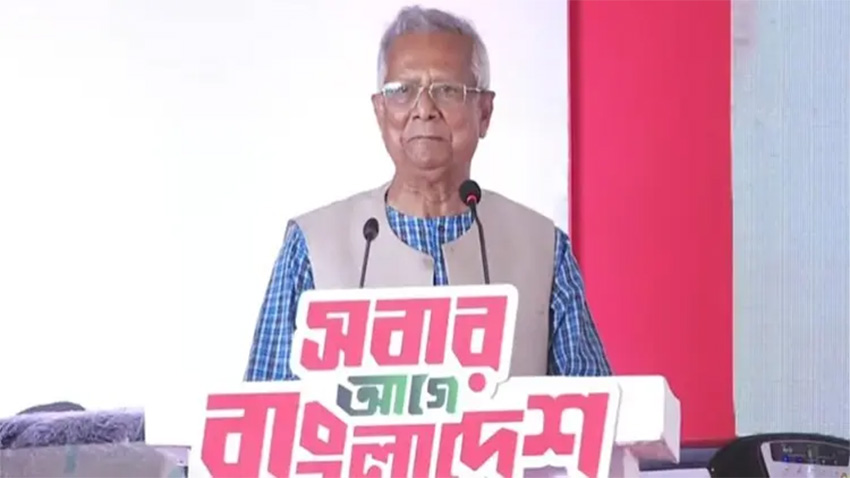
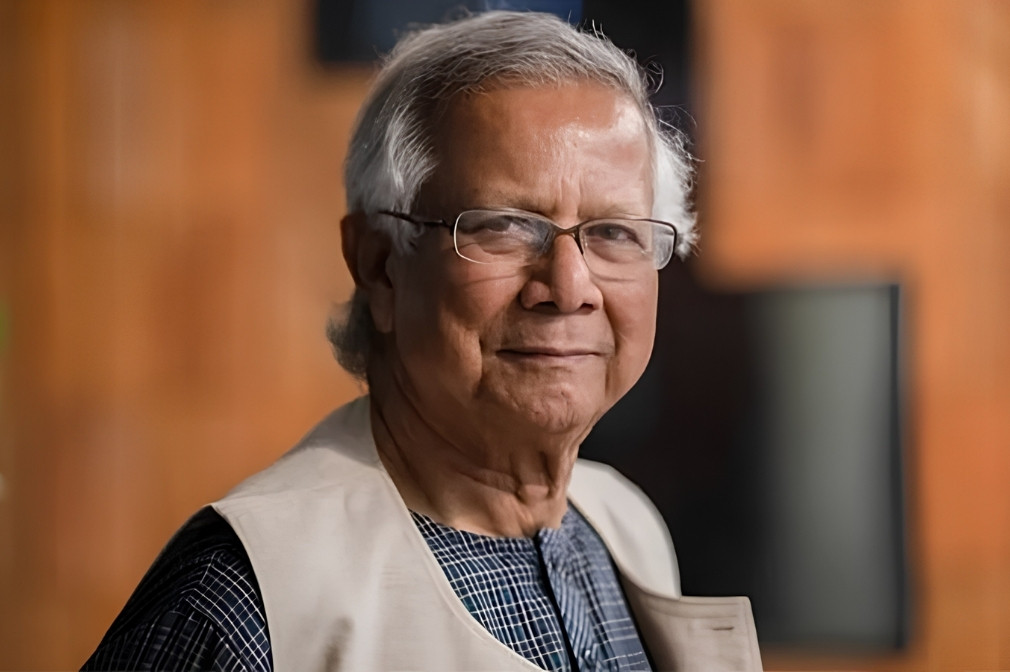
Former Chief Adviser to Bangladesh’s interim government, Professor Muhammad Yunus, has described the July Mass Uprising Memorial Museum as not merely a place to preserve memories of the past, but a lasting source of inspiration for building a new Bangladesh.
Speaking at the inauguration of the museum in the capital on Wednesday (5 August), Dr. Yunus said, “If we ever lose our way, we will come here to find it again. If our thoughts become misguided, we will return here, rediscover our direction, and begin our journey anew.”
He said the museum is unique compared to others around the world because it preserves not centuries-old history but the events of the July Mass Uprising almost as they unfolded.
“As the events happened, we immediately began collecting every artifact, document, and testimony. This marks a new chapter in preserving our nation’s history,” he said.
Highlighting the sacrifices made by young people during the July Movement, Dr. Yunus said many participants wrote personal letters explaining why they joined the protests despite objections from their families.
“These letters will remain a source of inspiration for future generations,” he said, adding, “Our hope is that every young person in Bangladesh will say, ‘We have come to build a new Bangladesh.’”
He urged students, youth, and citizens from across the country to visit the museum at least once.
“This should not be a place people simply visit and leave. They should spend time here reflecting, and write down their own dreams, aspirations, and plans for the future,” he said.
Dr. Yunus also expressed hope that the museum would become a vibrant center for culture, art, music, painting, and other creative activities.
Referring to the symbolic graves built inside the museum, he said each would preserve the identity and story of a martyr so that visitors could understand how and why they sacrificed their lives.
“They were not members of any particular political party. They were ordinary sons and daughters of ordinary families. They took to the streets because they believed Bangladesh could no longer continue as it had and that a new Bangladesh had to be built,” he said.
The Nobel Peace Prize laureate praised those involved in establishing the museum, saying that collecting each artifact required immense time, dedication, and perseverance.
Concluding his remarks, Dr. Yunus thanked everyone associated with the construction and inauguration of the museum and expressed hope that every citizen would visit it with their families.
“I hope every person in this country will come here at least once—not only to see the exhibits, but to reflect on why these events happened, how they unfolded, and what path we should take as a nation in the future,” he said.