
 International Desk
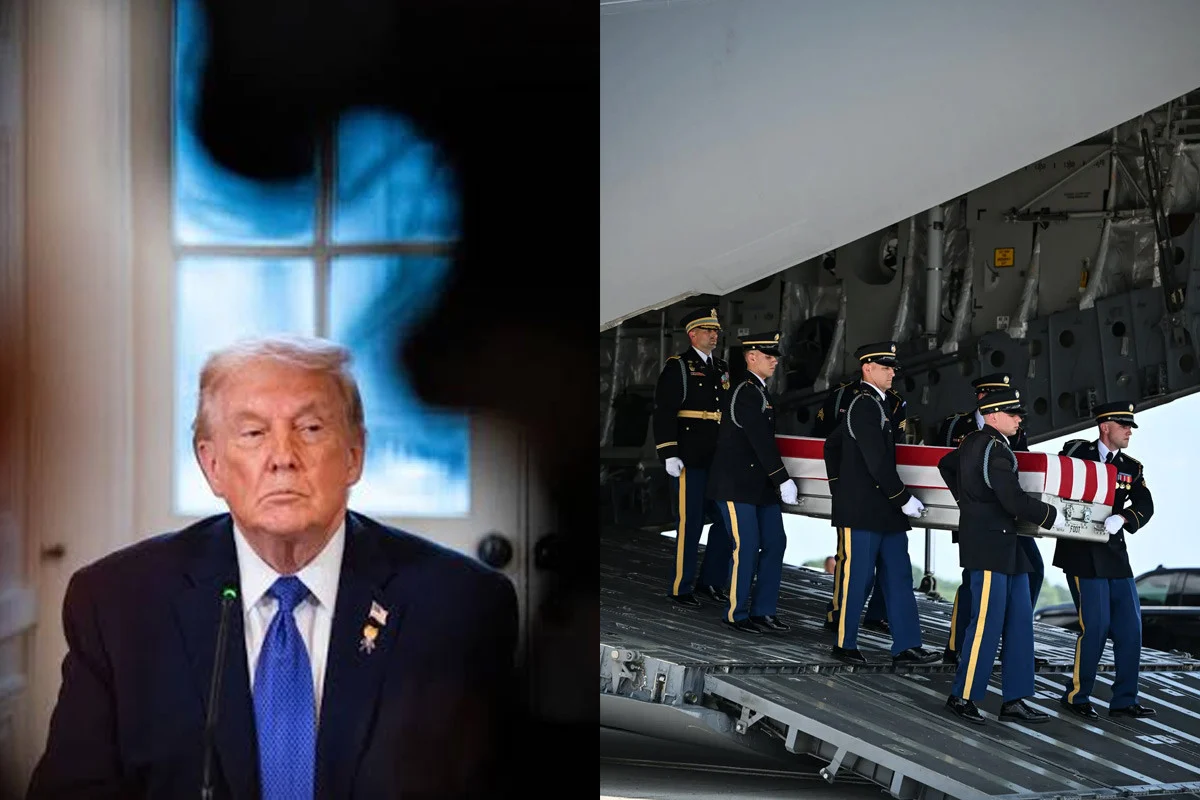
The United States is reportedly struggling to achieve its stated political objectives despite six months of military operations against Iran, according to an analysis published by The New York Times. The report argues that while Washington has maintained military superiority, it has failed to bring about lasting changes in Tehran’s policies or strategic behavior, raising concerns among U.S. allies about the effectiveness of its approach.
The analysis, published on Friday, cites opinions from former diplomats, security analysts, and Middle East experts. It says the prolonged conflict has increased pressure on U.S. weapons stockpiles and military resources needed to sustain its global commitments, potentially signaling strategic limitations to rivals such as Russia and China.
According to the report, the ongoing conflict has exposed the limits of U.S. military power while prompting fresh questions among allies about Washington’s long-term reliability as a security partner.
The analysis also notes that despite sustained military pressure, Iran has managed to retain its regional influence and continues to view the Strait of Hormuz as a key strategic asset.
The report identifies the Strait of Hormuz as one of Iran’s most significant sources of leverage. It says discussions involving Iran and Oman over the waterway have become an important diplomatic issue in the current crisis. Analysts cited in the report believe Tehran opposes the involvement of any third party in controlling the strait, making it a potentially important bargaining tool in future negotiations.
According to the assessment, although Iran’s nuclear and ballistic missile programs have been weakened, they have not been completely dismantled. The report also states that Iran continues to maintain significant influence over the Strait of Hormuz. As a result, both the United States and Israel are facing growing strategic challenges and, according to the analysis, there are signs that each side is increasingly attributing responsibility for the situation to the other.
The report further suggests that the perception of the United States as a source of global instability is becoming more widespread in some international circles.
It also notes that the war has raised concerns among several U.S. allies about the consistency of Washington’s foreign policy. Consequently, while maintaining relations with the United States, some Middle Eastern countries are simultaneously seeking to strengthen diplomatic engagement with Iran, Europe, China, and Russia.
Quoting Ali Vaez, Director of the Iran Project at the International Crisis Group, the report says several countries in the Middle East believe the conflict is directly affecting their own security, prompting them to pursue a more balanced diplomatic approach.
Security analysts cited in the article also argue that the prolonged conflict has widened strategic differences between the United States and Israel. At the same time, Iran’s leadership reportedly remains skeptical about the durability of any future agreement with Washington.
The analysis highlights concerns among European allies as well, noting that former President Donald Trump’s previous foreign policy positions, his stance on NATO, and remarks regarding Greenland have contributed to uncertainty among European partners.
According to Robin Niblett, former director of the London-based Chatham House, the conflict so far presents what he describes as a significant strategic setback for the United States. He argues that the outcome could weaken confidence among allies that depend on Washington for security and that concerns over the unpredictability of U.S. foreign policy are likely to persist even if Iran undergoes major political changes.
The New York Times concludes that the consequences of the conflict extend beyond the battlefield, raising broader questions about U.S. global leadership and credibility. The analysis suggests that neither side appears close to achieving a decisive victory, increasing the likelihood that cycles of ceasefires and renewed hostilities could prolong the conflict.