

Dhaka 3:03 pm, Monday, 9 November 2026

Bangladesh Trapped in the ‘Cheap Clothes’ Label

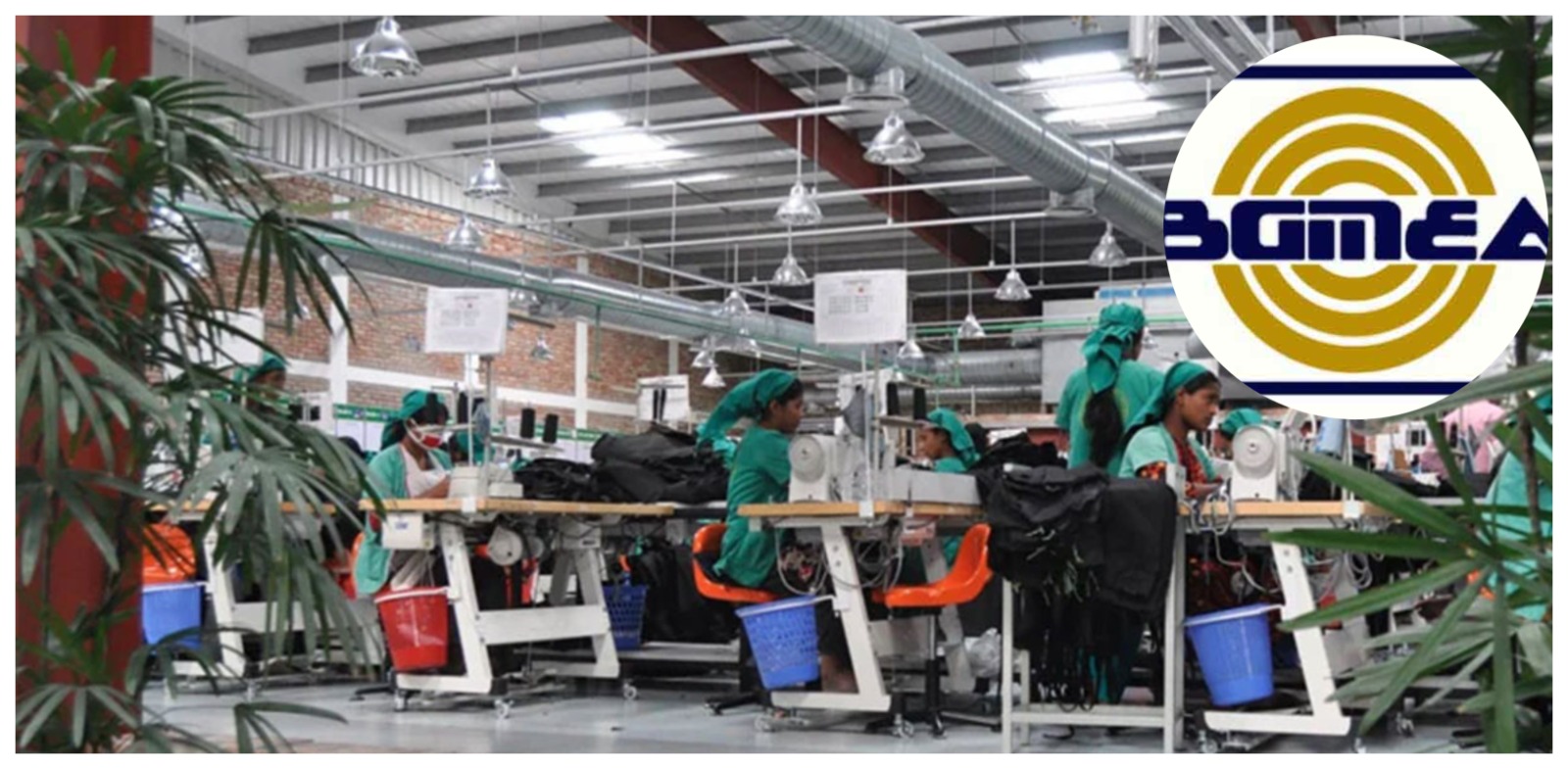
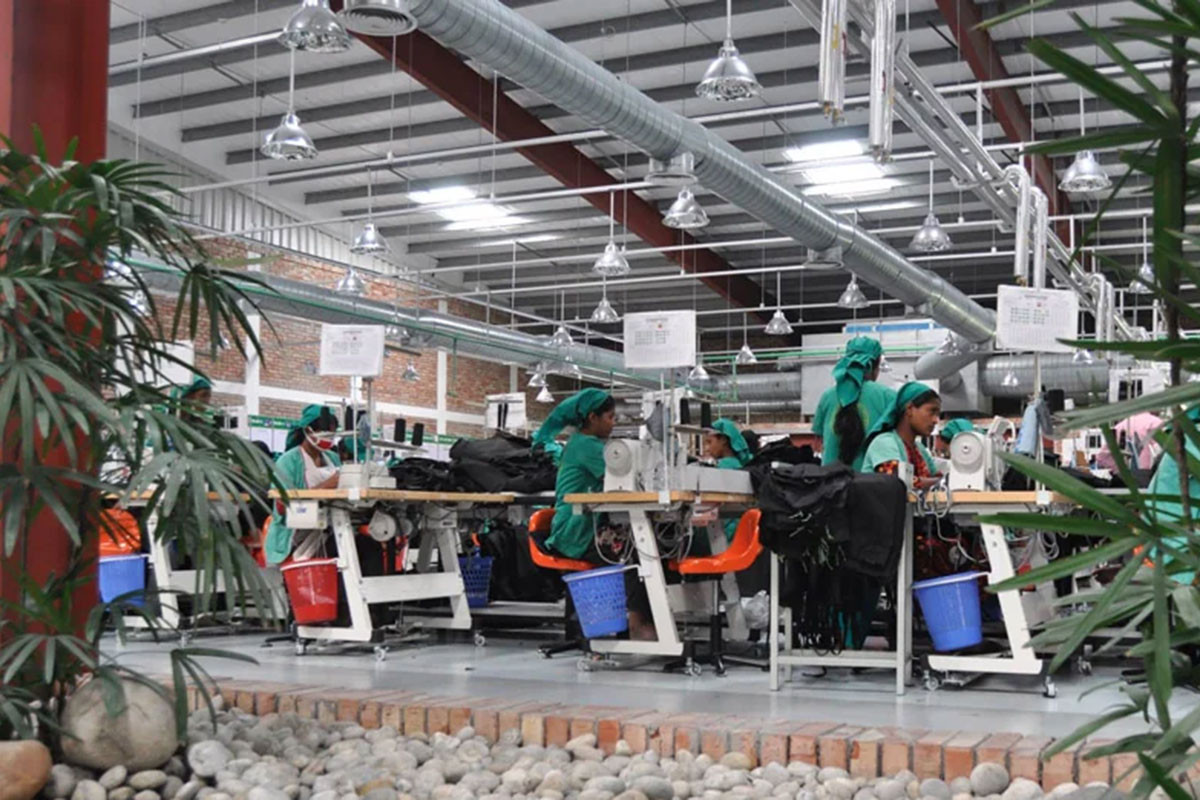
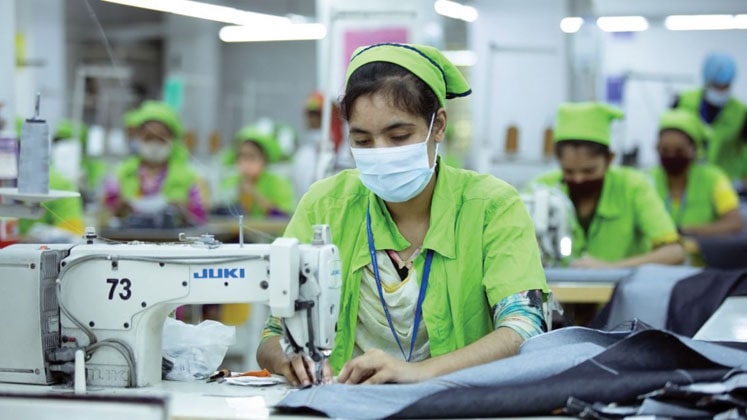
Despite retaining its position as the world’s second-largest apparel exporter, Bangladesh is struggling to capitalize on the global garment industry’s recovery, as international buyers continue to perceive the country primarily as a low-cost manufacturing destination.

Although global apparel trade expanded by 4.46% to $574.46 billion in the 2025–26 fiscal year, Bangladesh’s ready-made garment (RMG) exports grew by only 0.89%, significantly trailing competitors such as Vietnam (10.53%) and Cambodia (16.88%), according to industry data.

Industry leaders, economists and exporters say the weak performance reflects deep-rooted structural challenges rather than temporary issues such as energy shortages, high financing costs or supply chain disruptions.

They argue that Bangladesh remains locked into an image of producing low-cost, high-volume apparel, making it difficult for manufacturers to secure premium prices for technical garments, functional apparel and other value-added products.

“International buyers still operate under the assumption that Bangladesh means cheap production,” said Mostafiz Uddin, founder and chief executive of Bangladesh Apparel Exchange.

He noted that buyers often demand price reductions on sophisticated products while willingly paying higher prices for identical items sourced from competing countries.

Industry insiders also blame intense price competition among local manufacturers, who frequently undercut one another to secure export orders.

A senior official of the Bangladesh Garment Manufacturers and Exporters Association (BGMEA) said buyers sometimes offer as little as $5 for heavy winter jackets—prices that barely cover production costs.

“Factories continue accepting orders with little or no profit simply to keep production lines operational,” the official said, adding that this leaves little room for investment in technology, innovation or sustainability.

Economists warn that Bangladesh is also losing competitiveness because of its heavy dependence on imported synthetic fabrics, chemicals and specialized raw materials, resulting in longer production lead times.

According to Fahmida Khatun, Executive Director of the Centre for Policy Dialogue (CPD), global buyers now prioritize rapid delivery, digital traceability, environmental compliance and supply chain transparency alongside competitive pricing.

“The global apparel market has fundamentally changed,” she said. “Bangladesh must strengthen its backward linkage industries to remain competitive.”

CPD Research Director Khondaker Golam Moazzem stressed that Bangladesh must move beyond its reputation as a source of cheap labor by investing in technical textiles, synthetic fibers, automation and innovation.

He warned that continued dependence on basic cut-and-sew manufacturing would leave the country’s apparel sector increasingly vulnerable to more integrated and technologically advanced competitors.

Analysts say Bangladesh’s long-term competitiveness will depend on coordinated investments in synthetic fiber production, advanced textile manufacturing, automation, green technologies and stronger strategic partnerships with global fashion brands.

Without such structural transformation, they caution, Bangladesh may retain its ranking as the world’s second-largest garment exporter by volume while steadily losing ground in the industry’s fastest-growing and most profitable market segments.

Bangladesh Trapped in the ‘Cheap Clothes’ Label

Update Time: 12:45:59 pm, Friday, 31 July 2026

Despite retaining its position as the world’s second-largest apparel exporter, Bangladesh is struggling to capitalize on the global garment industry’s recovery, as international buyers continue to perceive the country primarily as a low-cost manufacturing destination.

Although global apparel trade expanded by 4.46% to $574.46 billion in the 2025–26 fiscal year, Bangladesh’s ready-made garment (RMG) exports grew by only 0.89%, significantly trailing competitors such as Vietnam (10.53%) and Cambodia (16.88%), according to industry data.

Industry leaders, economists and exporters say the weak performance reflects deep-rooted structural challenges rather than temporary issues such as energy shortages, high financing costs or supply chain disruptions.

They argue that Bangladesh remains locked into an image of producing low-cost, high-volume apparel, making it difficult for manufacturers to secure premium prices for technical garments, functional apparel and other value-added products.

“International buyers still operate under the assumption that Bangladesh means cheap production,” said Mostafiz Uddin, founder and chief executive of Bangladesh Apparel Exchange.

He noted that buyers often demand price reductions on sophisticated products while willingly paying higher prices for identical items sourced from competing countries.

Industry insiders also blame intense price competition among local manufacturers, who frequently undercut one another to secure export orders.

A senior official of the Bangladesh Garment Manufacturers and Exporters Association (BGMEA) said buyers sometimes offer as little as $5 for heavy winter jackets—prices that barely cover production costs.

“Factories continue accepting orders with little or no profit simply to keep production lines operational,” the official said, adding that this leaves little room for investment in technology, innovation or sustainability.

Economists warn that Bangladesh is also losing competitiveness because of its heavy dependence on imported synthetic fabrics, chemicals and specialized raw materials, resulting in longer production lead times.

According to Fahmida Khatun, Executive Director of the Centre for Policy Dialogue (CPD), global buyers now prioritize rapid delivery, digital traceability, environmental compliance and supply chain transparency alongside competitive pricing.

“The global apparel market has fundamentally changed,” she said. “Bangladesh must strengthen its backward linkage industries to remain competitive.”

CPD Research Director Khondaker Golam Moazzem stressed that Bangladesh must move beyond its reputation as a source of cheap labor by investing in technical textiles, synthetic fibers, automation and innovation.

He warned that continued dependence on basic cut-and-sew manufacturing would leave the country’s apparel sector increasingly vulnerable to more integrated and technologically advanced competitors.

Analysts say Bangladesh’s long-term competitiveness will depend on coordinated investments in synthetic fiber production, advanced textile manufacturing, automation, green technologies and stronger strategic partnerships with global fashion brands.

Without such structural transformation, they caution, Bangladesh may retain its ranking as the world’s second-largest garment exporter by volume while steadily losing ground in the industry’s fastest-growing and most profitable market segments.