Dhaka 9:56 pm, Monday, 9 November 2026
Hospitals to be established in Tongi, Ashulia, Kaliakair, Narayanganj, Savar and Chattogram

Six 100-Bed Hospitals for Workers to Be Built in Industrial Zones: PM

  • News desk
  • Update Time: 09:33:15 pm, Monday, 9 November 2026
  • 1 Read

The government has planned to construct six specialised 100-bed hospitals in major industrial zones across the country to ensure quality healthcare for working people. Initially, the hospitals will be established in Tongi, Ashulia and Kaliakair in Gazipur, Narayanganj, Savar in Dhaka and Chattogram. The facilities will exclusively provide medical services to workers.

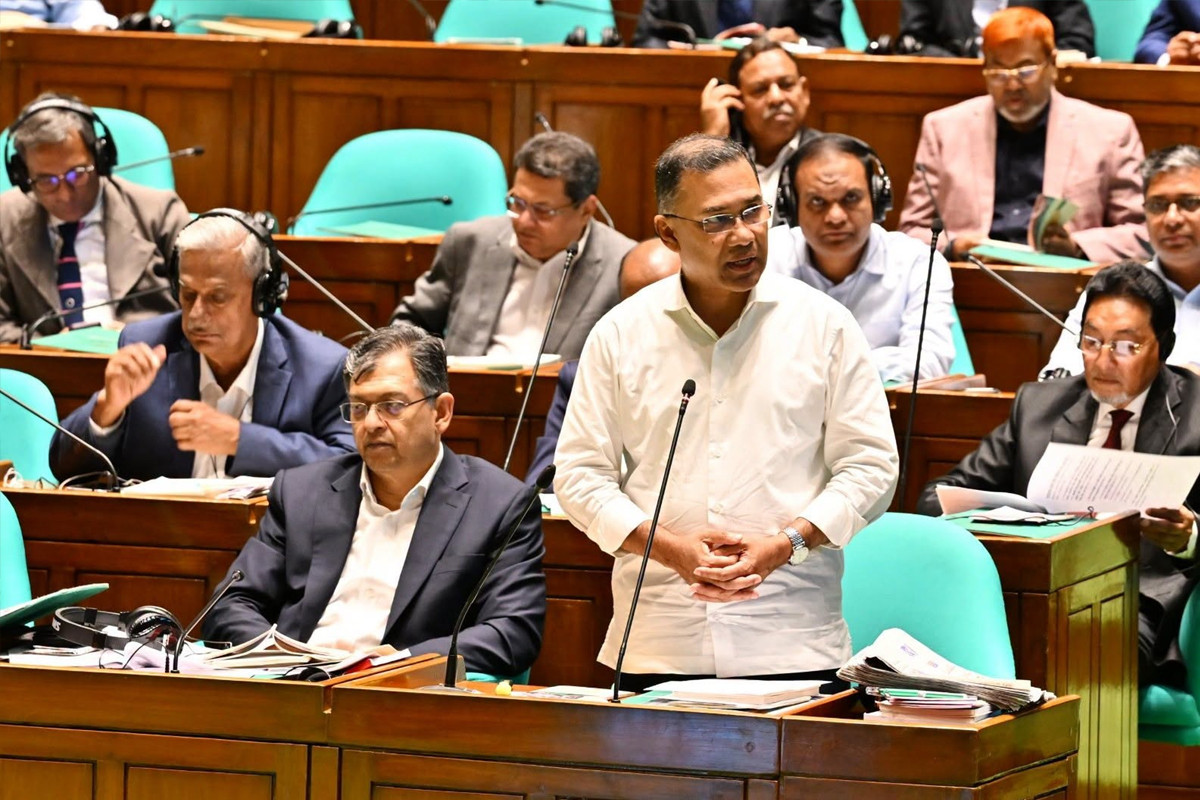
Prime Minister Tarique Rahman announced the plan on Monday while responding to an unscheduled question from Member of Parliament Shamchur Rahman Shimul Biswas on the first day of the fourth session of the 13th National Parliament. Deputy Speaker Barrister Kaiser Kamal presided over the session.

Highlighting the government’s special initiatives for working people, the Prime Minister said ensuring proper healthcare for workers was one of the government’s top priorities. As part of this effort, an initial decision had been taken to construct six dedicated 100-bed hospitals in the country’s major industrial areas.

He said the government would initially build one hospital each in Tongi, Ashulia, Kaliakair, Narayanganj, Savar and Chattogram. These hospitals would provide medical services exclusively to workers. Their naming and construction processes would also be designed with workers’ specialised healthcare needs in mind.

In his parliamentary speech, the Prime Minister also highlighted the country’s past political situation and challenges in various sectors. He alleged that during the previous authoritarian regime, the country’s energy, industrial and healthcare sectors had been systematically weakened and rendered ineffective. Instead of properly utilising domestic mineral resources, the energy sector had been made entirely dependent on imports.

Referring to obstacles to industrial development, he said certain policies adopted in the past had prevented the country’s industries from developing naturally. He also alleged that the healthcare system had gradually been undermined.

In particular, healthcare services in rural areas, which had made some progress under previous democratic governments, were pushed towards collapse during the authoritarian regime.

He further said the country’s healthcare system had been brought to such a state that Bangladeshis were compelled to travel to a particular country for medical treatment.

Reiterating the government’s commitment to public welfare and accountability, Tarique Rahman said the current government had been elected through the direct votes of people from all walks of life. Therefore, it was working relentlessly to ensure the rights and facilities of every section of society, including workers.

The Prime Minister also noted that the Leader of the Opposition had recently expressed concern over the country’s healthcare system during a parliamentary session. Considering the overall situation, the government had decided to move forward with the hospital construction plan to protect workers’ rights and ensure access to proper medical care.


Hospitals to be established in Tongi, Ashulia, Kaliakair, Narayanganj, Savar and Chattogram

Six 100-Bed Hospitals for Workers to Be Built in Industrial Zones: PM

Update Time: 09:33:15 pm, Monday, 9 November 2026

The government has planned to construct six specialised 100-bed hospitals in major industrial zones across the country to ensure quality healthcare for working people. Initially, the hospitals will be established in Tongi, Ashulia and Kaliakair in Gazipur, Narayanganj, Savar in Dhaka and Chattogram. The facilities will exclusively provide medical services to workers.

Prime Minister Tarique Rahman announced the plan on Monday while responding to an unscheduled question from Member of Parliament Shamchur Rahman Shimul Biswas on the first day of the fourth session of the 13th National Parliament. Deputy Speaker Barrister Kaiser Kamal presided over the session.

Highlighting the government’s special initiatives for working people, the Prime Minister said ensuring proper healthcare for workers was one of the government’s top priorities. As part of this effort, an initial decision had been taken to construct six dedicated 100-bed hospitals in the country’s major industrial areas.

He said the government would initially build one hospital each in Tongi, Ashulia, Kaliakair, Narayanganj, Savar and Chattogram. These hospitals would provide medical services exclusively to workers. Their naming and construction processes would also be designed with workers’ specialised healthcare needs in mind.

In his parliamentary speech, the Prime Minister also highlighted the country’s past political situation and challenges in various sectors. He alleged that during the previous authoritarian regime, the country’s energy, industrial and healthcare sectors had been systematically weakened and rendered ineffective. Instead of properly utilising domestic mineral resources, the energy sector had been made entirely dependent on imports.

Referring to obstacles to industrial development, he said certain policies adopted in the past had prevented the country’s industries from developing naturally. He also alleged that the healthcare system had gradually been undermined.

In particular, healthcare services in rural areas, which had made some progress under previous democratic governments, were pushed towards collapse during the authoritarian regime.

He further said the country’s healthcare system had been brought to such a state that Bangladeshis were compelled to travel to a particular country for medical treatment.

Reiterating the government’s commitment to public welfare and accountability, Tarique Rahman said the current government had been elected through the direct votes of people from all walks of life. Therefore, it was working relentlessly to ensure the rights and facilities of every section of society, including workers.

The Prime Minister also noted that the Leader of the Opposition had recently expressed concern over the country’s healthcare system during a parliamentary session. Considering the overall situation, the government had decided to move forward with the hospital construction plan to protect workers’ rights and ensure access to proper medical care.