Dhaka 3:03 pm, Monday, 9 November 2026

Bangladesh must strengthen its collective voice at COP31, says Shama Obaed Islam

The government, private sector, civil society and experts must work together to bridge the gap between Bangladesh’s expectations and achievements in international climate negotiations, State Minister for Foreign Affairs Shama Obaed Islam has said.

She also urged developed countries to fulfil their climate finance commitments and provide grant-based assistance to reduce the debt burden on climate-vulnerable nations.

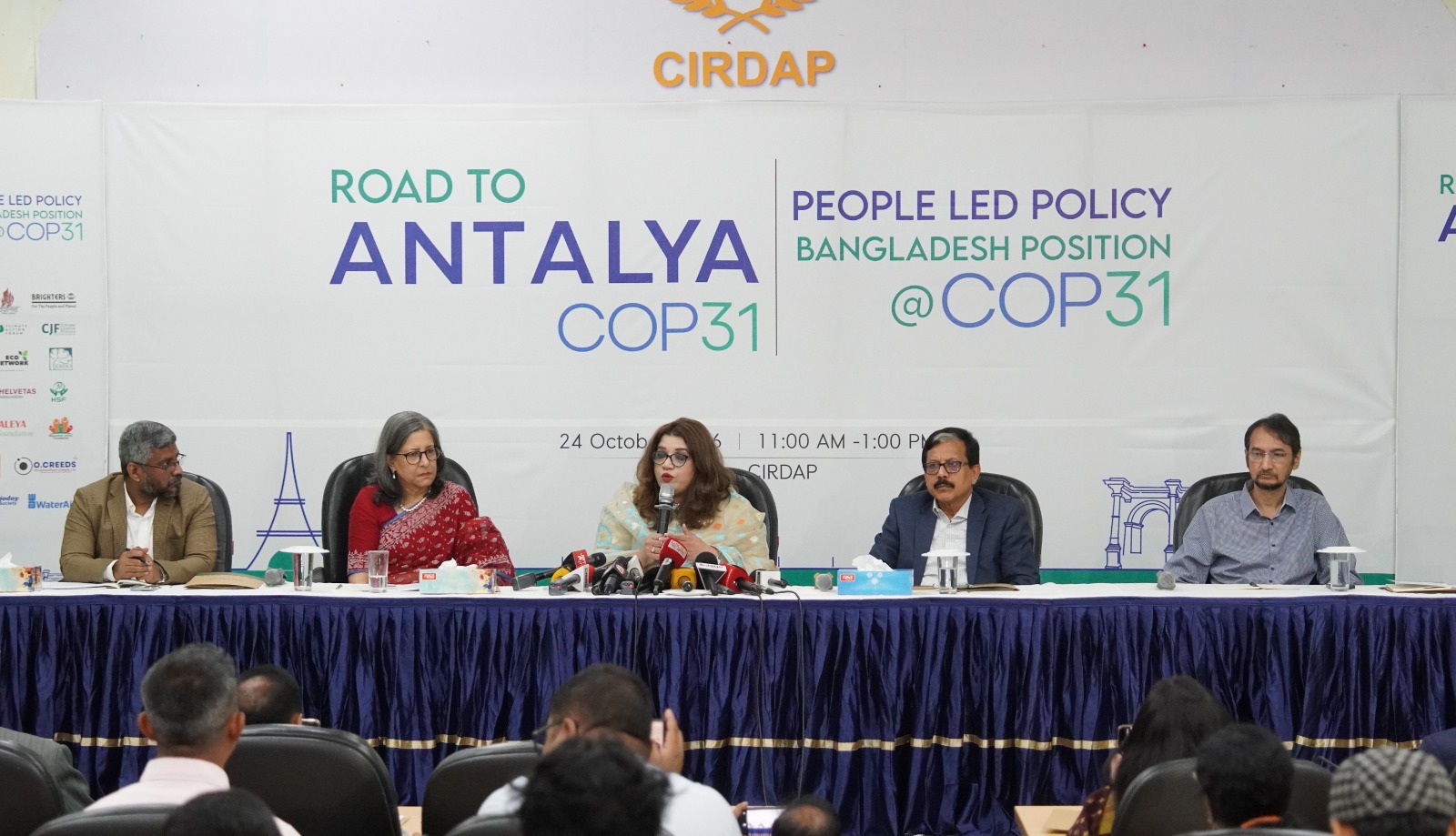
The state minister made the call while addressing a national dialogue titled “People-Centred Climate Policy: Bangladesh’s Position at COP31” as the chief guest at the CIRDAP auditorium in the capital on Saturday.

The dialogue was organised through a joint initiative of 33 national and international organisations and civil society groups working on climate issues in Bangladesh. It highlighted the key demands and recommendations outlined in the country’s position paper on climate change ahead of the upcoming United Nations climate conference, COP31.

Shama Obaed Islam said that, a decade after the Paris Climate Agreement, it was essential to ensure progress in implementation alongside commitments. Bangladesh needs adequate financing to address the losses and damage caused by climate change, she said, stressing the need to give equal importance to adaptation and mitigation while improving transparency in international negotiations.

She said initiatives had been taken to strengthen coordination between the Ministry of Foreign Affairs and the ministry responsible for environment and climate issues. She also expressed interest in involving young climate activists in the process.

The state minister said Bangladesh planned to showcase the potential of environmentally friendly jute products at COP31 through a dedicated “Jute Pavilion”. The initiative could help expand the global market for jute products while creating opportunities to improve the livelihoods of local farmers, she added.

Speaking as a special guest, Mirza Shawkat Ali, director of the Department of Environment, said initiatives were underway to reduce emissions in the industrial sector. He stressed the importance of reliable evidence, data and specific plans to present Bangladesh’s demands effectively in international negotiations.

In her concluding remarks, Farah Kabir, country director of ActionAid Bangladesh, emphasised collective efforts to secure grant-based climate finance instead of loans.

She said Bangladesh was among the countries most affected by climate change and called for a united effort at international conferences to secure financial assistance in the form of grants rather than adding to the country’s debt burden.

In her welcome address, Dr SM Manjurul Hannan Khan, executive director of Nature Conservation Management (NACOM), highlighted the need for integrated planning.

He said it was time to assess the progress made in implementing the Paris Agreement after 10 years. Although Bangladesh was working to implement its Nationally Determined Contributions (NDCs), clear and coordinated plans were needed in climate finance, the blue economy, waste management and tackling heat stress in urban areas.

The dialogue underscored the need to secure climate finance, ensure a just transition and strengthen Bangladesh’s collective position in international climate negotiations.


Bangladesh must strengthen its collective voice at COP31, says Shama Obaed Islam

Update Time: 06:44:31 pm, Saturday, 24 October 2026

The government, private sector, civil society and experts must work together to bridge the gap between Bangladesh’s expectations and achievements in international climate negotiations, State Minister for Foreign Affairs Shama Obaed Islam has said.

She also urged developed countries to fulfil their climate finance commitments and provide grant-based assistance to reduce the debt burden on climate-vulnerable nations.

The state minister made the call while addressing a national dialogue titled “People-Centred Climate Policy: Bangladesh’s Position at COP31” as the chief guest at the CIRDAP auditorium in the capital on Saturday.

The dialogue was organised through a joint initiative of 33 national and international organisations and civil society groups working on climate issues in Bangladesh. It highlighted the key demands and recommendations outlined in the country’s position paper on climate change ahead of the upcoming United Nations climate conference, COP31.

Shama Obaed Islam said that, a decade after the Paris Climate Agreement, it was essential to ensure progress in implementation alongside commitments. Bangladesh needs adequate financing to address the losses and damage caused by climate change, she said, stressing the need to give equal importance to adaptation and mitigation while improving transparency in international negotiations.

She said initiatives had been taken to strengthen coordination between the Ministry of Foreign Affairs and the ministry responsible for environment and climate issues. She also expressed interest in involving young climate activists in the process.

The state minister said Bangladesh planned to showcase the potential of environmentally friendly jute products at COP31 through a dedicated “Jute Pavilion”. The initiative could help expand the global market for jute products while creating opportunities to improve the livelihoods of local farmers, she added.

Speaking as a special guest, Mirza Shawkat Ali, director of the Department of Environment, said initiatives were underway to reduce emissions in the industrial sector. He stressed the importance of reliable evidence, data and specific plans to present Bangladesh’s demands effectively in international negotiations.

In her concluding remarks, Farah Kabir, country director of ActionAid Bangladesh, emphasised collective efforts to secure grant-based climate finance instead of loans.

She said Bangladesh was among the countries most affected by climate change and called for a united effort at international conferences to secure financial assistance in the form of grants rather than adding to the country’s debt burden.

In her welcome address, Dr SM Manjurul Hannan Khan, executive director of Nature Conservation Management (NACOM), highlighted the need for integrated planning.

He said it was time to assess the progress made in implementing the Paris Agreement after 10 years. Although Bangladesh was working to implement its Nationally Determined Contributions (NDCs), clear and coordinated plans were needed in climate finance, the blue economy, waste management and tackling heat stress in urban areas.

The dialogue underscored the need to secure climate finance, ensure a just transition and strengthen Bangladesh’s collective position in international climate negotiations.