
 Staff Correspondent
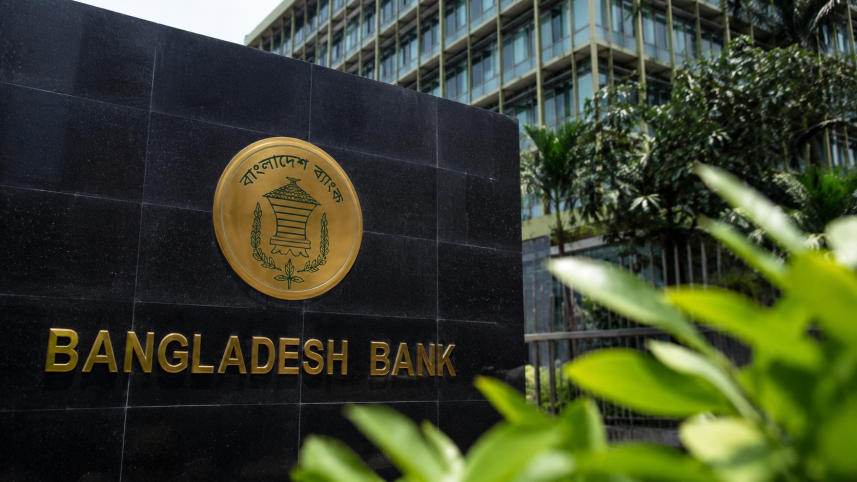
Bangladesh could save substantial costs by increasing digital transactions instead of relying on cash, according to a study by Bangladesh Bank. The research found that the annual cost of cash transactions is approximately 28 times higher than that of digital payments.
The findings were published in a study titled *“The Cost of Cash Study in Bangladesh: A Comparative Analysis of Cash and Digital Payment.”* According to the research, the annual cost of cash transactions in Bangladesh stood at around Tk 170,000 crore in 2023, equivalent to 3.24 per cent of the country’s gross domestic product (GDP). In contrast, the annual cost of digital transactions was Tk 5,964 crore, or just 0.11 per cent of GDP.
On a per capita basis, the annual cost of cash transactions was Tk 9,938, compared with only Tk 348 for digital transactions.
Bangladesh Bank Executive Director Md. Sirajul Islam told BSS that cash management involves substantial expenses. The central bank incurs costs ranging from importing raw materials for banknote production to printing, transporting and maintaining the circulation of currency.
He said banknotes become worn, damaged and torn through regular use, requiring replacement with newly printed notes. This creates recurring costs for the economy. Increasing digital payments could reduce these expenses while helping curb corruption, theft and misuse of money through better transaction records.
The study found that banks incur around Tk 36,800 crore annually in costs related to cash transactions, equivalent to 0.70 per cent of GDP. Consumers bear an additional annual cost of approximately Tk 28,000 crore, or 0.53 per cent of GDP. Bangladesh Bank’s own annual cash management expenses amount to around Tk 400 crore.
These costs include printing and distributing currency, transportation and security, operating bank branches and automated teller machines (ATMs), and the value of time people spend withdrawing, carrying and using cash.
The study also highlighted potential government revenue losses caused by the shadow economy, estimating them at Tk 93,300 crore annually. This represents 1.77 per cent of GDP and 54.76 per cent of the estimated total cost of cash transactions. Even excluding these potential revenue losses, cash transactions cost approximately 12 times more than digital payments.
However, digital payment systems also face financial challenges. According to the study, the sector generates an estimated Tk 2,300 crore in annual revenue against operating costs of Tk 5,964 crore, leaving a shortfall of approximately Tk 3,664 crore.
Major barriers to expanding digital payments include high merchant fees, delays in transaction settlement, limited interoperability among payment systems and unreliable internet connectivity. Fraud, failed transactions, transfers to incorrect accounts and limited digital literacy also discourage consumers and businesses from adopting electronic payments.
Despite the expansion of mobile financial services and electronic fund transfers, more than 80 per cent of all transactions by volume in Bangladesh are still conducted in cash, the study found.
For small businesses in particular, transaction fees remain a significant obstacle. Since their profit margins are often low, additional digital payment charges can further reduce earnings. The study stressed the need to provide merchants with clear information about transaction fees, settlement procedures and processing times.
It also emphasised that building public confidence in digital payments requires reliable services, accessible complaint mechanisms, prompt dispute resolution and stronger protection against fraud. Affordable services, dependable internet connectivity, user-friendly systems and greater public awareness are also essential.
To improve interoperability, Bangladesh Bank has introduced Bangla QR as a national standard for QR-code-based digital payments. The central bank set the interchange reimbursement fee for Bangla QR transactions at zero per cent from October 1, 2026, to make the system more attractive to merchants.
The study recommended expanding digital payment infrastructure while addressing practical barriers to adoption. It called for coordinated efforts involving Bangladesh Bank, commercial banks, payment service providers, businesses and consumers.
According to the findings, expanding digital transactions offers significant potential to reduce costs across the economy. However, achieving the full benefits will require digital payment services to become accessible, affordable and reliable for people and businesses across all segments of society.
BSS