Dhaka 3:18 pm, Monday, 9 November 2026

Ziaur Rahman and Khaleda Zia’s Contributions to Women’s Empowerment

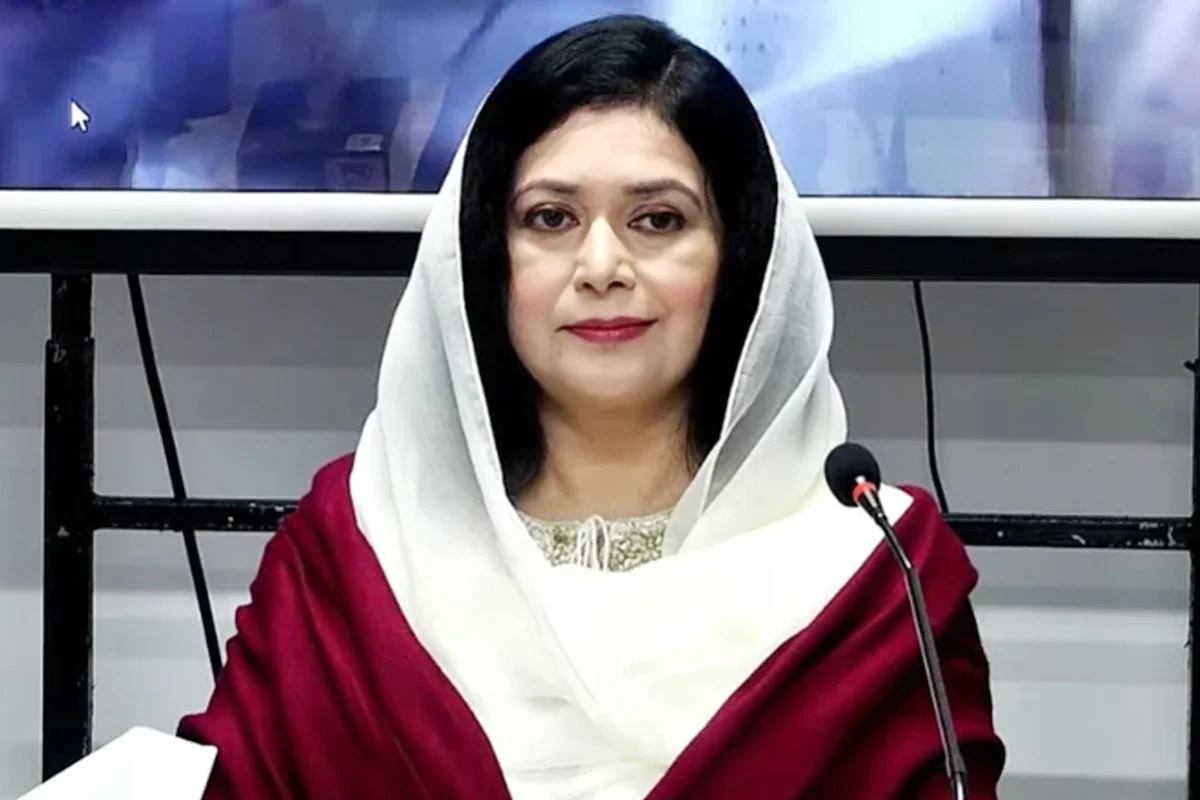
Highlighting the contributions of Shaheed President Ziaur Rahman and former Prime Minister Begum Khaleda Zia to women’s empowerment, Dr Zubaida said their roles in rural development, family planning and women’s education had helped improve opportunities for women.

She said Shaheed President Ziaur Rahman’s emphasis on rural development, public participation and family planning had helped lay the foundations for social development.

She also noted that Begum Khaleda Zia’s introduction of stipends for female students, particularly at the secondary level, had opened new opportunities for generations of young women.

Dr Zubaida highlighted the importance of reducing preventable deaths from cancers affecting women and outlined Bangladesh’s new women’s health initiative.

She expressed gratitude to the United Nations Population Fund (UNFPA) and the European Investment Bank (EIB) for their partnership in the initiative.

Emphasising the rights of women and girls, she said every girl in Bangladesh deserved a safe childhood, every mother deserved to give birth safely, and every woman in both rural and urban areas should have the opportunity to lead a long and productive life.

Dr Zubaida attended the World Health Summit session as a distinguished guest. Representatives from governments, development finance institutions, international health organisations and the private sector discussed new financing opportunities for women’s health beyond traditional aid.

Other participants included UNFPA Executive Director Diene Keita, Ghanaian Health Minister Kwabena Mintah Akandoh, EIB Vice-President Marek Mora, Birgit Pickel of Germany’s Federal Ministry for Economic Cooperation and Development, and Dr SM Ziauddin Haider, Special Assistant to the Prime Minister on Health, among others.

Alongside the summit, the Bangladeshi delegation also took part in discussions on sustainable health financing and South-South cooperation in midwifery.

The delegation held meetings with international healthcare organisations and private-sector partners to strengthen cooperation in women’s health and reproductive healthcare. These included Bayer, Roche, the Berlin Institute of Health and Charité – Universitätsmedizin Berlin.

€250 Million EIB Loan Restructured for Women’s Health Initiative

Meanwhile, one of the key outcomes associated with Bangladesh’s participation in the World Health Summit was the announcement of an agreement to restructure a €250 million sovereign loan from the European Investment Bank for use in a women’s health initiative.

The initiative aims to bring approximately 47 million women and adolescent girls under healthcare services between 2027 and 2031.

UNFPA will work in partnership with the government to implement the initiative.

Ziaur Rahman and Khaleda Zia’s Contributions to Women’s Empowerment

Update Time: 09:36:19 pm, Monday, 12 October 2026

Highlighting the contributions of Shaheed President Ziaur Rahman and former Prime Minister Begum Khaleda Zia to women’s empowerment, Dr Zubaida said their roles in rural development, family planning and women’s education had helped improve opportunities for women.

She said Shaheed President Ziaur Rahman’s emphasis on rural development, public participation and family planning had helped lay the foundations for social development.

She also noted that Begum Khaleda Zia’s introduction of stipends for female students, particularly at the secondary level, had opened new opportunities for generations of young women.

Dr Zubaida highlighted the importance of reducing preventable deaths from cancers affecting women and outlined Bangladesh’s new women’s health initiative.

She expressed gratitude to the United Nations Population Fund (UNFPA) and the European Investment Bank (EIB) for their partnership in the initiative.

Emphasising the rights of women and girls, she said every girl in Bangladesh deserved a safe childhood, every mother deserved to give birth safely, and every woman in both rural and urban areas should have the opportunity to lead a long and productive life.

Dr Zubaida attended the World Health Summit session as a distinguished guest. Representatives from governments, development finance institutions, international health organisations and the private sector discussed new financing opportunities for women’s health beyond traditional aid.

Other participants included UNFPA Executive Director Diene Keita, Ghanaian Health Minister Kwabena Mintah Akandoh, EIB Vice-President Marek Mora, Birgit Pickel of Germany’s Federal Ministry for Economic Cooperation and Development, and Dr SM Ziauddin Haider, Special Assistant to the Prime Minister on Health, among others.

Alongside the summit, the Bangladeshi delegation also took part in discussions on sustainable health financing and South-South cooperation in midwifery.

The delegation held meetings with international healthcare organisations and private-sector partners to strengthen cooperation in women’s health and reproductive healthcare. These included Bayer, Roche, the Berlin Institute of Health and Charité – Universitätsmedizin Berlin.

€250 Million EIB Loan Restructured for Women’s Health Initiative

Meanwhile, one of the key outcomes associated with Bangladesh’s participation in the World Health Summit was the announcement of an agreement to restructure a €250 million sovereign loan from the European Investment Bank for use in a women’s health initiative.

The initiative aims to bring approximately 47 million women and adolescent girls under healthcare services between 2027 and 2031.

UNFPA will work in partnership with the government to implement the initiative.