
 Staff Correspondent
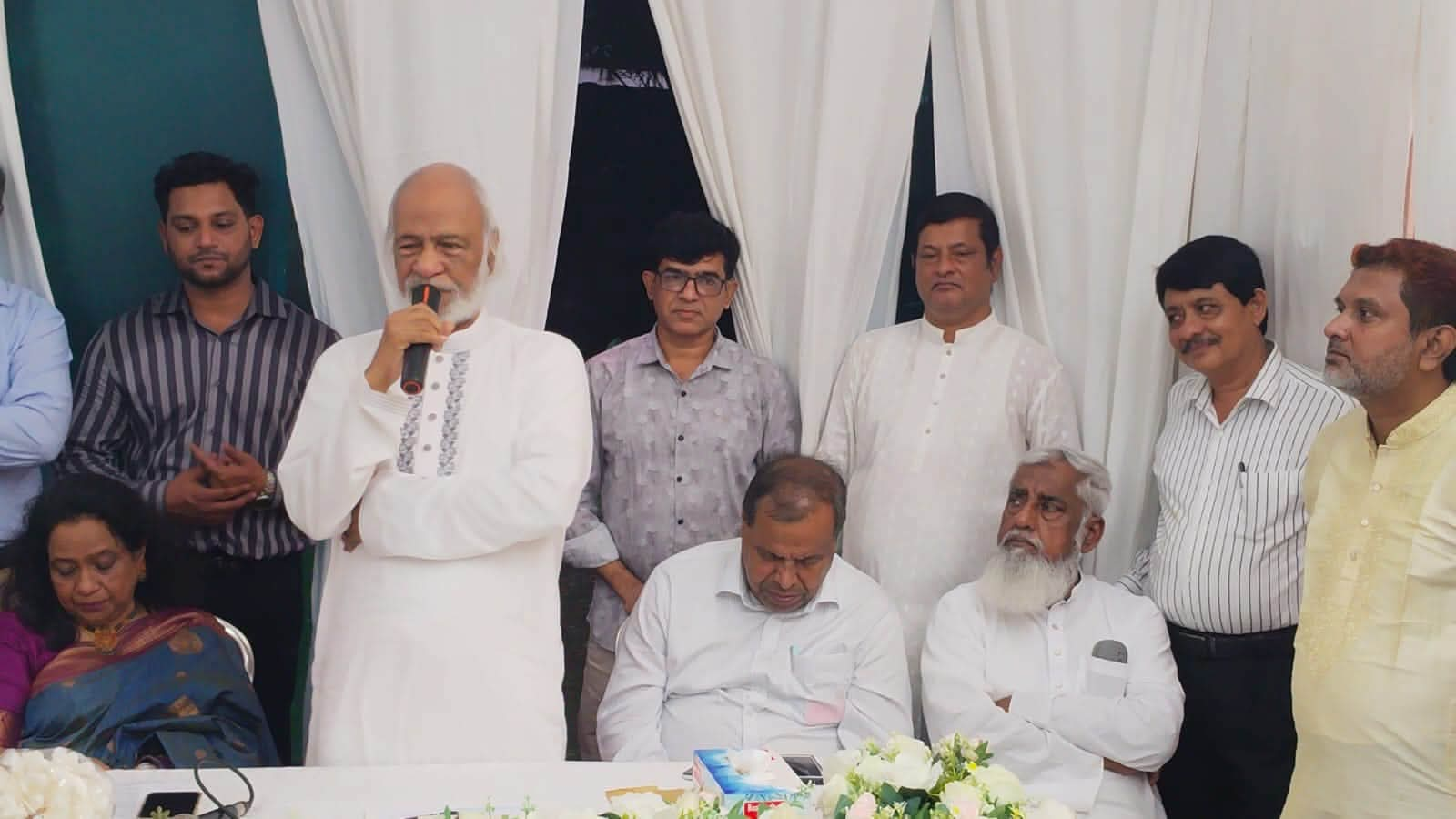
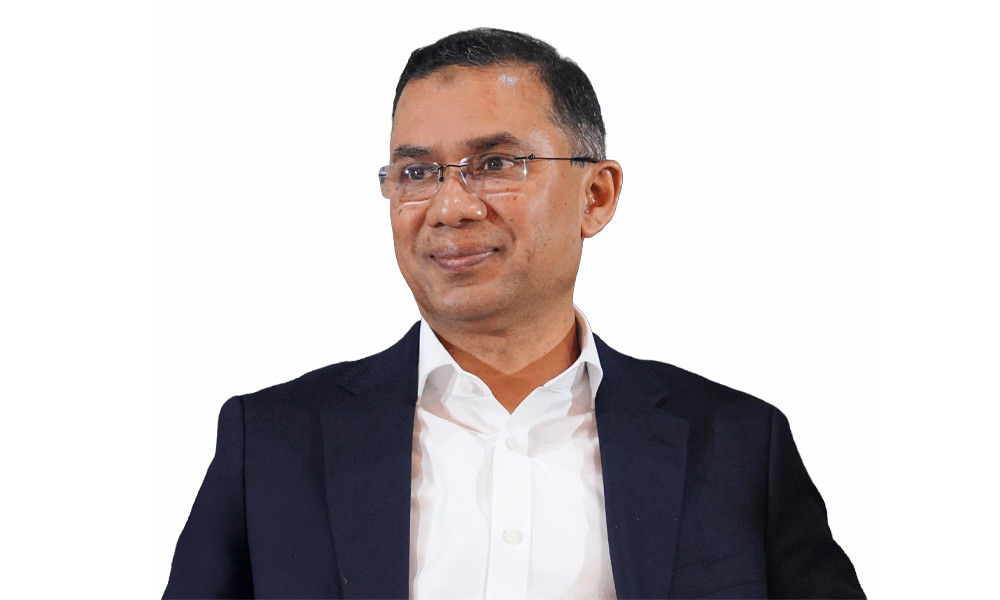
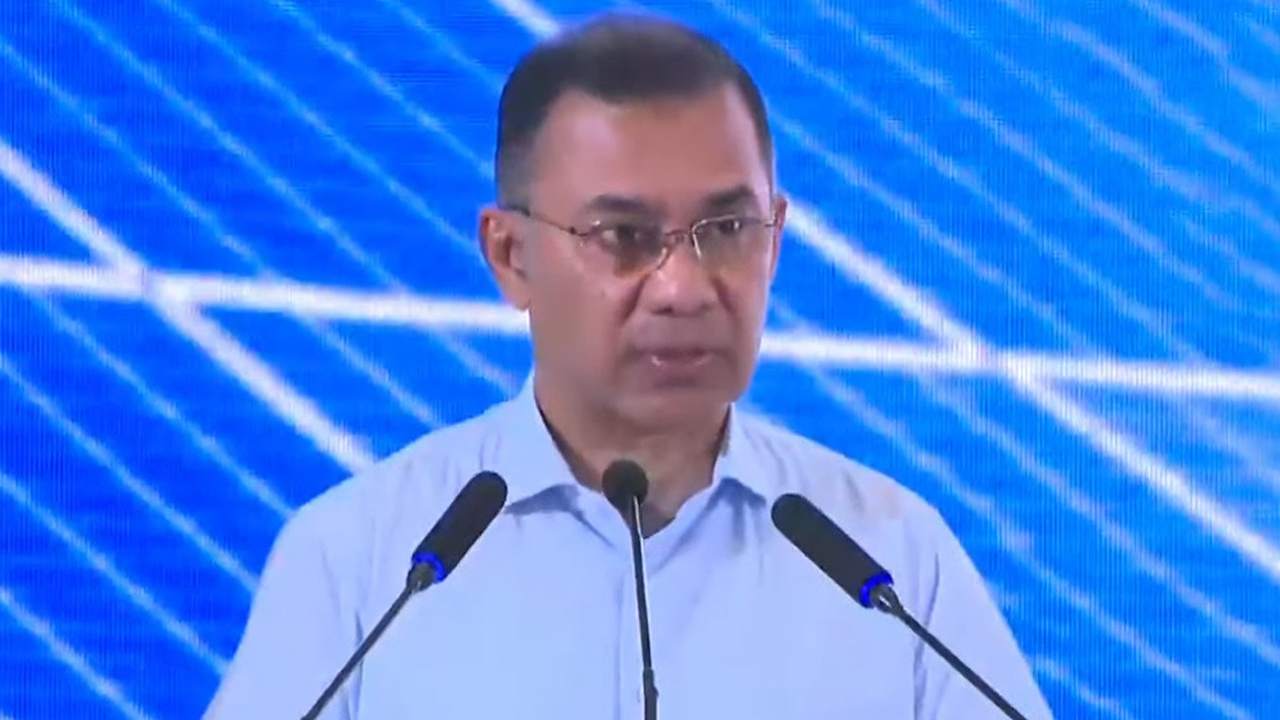
Politics should not be about merely gaining power; rather, it must focus on establishing people’s rights and ensuring public welfare, Local Government, Rural Development and Cooperatives Minister Dr Abdul Moin Khan has said.
He stressed that democracy must be strengthened by establishing it at the grassroots level and ensuring accountability of elected representatives.
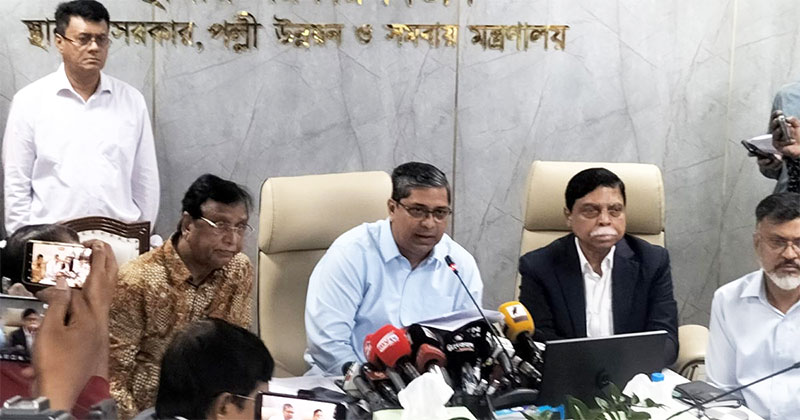
The minister made the remarks as the chief guest at a discussion with teachers of The Millennium University on the occasion of National Teachers’ Day 2026. The meeting was held on Friday (October 9) in the office at his residence in Gulshan, Dhaka. Representatives of various NGOs also attended the event. The Khan Foundation’s website was launched on the occasion.
Dr Moin Khan said being able to represent the people was a great privilege. He said he had been trying to pursue politics guided by the same principles for nearly 35 years. Rather than seeking votes by spending personal money or offering hospitality, he had prioritised earning public acceptance.
He noted that elected representatives were accountable to the people, while citizens also had a responsibility to choose the right representatives.
The minister said the tendency to spend huge sums of money to win elections must change. Politics cannot follow the right path without the principle of serving the people, he added.
Describing local government as one of the key foundations of democracy, Dr Moin Khan said democracy could not function effectively at the national level unless it was established at the grassroots.
He identified reforming local government institutions, ensuring public services and holding elections across the five tiers of local government as major challenges ahead. He stressed the need to ensure that people could go to polling stations without fear and vote for candidates of their choice.
Expressing support for holding local government elections on a non-partisan basis, the minister said such a system could help reduce political divisions and mutual hostility at the local level. Although candidates may compete in elections, everyone must rise above partisan differences and work together for the country’s development and public welfare, he said.
Emphasising the role of NGOs in building society, Dr Moin Khan said Bangladeshi NGOs had made significant contributions to poverty alleviation, improving living standards and addressing various social issues.
He said the government and NGOs should share the common goal of ensuring public welfare. To make development initiatives more effective, coordination between local government institutions and NGOs must be strengthened, he added.
Advocate Rokhsana Khandaker, chairperson of the Board of Trustees of The Millennium University and chairperson of the Khan Foundation, said NGOs needed to maintain their own capabilities and independence in decision-making rather than relying entirely on donors.
Addressing the challenges posed by declining funding, she stressed the need to utilise local resources and strengthen cooperation between public and private institutions. She said development initiatives could be expanded and the role of NGOs in community development strengthened by utilising local resources, including government-owned khas land and ponds.
Among those present at the discussion were The Millennium University Vice-Chancellor Professor Dr Abhinoy Chandra Saha, Khan Foundation Executive Director Mahmuda Khatun, representatives of various NGOs, university teachers, and officials and employees of the Khan Foundation.