

Dhaka 3:06 pm, Monday, 9 November 2026

Blood Groups and Who Can Donate Blood to Whom

Blood is one of the most important connective tissues in the human body. It plays a vital role in carrying oxygen and nutrients to different parts of the body, fighting infections, and preventing excessive blood loss. A healthy adult generally has about 5 to 6 liters of blood in the body.

Blood consists mainly of two components: plasma and blood cells. Plasma is mostly water and contains glucose, amino acids, minerals, hormones, vitamins, antibodies, and various waste products. Blood cells include red blood cells, white blood cells, and platelets. Red blood cells transport oxygen through hemoglobin, white blood cells fight disease-causing organisms, and platelets help blood clot.

The commonly recognized blood groups are A+, A-, B+, B-, AB+, AB-, O+, and O-. Blood-group compatibility is extremely important during blood transfusion.

A+ blood can be given to people with A+ and AB+ blood groups and can receive blood from A+, A-, O+, and O- donors. A- blood can be given to A+, A-, AB+, and AB- recipients and can receive blood from A- and O- donors.

B+ blood can be given to B+ and AB+ recipients and can receive blood from B+, B-, O+, and O- donors. B- blood can be given to B+, B-, AB+, and AB- recipients and can receive blood from B- and O- donors.

AB+ blood can be given only to AB+ recipients. However, an AB+ person can receive red blood cells from all blood groups. AB- blood can be given to AB- and AB+ recipients and can receive blood from A-, B-, AB-, and O- donors.

O+ blood can be given to O+, A+, B+, and AB+ recipients and can receive blood from O+ and O- donors. O- red blood cells can generally be given to people of all ABO/Rh blood groups. Therefore, O- is commonly known as the universal red blood cell donor. On the other hand, AB+ is considered the universal red blood cell recipient.

However, in practice, blood transfusion should not rely on blood group alone. Blood typing, cross-matching, and appropriate screening for transfusion-transmitted infections are essential to ensure a safe transfusion.

Healthy and eligible adults can donate blood. However, age, body weight, hemoglobin level, overall health, and the time since the last donation are taken into consideration. Various conditions, including illness, blood-borne infections, and recent major surgery, may make a person temporarily or permanently ineligible to donate blood. Blood donation is not recommended during pregnancy.

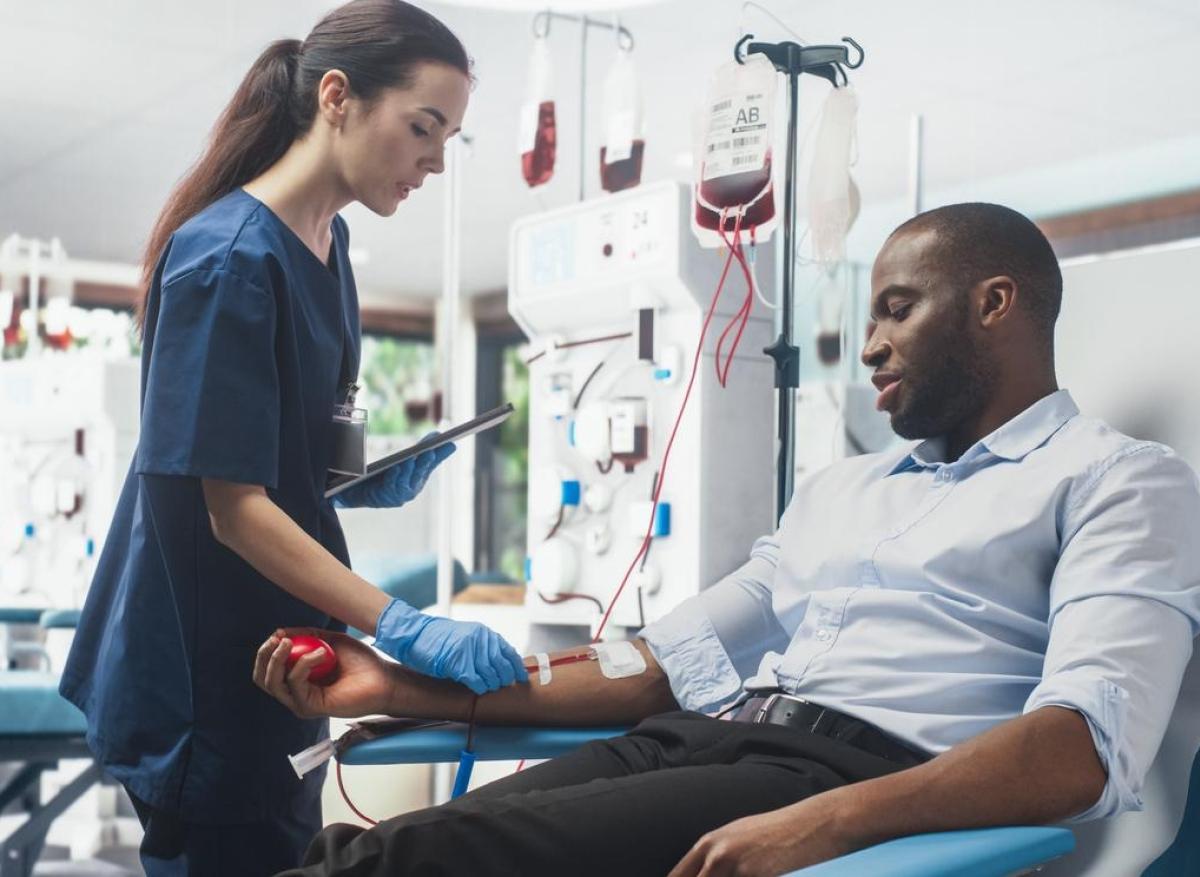
Before donating blood, donors should avoid donating on an empty stomach, drink enough water, and donate only at an authorized and reputable blood center. It is also important to ensure that sterile needles and other equipment are used. After donating blood, donors are advised to drink plenty of fluids and rest for a while.

According to medical experts, safe blood is essential for emergency patients, accident victims, surgical patients, and women requiring obstetric care. Therefore, voluntary blood donation by healthy individuals can play a vital role in saving lives.

Blood Groups and Who Can Donate Blood to Whom

Update Time: 08:26:04 pm, Thursday, 8 October 2026

Blood is one of the most important connective tissues in the human body. It plays a vital role in carrying oxygen and nutrients to different parts of the body, fighting infections, and preventing excessive blood loss. A healthy adult generally has about 5 to 6 liters of blood in the body.

Blood consists mainly of two components: plasma and blood cells. Plasma is mostly water and contains glucose, amino acids, minerals, hormones, vitamins, antibodies, and various waste products. Blood cells include red blood cells, white blood cells, and platelets. Red blood cells transport oxygen through hemoglobin, white blood cells fight disease-causing organisms, and platelets help blood clot.

The commonly recognized blood groups are A+, A-, B+, B-, AB+, AB-, O+, and O-. Blood-group compatibility is extremely important during blood transfusion.

A+ blood can be given to people with A+ and AB+ blood groups and can receive blood from A+, A-, O+, and O- donors. A- blood can be given to A+, A-, AB+, and AB- recipients and can receive blood from A- and O- donors.

B+ blood can be given to B+ and AB+ recipients and can receive blood from B+, B-, O+, and O- donors. B- blood can be given to B+, B-, AB+, and AB- recipients and can receive blood from B- and O- donors.

AB+ blood can be given only to AB+ recipients. However, an AB+ person can receive red blood cells from all blood groups. AB- blood can be given to AB- and AB+ recipients and can receive blood from A-, B-, AB-, and O- donors.

O+ blood can be given to O+, A+, B+, and AB+ recipients and can receive blood from O+ and O- donors. O- red blood cells can generally be given to people of all ABO/Rh blood groups. Therefore, O- is commonly known as the universal red blood cell donor. On the other hand, AB+ is considered the universal red blood cell recipient.

However, in practice, blood transfusion should not rely on blood group alone. Blood typing, cross-matching, and appropriate screening for transfusion-transmitted infections are essential to ensure a safe transfusion.

Healthy and eligible adults can donate blood. However, age, body weight, hemoglobin level, overall health, and the time since the last donation are taken into consideration. Various conditions, including illness, blood-borne infections, and recent major surgery, may make a person temporarily or permanently ineligible to donate blood. Blood donation is not recommended during pregnancy.

Before donating blood, donors should avoid donating on an empty stomach, drink enough water, and donate only at an authorized and reputable blood center. It is also important to ensure that sterile needles and other equipment are used. After donating blood, donors are advised to drink plenty of fluids and rest for a while.

According to medical experts, safe blood is essential for emergency patients, accident victims, surgical patients, and women requiring obstetric care. Therefore, voluntary blood donation by healthy individuals can play a vital role in saving lives.