Dhaka 3:25 pm, Monday, 9 November 2026

Referendum Needed to Scrap Caretaker Government System in Future: Home Minister

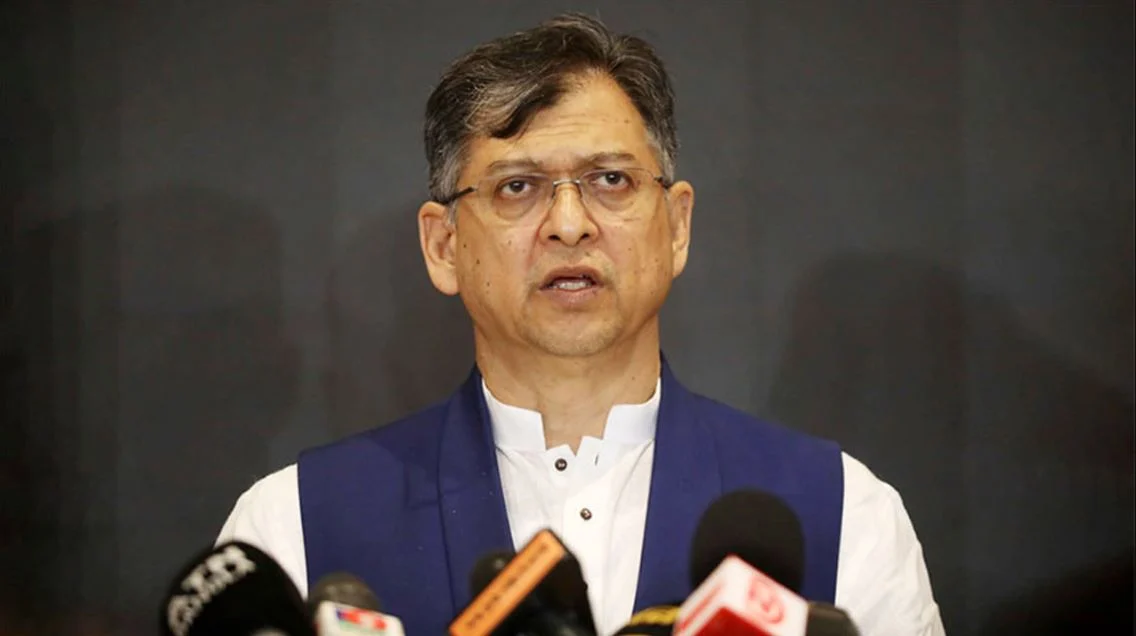
The caretaker government system will be restored in the Constitution in such a way that no future government or parliament can easily abolish it, Home Minister and chairman of the Special Committee on Constitutional Reform Salahuddin Ahmed has said.

He said a referendum would be required to abolish the system in the future, allowing the people to decide on the matter.

The minister made the remarks while speaking to journalists after a meeting of the Special Committee on Constitutional Reform at the Jatiya Sangsad Bhaban on Tuesday (October 6). The committee held an exchange of views with family members of those killed in the July mass uprising and injured July fighters during the meeting.

On restoring the caretaker government system, Salahuddin Ahmed said issues arising from the higher court’s verdicts would be reflected in the constitutional amendments. There could be some changes to the caretaker system, but no final decision has yet been made.

He said the committee would review proposals from the opposition and other stakeholders before reaching a final decision. However, the committee has a clear position that the president cannot serve as the head of a caretaker government.

The meeting also discussed constitutional recognition of the July mass uprising and legal protection for July fighters, he said. The demands raised by the families of those killed and injured fighters have been recorded by the committee.

Many issues included in the July Declaration have also been acknowledged by political parties, he said, adding that those issues need to be incorporated into the Constitution. The possibility of including them in a schedule is also being considered, which could help ensure legal protection for the July fighters.

Regarding the trials of those involved in the July killings, the home minister said the government is committed to completing the trials of Sheikh Hasina and others accused of involvement in the killings during the July mass uprising as quickly as possible. The judiciary will work independently, and the government will continue providing all necessary support. The government is also closely monitoring other cases.

On implementing the July National Charter, Salahuddin Ahmed said steps would be taken to implement it in the form in which it was signed. However, the provisions cannot be implemented by excluding the notes of dissent submitted by some parties. The special committee will try to incorporate the views of all sides in the constitutional reform process.

Regarding long marches announced by different groups demanding constitutional amendments, he said holding a long march is a democratic right and anyone can organize such a programme. However, the Constitution cannot be amended through a long march or any other programme. Constitutional amendments must follow the parliamentary legal process.


Referendum Needed to Scrap Caretaker Government System in Future: Home Minister

Update Time: 09:50:15 pm, Tuesday, 6 October 2026

The caretaker government system will be restored in the Constitution in such a way that no future government or parliament can easily abolish it, Home Minister and chairman of the Special Committee on Constitutional Reform Salahuddin Ahmed has said.

He said a referendum would be required to abolish the system in the future, allowing the people to decide on the matter.

The minister made the remarks while speaking to journalists after a meeting of the Special Committee on Constitutional Reform at the Jatiya Sangsad Bhaban on Tuesday (October 6). The committee held an exchange of views with family members of those killed in the July mass uprising and injured July fighters during the meeting.

On restoring the caretaker government system, Salahuddin Ahmed said issues arising from the higher court’s verdicts would be reflected in the constitutional amendments. There could be some changes to the caretaker system, but no final decision has yet been made.

He said the committee would review proposals from the opposition and other stakeholders before reaching a final decision. However, the committee has a clear position that the president cannot serve as the head of a caretaker government.

The meeting also discussed constitutional recognition of the July mass uprising and legal protection for July fighters, he said. The demands raised by the families of those killed and injured fighters have been recorded by the committee.

Many issues included in the July Declaration have also been acknowledged by political parties, he said, adding that those issues need to be incorporated into the Constitution. The possibility of including them in a schedule is also being considered, which could help ensure legal protection for the July fighters.

Regarding the trials of those involved in the July killings, the home minister said the government is committed to completing the trials of Sheikh Hasina and others accused of involvement in the killings during the July mass uprising as quickly as possible. The judiciary will work independently, and the government will continue providing all necessary support. The government is also closely monitoring other cases.

On implementing the July National Charter, Salahuddin Ahmed said steps would be taken to implement it in the form in which it was signed. However, the provisions cannot be implemented by excluding the notes of dissent submitted by some parties. The special committee will try to incorporate the views of all sides in the constitutional reform process.

Regarding long marches announced by different groups demanding constitutional amendments, he said holding a long march is a democratic right and anyone can organize such a programme. However, the Constitution cannot be amended through a long march or any other programme. Constitutional amendments must follow the parliamentary legal process.