

Dhaka 3:03 pm, Monday, 9 November 2026
Illegal Fine-Mesh Nets Threaten the Future of Hilsa

Juvenile fish caught in banned nets as hilsa becomes scarce even during peak season

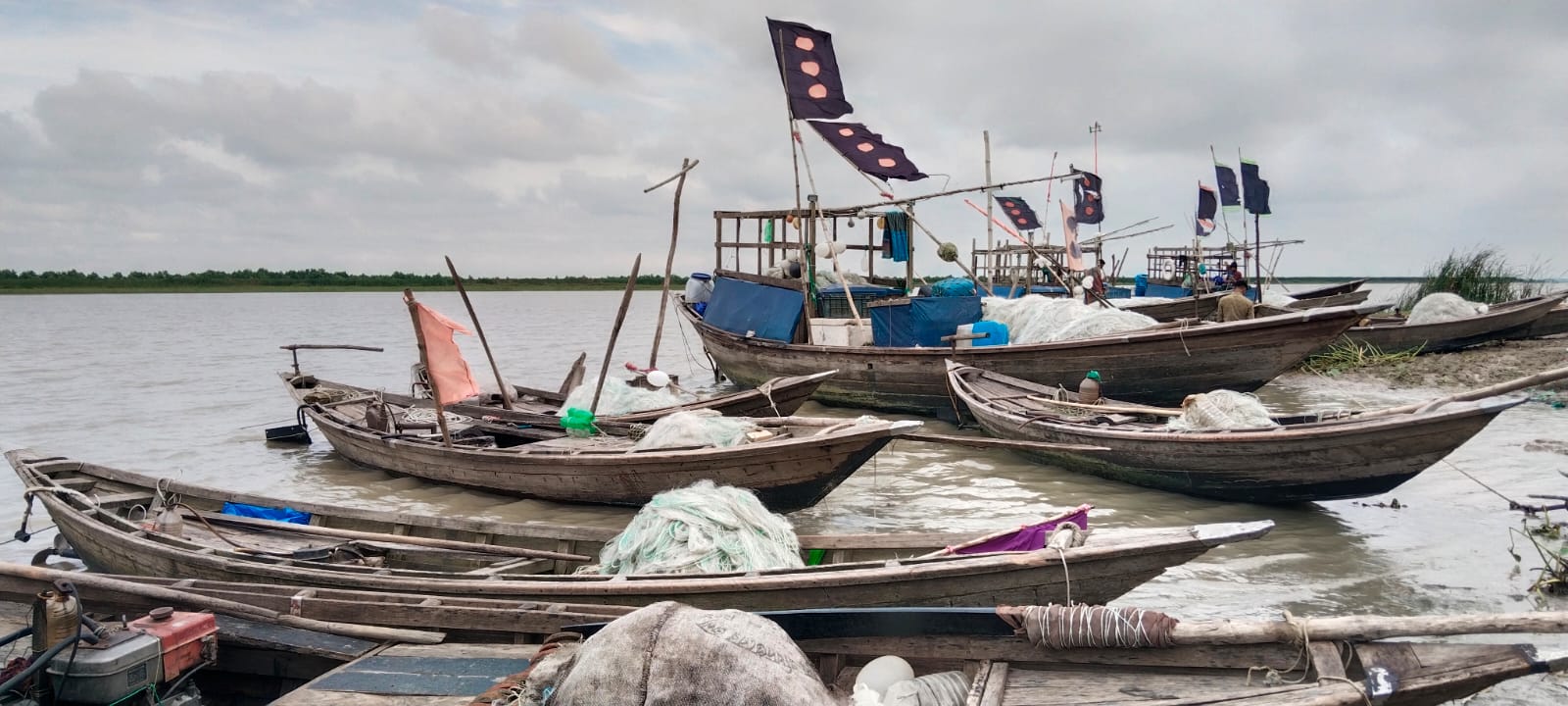
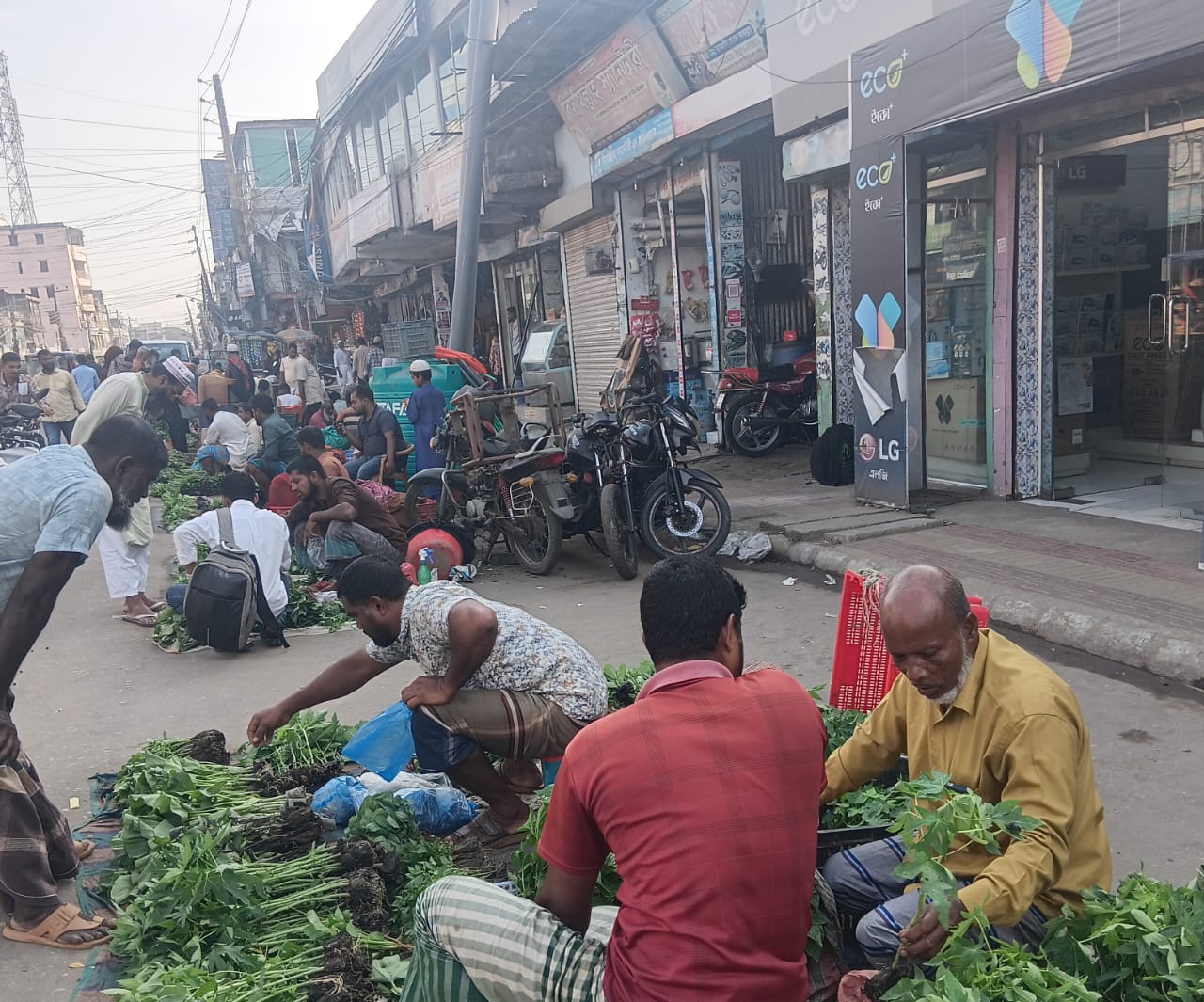
Photo: Taken at the fishermen’s landing station at Char Wadel Khanqa Bazar in Chandradwip, surrounded by the Tetulia River.

Even during the peak hilsa season, fishermen are struggling to find the much-anticipated fish in the Tetulia River in Bauphal, Patuakhali. Disappointed by poor catches, many fishermen say they are returning from the river with little or no hilsa.

Meanwhile, fishing with fixed nets, behundi nets, fine-mesh current nets and China-door nets continues at various points of the river. These nets are indiscriminately trapping juvenile hilsa, other indigenous fish and aquatic species.

According to production statistics from the Department of Fisheries, hilsa production in the Barishal division has been declining steadily. Production stood at 372,343 tonnes in fiscal year 2022–23. It fell to 348,834 tonnes in 2023–24, then to 334,783 tonnes in 2024–25. In the latest fiscal year, 2025–26, production dropped further to 266,597 tonnes.

That means hilsa production declined by 105,746 tonnes over three years.

July, August and September are generally considered the peak hilsa season. Yet even during these months, the expected presence of hilsa is missing from many rivers in the southern region.

Juvenile fish trapped in fine-mesh nets

During a field visit to Char Kachua, Char Raysahib, Char Barrett and Char Nimdi in Chandradwip Union, fishermen were seen using fine-mesh fixed nets, current nets, China-door nets and mosquito nets to catch fish.

Juvenile hilsa, along with prawns, pangas, ayre, boal and other small indigenous fish, were found trapped in the nets.

Similar complaints have been reported from river-adjacent areas of Kachipara, Karkhana, Dhulia and Bashbaria.

Fishermen allege that banned nets are being used day and night at different points of the river. They say the practice is not only reducing the number of mature fish but also destroying future fish stocks.

Fisherman Mosharaf said, “In the past, hilsa could be found in the river from the beginning of the monsoon until around the middle of Bhadra-Ashwin. Now, even during the peak season, we often return empty-handed. Fixed nets and China-door nets are destroying mature fish as well as juveniles.”

Fishermen Mamun and Mainuddin Majhi said, “Fixed nets are being placed near the main river mouth. Trawling in the deep sea is also disrupting fish breeding. With fewer fish in the river, it has become difficult to repay loans and pay workers’ wages.”

Hilsa supply also falls at fish landing centres

The decline in hilsa supply has also affected local fish landing centres. Fish trader Bellal Hossain said, “The supply of hilsa is much lower than before. Fishermen often bring nets full of other small fish, but there is very little hilsa. The reduced supply is also pushing up prices.”

However, it is not that there have been no operations against banned fishing nets. From July to September this year, the fisheries department conducted drives in flood-affected paddy fields, rivers, canals and wetlands in Bauphal and seized around 1,500 to 2,000 pieces of banned China-door nets, along with fixed nets.

Of these, five to seven were fixed nets. The estimated market value of the seized nets was between Tk 5.25 million and Tk 7 million. The seized nets were later burned and destroyed.

Bauphal Upazila Fisheries Officer M. M. Parvez said, “Fishing with China-door nets, current nets and other banned fine-mesh nets is punishable under the law. We are aware of allegations regarding the use of banned nets in the Tetulia River. Although manpower shortages make regular operations difficult, banned nets are being seized and legal action is being taken against those involved.”

Regarding the decline in hilsa during the peak season, he attributed it to navigability problems in the river and the drying up of its main mouth. According to him, these factors are disrupting the natural movement and entry of fish.

22-day fishing ban ahead

Ahead of the main hilsa breeding season, fishing for hilsa will remain prohibited across Bangladesh for 22 days, from October 8 to October 29. Nationwide operations will be conducted during this period to protect hilsa.

Bauphal Upazila Nirbahi Officer (UNO) Saleh Ahmed said regular drives are being conducted in different markets to stop the sale of banned fishing nets. The fisheries office has also been instructed to increase monitoring of the river, with larger-scale operations planned in the future.

Bauphal Police Station Officer-in-Charge (OC) Sirajul Islam said police teams are assisting the fisheries department during its operations. Legal action is being taken to prevent illegal fishing in the river, he said.

Patuakhali District Fisheries Officer Bijon Kumar Nandi said indiscriminate fishing with banned nets disrupts the natural breeding and reproduction of fish. In particular, the capture of juvenile and immature fish may reduce the stock of breeding-age fish in the future.

He said Patuakhali has around 19 rivers, including Tetulia, Agunmukha, Andharmanik, Rabnabad and Burishwar. Due to limited manpower, it is difficult to regularly monitor all rivers and remote areas and conduct operations there.

However, he said instructions have been issued to the relevant upazila fisheries officers to take action against banned nets.

Dr. Kazi Belal Uddin, senior scientific officer and head of the Patuakhali River Sub-Centre of the Bangladesh Fisheries Research Institute, said illegal nets are catching fish of all sizes at the same time.

“As a result, the number of brood fish needed for future reproduction is declining. This is reducing the availability of hilsa and other fish,” he said.

He further said waste, polythene, plastic and underwater sandbars in the river are obstructing fish movement. These factors are also contributing to the decline in fish movement and availability in inland rivers.

Local fishermen have called for increased regular monitoring and operations at key points of the Tetulia River, along with tougher action against those using banned nets.

They say protecting today’s juvenile fish is essential to ensuring tomorrow’s mature fish. If the use of banned nets is not stopped, the shortage of hilsa and other indigenous fish could become even more severe.

Illegal Fine-Mesh Nets Threaten the Future of Hilsa

Juvenile fish caught in banned nets as hilsa becomes scarce even during peak season

Update Time: 12:48:01 am, Sunday, 27 September 2026

Even during the peak hilsa season, fishermen are struggling to find the much-anticipated fish in the Tetulia River in Bauphal, Patuakhali. Disappointed by poor catches, many fishermen say they are returning from the river with little or no hilsa.

Meanwhile, fishing with fixed nets, behundi nets, fine-mesh current nets and China-door nets continues at various points of the river. These nets are indiscriminately trapping juvenile hilsa, other indigenous fish and aquatic species.

According to production statistics from the Department of Fisheries, hilsa production in the Barishal division has been declining steadily. Production stood at 372,343 tonnes in fiscal year 2022–23. It fell to 348,834 tonnes in 2023–24, then to 334,783 tonnes in 2024–25. In the latest fiscal year, 2025–26, production dropped further to 266,597 tonnes.

That means hilsa production declined by 105,746 tonnes over three years.

July, August and September are generally considered the peak hilsa season. Yet even during these months, the expected presence of hilsa is missing from many rivers in the southern region.

Juvenile fish trapped in fine-mesh nets

During a field visit to Char Kachua, Char Raysahib, Char Barrett and Char Nimdi in Chandradwip Union, fishermen were seen using fine-mesh fixed nets, current nets, China-door nets and mosquito nets to catch fish.

Juvenile hilsa, along with prawns, pangas, ayre, boal and other small indigenous fish, were found trapped in the nets.

Similar complaints have been reported from river-adjacent areas of Kachipara, Karkhana, Dhulia and Bashbaria.

Fishermen allege that banned nets are being used day and night at different points of the river. They say the practice is not only reducing the number of mature fish but also destroying future fish stocks.

Fisherman Mosharaf said, “In the past, hilsa could be found in the river from the beginning of the monsoon until around the middle of Bhadra-Ashwin. Now, even during the peak season, we often return empty-handed. Fixed nets and China-door nets are destroying mature fish as well as juveniles.”

Fishermen Mamun and Mainuddin Majhi said, “Fixed nets are being placed near the main river mouth. Trawling in the deep sea is also disrupting fish breeding. With fewer fish in the river, it has become difficult to repay loans and pay workers’ wages.”

Hilsa supply also falls at fish landing centres

The decline in hilsa supply has also affected local fish landing centres. Fish trader Bellal Hossain said, “The supply of hilsa is much lower than before. Fishermen often bring nets full of other small fish, but there is very little hilsa. The reduced supply is also pushing up prices.”

However, it is not that there have been no operations against banned fishing nets. From July to September this year, the fisheries department conducted drives in flood-affected paddy fields, rivers, canals and wetlands in Bauphal and seized around 1,500 to 2,000 pieces of banned China-door nets, along with fixed nets.

Of these, five to seven were fixed nets. The estimated market value of the seized nets was between Tk 5.25 million and Tk 7 million. The seized nets were later burned and destroyed.

Bauphal Upazila Fisheries Officer M. M. Parvez said, “Fishing with China-door nets, current nets and other banned fine-mesh nets is punishable under the law. We are aware of allegations regarding the use of banned nets in the Tetulia River. Although manpower shortages make regular operations difficult, banned nets are being seized and legal action is being taken against those involved.”

Regarding the decline in hilsa during the peak season, he attributed it to navigability problems in the river and the drying up of its main mouth. According to him, these factors are disrupting the natural movement and entry of fish.

22-day fishing ban ahead

Ahead of the main hilsa breeding season, fishing for hilsa will remain prohibited across Bangladesh for 22 days, from October 8 to October 29. Nationwide operations will be conducted during this period to protect hilsa.

Bauphal Upazila Nirbahi Officer (UNO) Saleh Ahmed said regular drives are being conducted in different markets to stop the sale of banned fishing nets. The fisheries office has also been instructed to increase monitoring of the river, with larger-scale operations planned in the future.

Bauphal Police Station Officer-in-Charge (OC) Sirajul Islam said police teams are assisting the fisheries department during its operations. Legal action is being taken to prevent illegal fishing in the river, he said.

Patuakhali District Fisheries Officer Bijon Kumar Nandi said indiscriminate fishing with banned nets disrupts the natural breeding and reproduction of fish. In particular, the capture of juvenile and immature fish may reduce the stock of breeding-age fish in the future.

He said Patuakhali has around 19 rivers, including Tetulia, Agunmukha, Andharmanik, Rabnabad and Burishwar. Due to limited manpower, it is difficult to regularly monitor all rivers and remote areas and conduct operations there.

However, he said instructions have been issued to the relevant upazila fisheries officers to take action against banned nets.

Dr. Kazi Belal Uddin, senior scientific officer and head of the Patuakhali River Sub-Centre of the Bangladesh Fisheries Research Institute, said illegal nets are catching fish of all sizes at the same time.

“As a result, the number of brood fish needed for future reproduction is declining. This is reducing the availability of hilsa and other fish,” he said.

He further said waste, polythene, plastic and underwater sandbars in the river are obstructing fish movement. These factors are also contributing to the decline in fish movement and availability in inland rivers.

Local fishermen have called for increased regular monitoring and operations at key points of the Tetulia River, along with tougher action against those using banned nets.

They say protecting today’s juvenile fish is essential to ensuring tomorrow’s mature fish. If the use of banned nets is not stopped, the shortage of hilsa and other indigenous fish could become even more severe.