

Dhaka 3:03 pm, Monday, 9 November 2026

Fuel Price Hike Leaves People Struggling, Raises Fares and Market Prices

The government has once again raised the prices of all types of fuel by up to Tk 20 per litre, just five months after the previous hike. The increase has already begun affecting transport costs and the prices of essential commodities, putting additional pressure on consumers.

Under the new rates, effective from midnight on Sunday (September 21), diesel is being sold at Tk 135 per litre, kerosene at Tk 155, octane at Tk 165 and petrol at Tk 160. The government had previously raised fuel prices by Tk 15 to Tk 20 per litre in April.

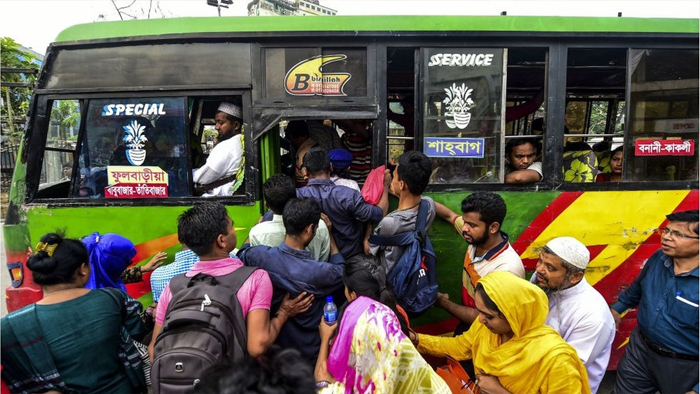
The fuel price hike has had an immediate impact on the transport sector. Although the government has not yet officially approved higher bus fares, passengers have reported being charged additional fares on various routes in Dhaka and on long-distance buses. They said fares on city routes have increased by Tk 5 to Tk 20, while long-distance fares have risen by up to Tk 100.

Transport workers said operating buses at the previous fares after purchasing fuel at higher prices would result in losses. The Bangladesh Road Transport Authority (BRTA) has already proposed increasing fares by 20 poisha per kilometre on long-distance routes and 18 poisha per kilometre within cities. Transport owners are now waiting for the government’s final decision.

A leader of the Bangladesh Road Transport Owners Association said the fuel price hike alone has increased the cost of each trip on the Dhaka-Sylhet and Dhaka-Chattogram routes by around Tk 4,000.

Transportation costs for goods have also increased. Vegetable wholesalers and traders said truck fares for bringing goods to Dhaka from districts including Panchagarh, Khulna and Manikganj rose by Tk 3,000 to Tk 4,000 overnight.

A vegetable trader in Rayerbazar said the additional transportation costs would ultimately be passed on to consumers, potentially increasing the prices of various commodities by at least Tk 10 per kilogram.

Truck fares at Benapole Land Port have also increased by Tk 5,000 to Tk 8,000. At the same time, container handling charges have been raised by around 10 per cent.

The government says it was forced to take the decision because of higher fuel prices in the international market. State Minister for Power and Energy Anindya Islam Amit said that without the price increase, important government programmes, including vaccination and social safety-net initiatives, would have been affected.

However, various organisations have criticised the decision, arguing that it came at a time when international oil prices were declining. The Bangladesh Jatri Kalyan Samity and Bangladesh Samajtantrik Dal (Basad) described the decision as “anti-people” and demanded its withdrawal.

Energy experts said the pressure to raise revenue was being passed on to the public, while the latest fuel price hike was creating an additional burden for ordinary people already struggling with inflation.

Fuel Price Hike Leaves People Struggling, Raises Fares and Market Prices

Update Time: 01:13:24 pm, Tuesday, 22 September 2026

The government has once again raised the prices of all types of fuel by up to Tk 20 per litre, just five months after the previous hike. The increase has already begun affecting transport costs and the prices of essential commodities, putting additional pressure on consumers.

Under the new rates, effective from midnight on Sunday (September 21), diesel is being sold at Tk 135 per litre, kerosene at Tk 155, octane at Tk 165 and petrol at Tk 160. The government had previously raised fuel prices by Tk 15 to Tk 20 per litre in April.

The fuel price hike has had an immediate impact on the transport sector. Although the government has not yet officially approved higher bus fares, passengers have reported being charged additional fares on various routes in Dhaka and on long-distance buses. They said fares on city routes have increased by Tk 5 to Tk 20, while long-distance fares have risen by up to Tk 100.

Transport workers said operating buses at the previous fares after purchasing fuel at higher prices would result in losses. The Bangladesh Road Transport Authority (BRTA) has already proposed increasing fares by 20 poisha per kilometre on long-distance routes and 18 poisha per kilometre within cities. Transport owners are now waiting for the government’s final decision.

A leader of the Bangladesh Road Transport Owners Association said the fuel price hike alone has increased the cost of each trip on the Dhaka-Sylhet and Dhaka-Chattogram routes by around Tk 4,000.

Transportation costs for goods have also increased. Vegetable wholesalers and traders said truck fares for bringing goods to Dhaka from districts including Panchagarh, Khulna and Manikganj rose by Tk 3,000 to Tk 4,000 overnight.

A vegetable trader in Rayerbazar said the additional transportation costs would ultimately be passed on to consumers, potentially increasing the prices of various commodities by at least Tk 10 per kilogram.

Truck fares at Benapole Land Port have also increased by Tk 5,000 to Tk 8,000. At the same time, container handling charges have been raised by around 10 per cent.

The government says it was forced to take the decision because of higher fuel prices in the international market. State Minister for Power and Energy Anindya Islam Amit said that without the price increase, important government programmes, including vaccination and social safety-net initiatives, would have been affected.

However, various organisations have criticised the decision, arguing that it came at a time when international oil prices were declining. The Bangladesh Jatri Kalyan Samity and Bangladesh Samajtantrik Dal (Basad) described the decision as “anti-people” and demanded its withdrawal.

Energy experts said the pressure to raise revenue was being passed on to the public, while the latest fuel price hike was creating an additional burden for ordinary people already struggling with inflation.