

Dhaka 3:39 pm, Monday, 9 November 2026

July Charter to Be Implemented as Signed, Says Home Minister

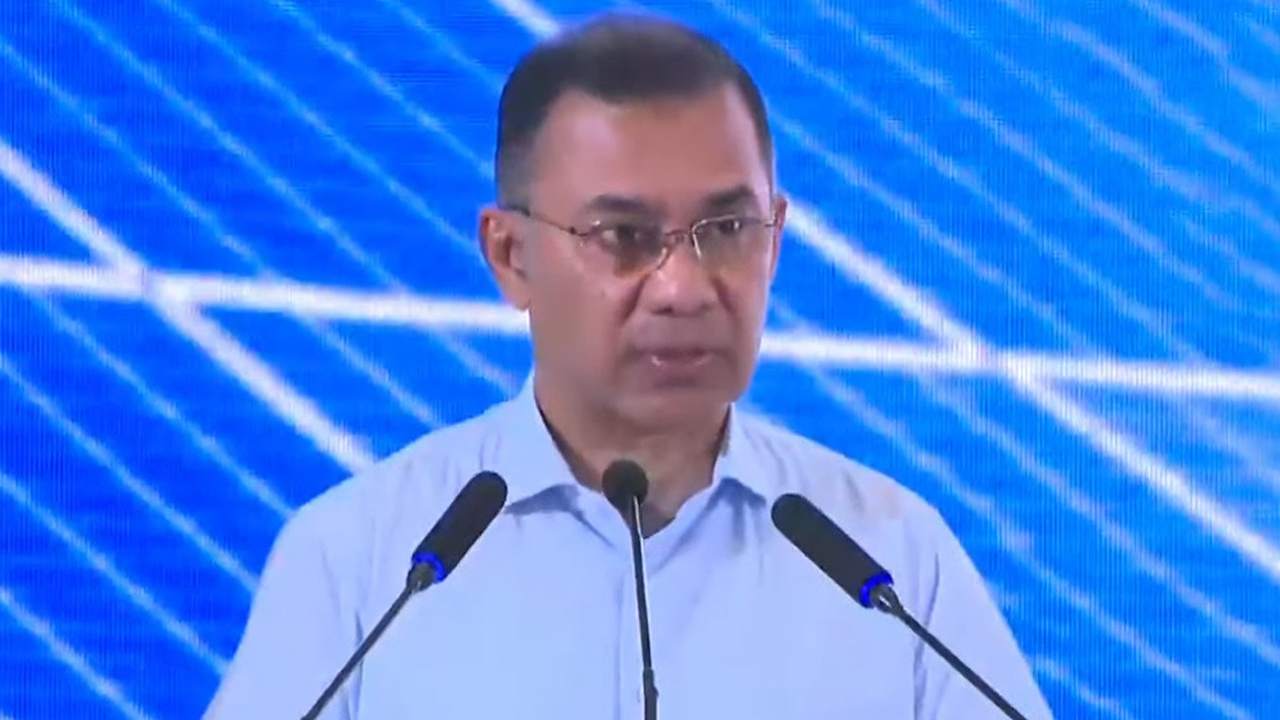
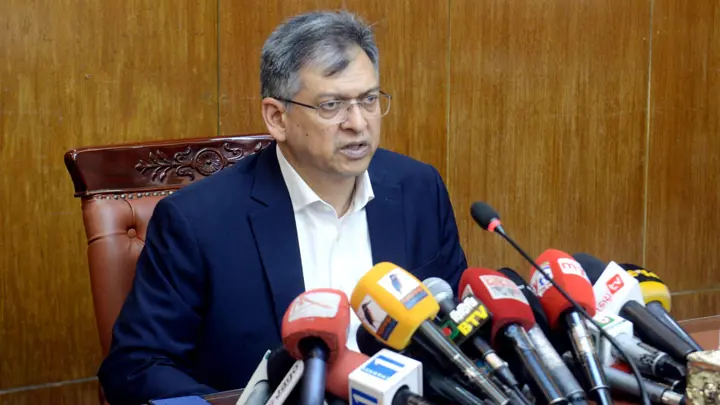
The July National Charter will be implemented in accordance with the framework in which it was signed, Home Minister Salahuddin Ahmed, who heads the special committee on constitutional amendments, has said.

He said opinions would be sought from political parties and people from various professional and social groups on the constitutional amendments required to implement the charter. The committee aims to complete consultations with stakeholders by December and submit its report to Parliament. It will also try to hold at least one meeting every week to expedite the process.

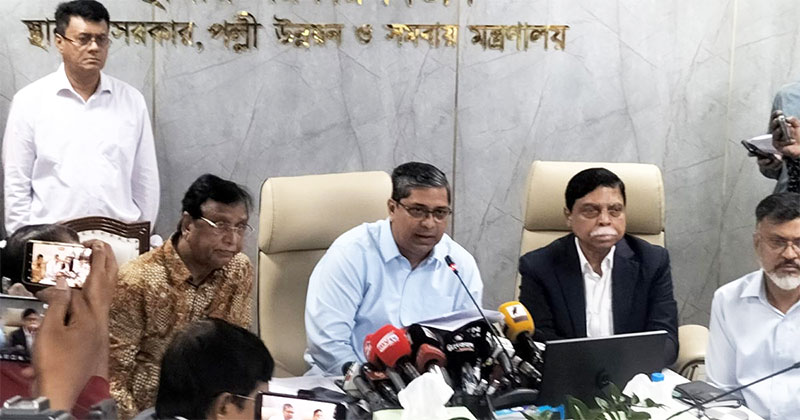
The minister made the remarks while speaking to journalists at the Media Centre of the Jatiya Sangsad on Sunday (September 20), following the second meeting of the special committee.

Salahuddin Ahmed said the committee would seek views from political parties that signed the July National Charter, constitutional experts, former judges and justices, lawyers, teachers, journalists, July movement activists, representatives of the Anti-Discrimination Student Movement and families of those killed, among others. Based on these views, the committee will prepare recommendations for implementing the charter and submit a report to Parliament.

He said the committee would also consider any supplementary proposals of national importance that fall outside the charter. Work on preparing the report has already begun, and it could be submitted to Parliament once the consultations are completed.

The home minister said 26 political parties that signed the July National Charter had been invited for consultations. Of them, 15 sent representatives in person, while one party submitted a written statement. Representatives of another party could not attend due to illness and family reasons. In total, around 17 political parties participated in the process.

He identified the AB Party as the party that submitted a written statement and said representatives of the Jatiya Gonofront could not attend.

He said the committee’s doors would remain open to parties that did not sign the July National Charter but wish to participate in the discussions. Both registered and unregistered political parties will be able to submit written proposals for consideration.

Salahuddin Ahmed said the committee had no intention of excluding any particular party or group from the process. Those who attended the meeting presented their views and proposals, while others would have the opportunity to submit written proposals. The committee may also invite them for formal discussions again if necessary.

Constitutional Amendment Issues Identified
The home minister said the July National Charter itself identifies issues that can be implemented through constitutional amendments. It also separately identifies matters that can be implemented through laws, ordinances, rules and executive orders.

He said political parties are committed to implementing issues on which they have reached consensus. Issues over which any party has submitted a “note of dissent” will also be considered along with the respective differing views.

The committee will also consider some constitutional proposals included in the election manifestos of political parties but not covered by the July National Charter, he said.

Referring to a proposal to change the fiscal year, he said the current fiscal year runs from July to June, meaning the rainy season falls at the final stage of implementing development projects. This can create difficulties in project implementation and raise concerns about wastage of public funds.

A proposal is being considered to change the fiscal year in line with Bangladesh’s seasonal cycle, he said, adding that this may require an amendment to the relevant constitutional provision.

Differences Over Upper House
Salahuddin Ahmed said there are some differences among political parties over the formation of an upper house of Parliament. According to him, there is consensus that the upper house would have 100 members, but differences remain over the method of selecting its members.

Some have proposed forming the upper house based on the number of seats won in Parliament, while others have suggested using the proportion of votes received by political parties.

He said if a political party clearly states its position on the issue in its election manifesto and receives a public mandate, steps could subsequently be taken accordingly.

The upper house would not be similar to a state-representing chamber in a federal system, he said. One idea discussed is to provide representation to people from different social and professional groups, as well as individuals who can make important contributions to the state.

No Need to Rewrite the Constitution
The home minister reiterated his position that there is no need to rewrite the Constitution to implement the July National Charter. In his view, the necessary provisions of the charter can be implemented by amending the existing Constitution.

He said that after receiving the special committee’s report, the Ministry of Law would place a constitutional amendment bill before Parliament. The government would then seek to pass the bill through detailed parliamentary discussion and debate based on political consensus.

Asked whether a constitutional amendment passed through Parliament could face a legal challenge in the future, he said parliamentary constitutional amendments and the drafting of a new constitution are two different matters. Even an amendment adopted through a reform council would not necessarily be beyond judicial challenge, he added.

He said the Constitution is a living state document and has been amended at different times in various countries in response to social needs and public demands. It is therefore not possible to permanently determine everything for future generations.

Previous Reform Proposals
The meeting also discussed whether the recommendations of the six previous reform commissions should be brought back for fresh consideration.

Salahuddin Ahmed said those commissions had made recommendations on various issues, which were subsequently discussed extensively with political parties. The July National Charter was later formulated through discussions under the National Consensus Commission.

Bringing all the previous reform proposals back for fresh discussions could complicate the process, he said. However, if any political party has new and important proposals, the committee will take note of them and consider them if submitted in writing.

The minister also said a proposal concerning the constitutional name of the country had been raised at the meeting.

Some political parties proposed using “Democratic Bangladesh” or a similar term as the Bangla translation of “People’s Republic of Bangladesh.” Although the issue had been discussed and settled previously, the new proposal would be included in the committee’s notes for consideration, he said.

Claim of Misleading Campaigns Over BNP
Salahuddin Ahmed said misleading campaigns were being conducted around the BNP’s position on implementation of the July National Charter. He said the BNP had committed to implementing the charter in the same form in which it was signed.

Work is underway to bring the necessary constitutional amendments before Parliament as quickly as possible, he said. Following preparation of the special committee’s report, the Ministry of Law will introduce an amendment bill in Parliament, which will then be considered through discussion and debate with an effort to reach consensus.

Asked whether a future government could change the current government’s notes of dissent, the home minister said any political party that forms a government with a public mandate and secures the required parliamentary majority under the Constitution would be able to initiate constitutional amendments.

Salahuddin Ahmed said the main objective in implementing the July National Charter is to follow the framework on which consensus was reached and complete the necessary constitutional amendments through the parliamentary process.

The special committee was formed in Parliament on July 13, 2026, with Home Minister Salahuddin Ahmed as its chairman and 12 members. Provision was later made to expand the committee to 17 members by including representatives of the opposition.

Those present at Sunday’s meeting included committee member and Chief Whip Nurul Islam Moni; Law, Justice and Parliamentary Affairs Minister Md Asaduzzaman; committee member and chairman of the Parliamentary Standing Committee on Home Affairs Zainul Abedin; Planning State Minister Md Jonaid Abdur Rahim Saki; Expatriates’ Welfare and Overseas Employment State Minister Md Nurul Haque; and Land State Minister Mir Mohammad Helal Uddin.

July Charter to Be Implemented as Signed, Says Home Minister

Update Time: 10:27:09 pm, Sunday, 20 September 2026

The July National Charter will be implemented in accordance with the framework in which it was signed, Home Minister Salahuddin Ahmed, who heads the special committee on constitutional amendments, has said.

He said opinions would be sought from political parties and people from various professional and social groups on the constitutional amendments required to implement the charter. The committee aims to complete consultations with stakeholders by December and submit its report to Parliament. It will also try to hold at least one meeting every week to expedite the process.

The minister made the remarks while speaking to journalists at the Media Centre of the Jatiya Sangsad on Sunday (September 20), following the second meeting of the special committee.

Salahuddin Ahmed said the committee would seek views from political parties that signed the July National Charter, constitutional experts, former judges and justices, lawyers, teachers, journalists, July movement activists, representatives of the Anti-Discrimination Student Movement and families of those killed, among others. Based on these views, the committee will prepare recommendations for implementing the charter and submit a report to Parliament.

He said the committee would also consider any supplementary proposals of national importance that fall outside the charter. Work on preparing the report has already begun, and it could be submitted to Parliament once the consultations are completed.

The home minister said 26 political parties that signed the July National Charter had been invited for consultations. Of them, 15 sent representatives in person, while one party submitted a written statement. Representatives of another party could not attend due to illness and family reasons. In total, around 17 political parties participated in the process.

He identified the AB Party as the party that submitted a written statement and said representatives of the Jatiya Gonofront could not attend.

He said the committee’s doors would remain open to parties that did not sign the July National Charter but wish to participate in the discussions. Both registered and unregistered political parties will be able to submit written proposals for consideration.

Salahuddin Ahmed said the committee had no intention of excluding any particular party or group from the process. Those who attended the meeting presented their views and proposals, while others would have the opportunity to submit written proposals. The committee may also invite them for formal discussions again if necessary.

Constitutional Amendment Issues Identified
The home minister said the July National Charter itself identifies issues that can be implemented through constitutional amendments. It also separately identifies matters that can be implemented through laws, ordinances, rules and executive orders.

He said political parties are committed to implementing issues on which they have reached consensus. Issues over which any party has submitted a “note of dissent” will also be considered along with the respective differing views.

The committee will also consider some constitutional proposals included in the election manifestos of political parties but not covered by the July National Charter, he said.

Referring to a proposal to change the fiscal year, he said the current fiscal year runs from July to June, meaning the rainy season falls at the final stage of implementing development projects. This can create difficulties in project implementation and raise concerns about wastage of public funds.

A proposal is being considered to change the fiscal year in line with Bangladesh’s seasonal cycle, he said, adding that this may require an amendment to the relevant constitutional provision.

Differences Over Upper House
Salahuddin Ahmed said there are some differences among political parties over the formation of an upper house of Parliament. According to him, there is consensus that the upper house would have 100 members, but differences remain over the method of selecting its members.

Some have proposed forming the upper house based on the number of seats won in Parliament, while others have suggested using the proportion of votes received by political parties.

He said if a political party clearly states its position on the issue in its election manifesto and receives a public mandate, steps could subsequently be taken accordingly.

The upper house would not be similar to a state-representing chamber in a federal system, he said. One idea discussed is to provide representation to people from different social and professional groups, as well as individuals who can make important contributions to the state.

No Need to Rewrite the Constitution
The home minister reiterated his position that there is no need to rewrite the Constitution to implement the July National Charter. In his view, the necessary provisions of the charter can be implemented by amending the existing Constitution.

He said that after receiving the special committee’s report, the Ministry of Law would place a constitutional amendment bill before Parliament. The government would then seek to pass the bill through detailed parliamentary discussion and debate based on political consensus.

Asked whether a constitutional amendment passed through Parliament could face a legal challenge in the future, he said parliamentary constitutional amendments and the drafting of a new constitution are two different matters. Even an amendment adopted through a reform council would not necessarily be beyond judicial challenge, he added.

He said the Constitution is a living state document and has been amended at different times in various countries in response to social needs and public demands. It is therefore not possible to permanently determine everything for future generations.

Previous Reform Proposals
The meeting also discussed whether the recommendations of the six previous reform commissions should be brought back for fresh consideration.

Salahuddin Ahmed said those commissions had made recommendations on various issues, which were subsequently discussed extensively with political parties. The July National Charter was later formulated through discussions under the National Consensus Commission.

Bringing all the previous reform proposals back for fresh discussions could complicate the process, he said. However, if any political party has new and important proposals, the committee will take note of them and consider them if submitted in writing.

The minister also said a proposal concerning the constitutional name of the country had been raised at the meeting.

Some political parties proposed using “Democratic Bangladesh” or a similar term as the Bangla translation of “People’s Republic of Bangladesh.” Although the issue had been discussed and settled previously, the new proposal would be included in the committee’s notes for consideration, he said.

Claim of Misleading Campaigns Over BNP
Salahuddin Ahmed said misleading campaigns were being conducted around the BNP’s position on implementation of the July National Charter. He said the BNP had committed to implementing the charter in the same form in which it was signed.

Work is underway to bring the necessary constitutional amendments before Parliament as quickly as possible, he said. Following preparation of the special committee’s report, the Ministry of Law will introduce an amendment bill in Parliament, which will then be considered through discussion and debate with an effort to reach consensus.

Asked whether a future government could change the current government’s notes of dissent, the home minister said any political party that forms a government with a public mandate and secures the required parliamentary majority under the Constitution would be able to initiate constitutional amendments.

Salahuddin Ahmed said the main objective in implementing the July National Charter is to follow the framework on which consensus was reached and complete the necessary constitutional amendments through the parliamentary process.

The special committee was formed in Parliament on July 13, 2026, with Home Minister Salahuddin Ahmed as its chairman and 12 members. Provision was later made to expand the committee to 17 members by including representatives of the opposition.

Those present at Sunday’s meeting included committee member and Chief Whip Nurul Islam Moni; Law, Justice and Parliamentary Affairs Minister Md Asaduzzaman; committee member and chairman of the Parliamentary Standing Committee on Home Affairs Zainul Abedin; Planning State Minister Md Jonaid Abdur Rahim Saki; Expatriates’ Welfare and Overseas Employment State Minister Md Nurul Haque; and Land State Minister Mir Mohammad Helal Uddin.