Staff Correspondent
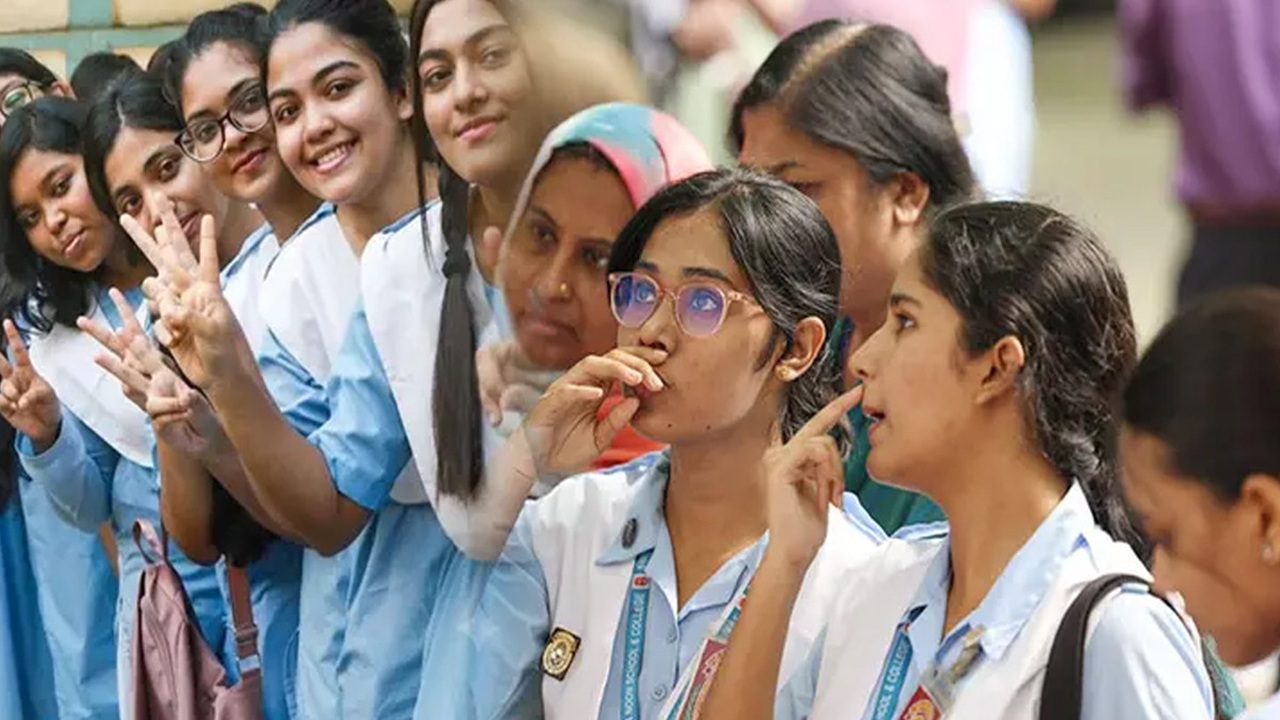
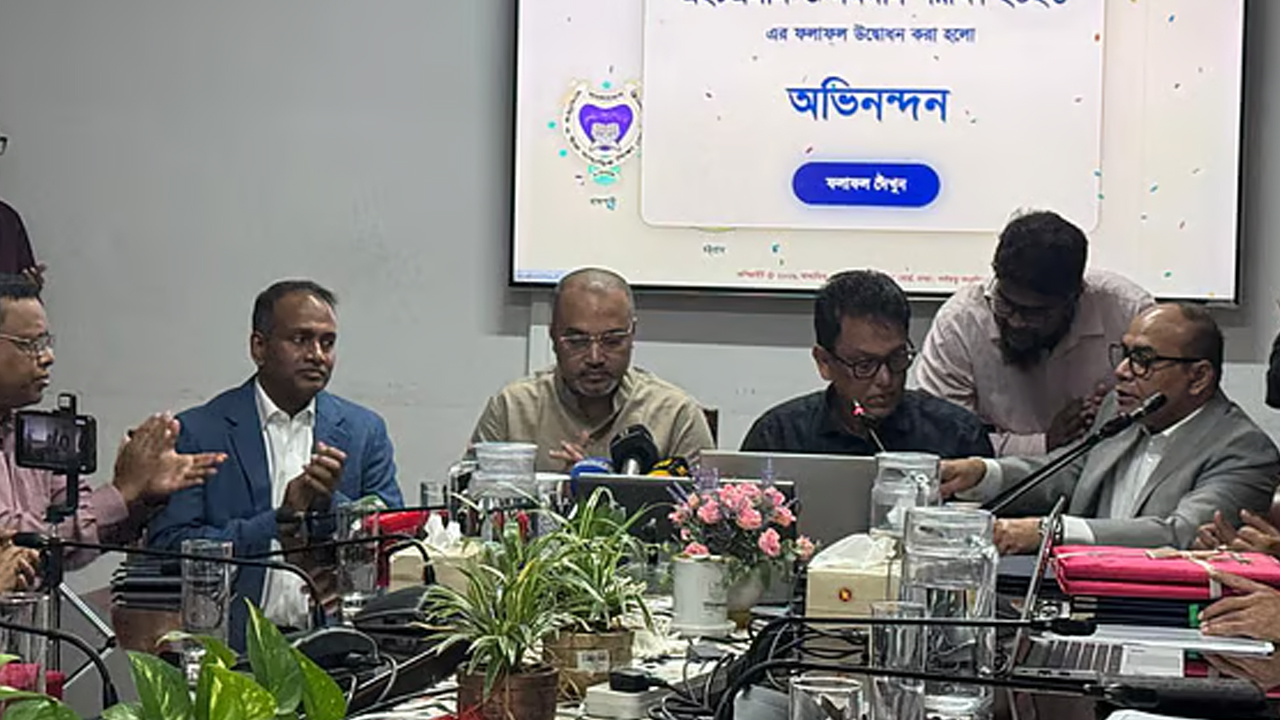
The results of the first phase of admission to Class XI for the 2026-27 academic year will be published after 8pm on Wednesday (September 16). Students will be able to check their results on the designated website.
The information was confirmed by Professor Syed Aktaruzzaman, chairman of the Dhaka Education Board and president of the Inter-Education Board Coordination Committee. He said the XI admission results would be published after 8pm and students would be able to view them online.
After the results are published, selected students will have until 8pm on September 18 to confirm their admission. If they fail to complete the confirmation within the stipulated time, their selection and application will be cancelled.
Migration results based on students’ choice preferences will be published at 8pm on September 19. Admission to Class XI will then take place from September 20 to 22, while classes will begin on September 23.
Online applications for Class XI admission opened on September 2. Students will be admitted based on merit according to their SSC and equivalent examination results. No admission test will be held. The online application fee has been set at Tk 220.
According to the admission guidelines, a student can apply to a minimum of five and a maximum of 10 colleges or equivalent educational institutions. Applicants were allowed to change their preference order until 8pm on September 12 and 13.
Under the policy, students from the year in which SSC and equivalent examination results are published, as well as students from the previous two years, will be eligible to apply for Class XI admission. Students who passed examinations under foreign boards will be eligible to apply after obtaining equivalence certification through the Dhaka Education Board.
Students will have the option to change their academic group this year. Students who passed SSC from the science group can apply for science, humanities or business studies. Students from the humanities and business studies groups can apply to their own group as well as each other’s group.
Students from all groups can apply for Islamic Studies, Home Economics and Music. Students from the Technical and Madrasa Education Boards will also be eligible to apply to relevant groups under the general education boards, subject to the admission policy.
For admission, 93 percent of seats at each college will remain open to general students based on merit. Five percent of seats will be reserved for children of freedom fighters and martyred freedom fighters. Another two percent—one percent for children of employees of the Ministry of Education and one percent for children of employees of offices and agencies under the ministry—will be reserved at institutions in metropolitan areas, divisional headquarters and district headquarters.
If eligible candidates are not available under the quota, those seats will be filled from the merit list. The quota system will apply only to the 2026-27 academic year.
For students with the same GPA, merit ranking will be determined based on their total marks in the SSC and equivalent examinations. If science-group students have equal total marks, marks in General Mathematics, Higher Mathematics or Biology will be considered. If the tie remains, marks in English, Physics and Chemistry will be considered successively.
For humanities and business studies students with equal marks, English, Mathematics and Bangla marks will be considered successively.
Students of school-and-college institutions or their own institutions will receive priority for admission to their respective institutions if they meet the eligibility requirements.
For MPO-listed institutions, the maximum session charge and admission fee in Dhaka metropolitan area has been set at Tk 5,000 for both Bangla- and English-medium programmes. The maximum is Tk 3,000 in other metropolitan areas, Tk 2,000 in district headquarters and Tk 1,500 in upazilas or rural areas.
For non-MPO or partially MPO-listed institutions, the maximum fees in Dhaka metropolitan area have been set at Tk 7,500 for Bangla-medium and Tk 8,500 for English-medium programmes. In other metropolitan areas, the maximum is Tk 5,000 for Bangla medium and Tk 6,000 for English medium; in district headquarters, Tk 3,000 and Tk 4,000 respectively; and in upazilas or rural areas, Tk 2,500 and Tk 3,000 respectively.
Students must pay a total of Tk 340 to the education board during the initial confirmation process. This includes Tk 142 as registration fee, Tk 50 sports fee, Tk 10 BNCC fee, Tk 15 Rover/Ranger fee, Tk 16 Red Crescent fee, Tk 7 science and technology fee, and Tk 100 for teacher welfare and retirement benefits.
Under the Ministry of Education’s policy, no institution can issue a transfer certificate (TC) or admit a student without permission from the education board. If students are admitted to unauthorised branches or subjects, the concerned college may face cancellation of its teaching permission, recognition or MPO status.