

Dhaka 3:06 pm, Monday, 9 November 2026

Rumin Farhana Voices Anger Over Colleagues’ Disorderly Conduct

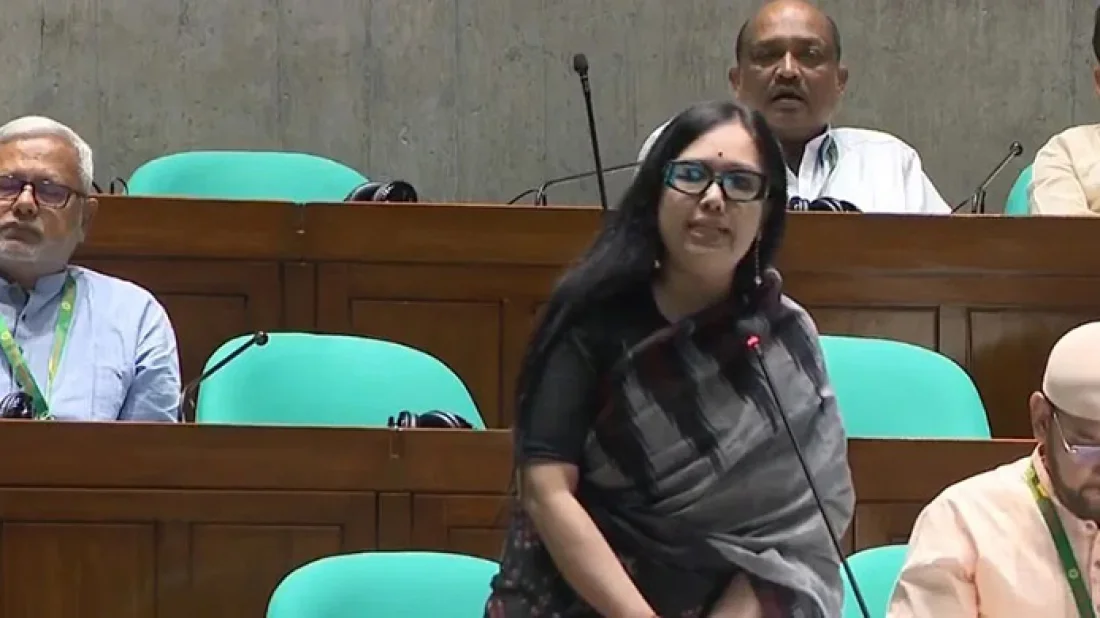
Bracmanbaria-2 MP Rumin Farhana has expressed frustration over the lack of an environment in Parliament where opposition views and dissenting opinions can be freely expressed.

Speaking about her experience in Parliament on Wednesday, she alleged that the conduct she witnessed after delivering her speech did not conform to the parliamentary norms of a democratic country.

She said colleagues could have responded to her views or offered counterarguments by following parliamentary rules. Instead, she faced what she described as disorderly and discourteous behaviour immediately after concluding her remarks.

Rumin Farhana made the remarks on Thursday (September 10) while participating in the discussion on the Special Response Battalion (SRB) Bill, 2026, with Speaker Hafiz Uddin Ahmed in the chair.

She said lawmakers sitting around her in the House used abusive language against her, describing the incident as deeply disappointing and contrary to parliamentary courtesy. She recalled that she had faced a similarly disgraceful situation in 2018, when she had stood alone as a BNP lawmaker to speak during the Awami League government.

She questioned the need for Parliament to have an opposition party merely to cast “yes” or “no” votes if no meaningful change occurs even after a Parliament has been formed through elections following the bloodshed of thousands of people.

According to Rumin Farhana, it is normal for a Parliament to have members from the ruling party, opposition and independents. Every individual may hold different opinions, and there should be full freedom to express those views.

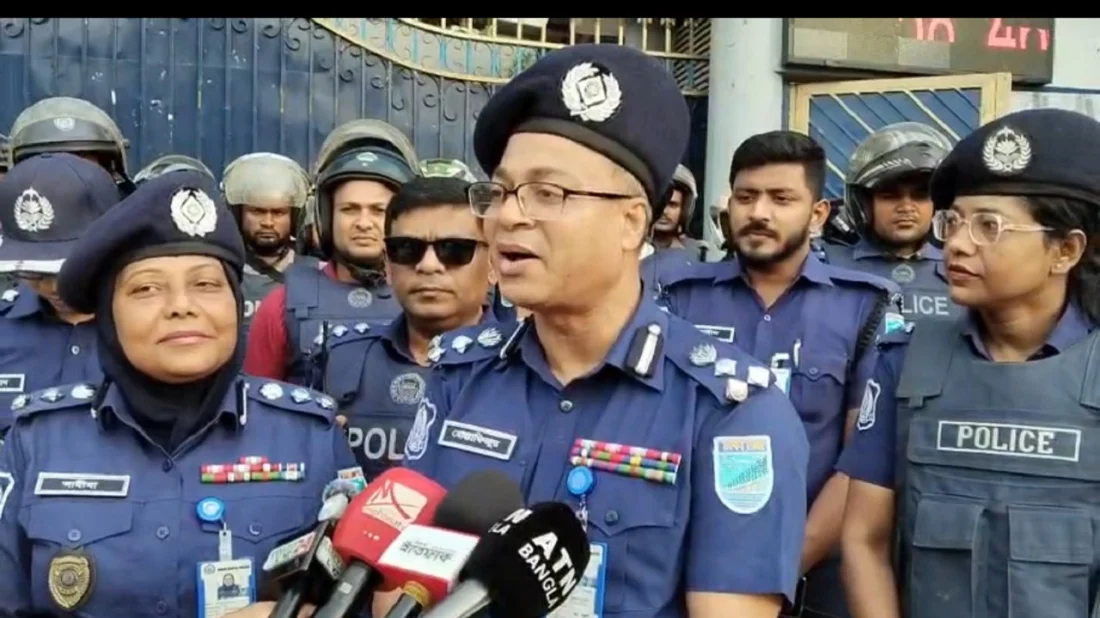
She also strongly criticised the roles of various state institutions and law enforcement agencies. She said that, except for the Awami League, all political parties in the country, along with the United Nations and international human rights organisations, had previously called for the abolition of the controversial Rapid Action Battalion (RAB).

She stressed that whatever new organisation is established to replace RAB must not merely represent a change of name or uniform.

Clarifying her position on the Armed Police Battalion (APBn) and other law enforcement agencies, the lawmaker said ordinary people had previously faced harassment, torture and intimidation in connection with various activities of law enforcement agencies. Such conduct by any state force must not be tolerated in the future, she said.

Noting that Bangladesh has now embarked on a democratic journey, Rumin Farhana expressed hope that all political parties represented in Parliament would remain respectful of democratic values.

She said the police, RAB and other state forces must operate within established rules and discipline rather than under the control of any particular political party.

She also expressed hope that the Home Ministry and the current government would take effective steps to ensure that all state forces can perform their duties independently, free from political influence and party-based control.

Rumin Farhana Voices Anger Over Colleagues’ Disorderly Conduct

Update Time: 08:31:12 pm, Thursday, 10 September 2026

Bracmanbaria-2 MP Rumin Farhana has expressed frustration over the lack of an environment in Parliament where opposition views and dissenting opinions can be freely expressed.

Speaking about her experience in Parliament on Wednesday, she alleged that the conduct she witnessed after delivering her speech did not conform to the parliamentary norms of a democratic country.

She said colleagues could have responded to her views or offered counterarguments by following parliamentary rules. Instead, she faced what she described as disorderly and discourteous behaviour immediately after concluding her remarks.

Rumin Farhana made the remarks on Thursday (September 10) while participating in the discussion on the Special Response Battalion (SRB) Bill, 2026, with Speaker Hafiz Uddin Ahmed in the chair.

She said lawmakers sitting around her in the House used abusive language against her, describing the incident as deeply disappointing and contrary to parliamentary courtesy. She recalled that she had faced a similarly disgraceful situation in 2018, when she had stood alone as a BNP lawmaker to speak during the Awami League government.

She questioned the need for Parliament to have an opposition party merely to cast “yes” or “no” votes if no meaningful change occurs even after a Parliament has been formed through elections following the bloodshed of thousands of people.

According to Rumin Farhana, it is normal for a Parliament to have members from the ruling party, opposition and independents. Every individual may hold different opinions, and there should be full freedom to express those views.

She also strongly criticised the roles of various state institutions and law enforcement agencies. She said that, except for the Awami League, all political parties in the country, along with the United Nations and international human rights organisations, had previously called for the abolition of the controversial Rapid Action Battalion (RAB).

She stressed that whatever new organisation is established to replace RAB must not merely represent a change of name or uniform.

Clarifying her position on the Armed Police Battalion (APBn) and other law enforcement agencies, the lawmaker said ordinary people had previously faced harassment, torture and intimidation in connection with various activities of law enforcement agencies. Such conduct by any state force must not be tolerated in the future, she said.

Noting that Bangladesh has now embarked on a democratic journey, Rumin Farhana expressed hope that all political parties represented in Parliament would remain respectful of democratic values.

She said the police, RAB and other state forces must operate within established rules and discipline rather than under the control of any particular political party.

She also expressed hope that the Home Ministry and the current government would take effective steps to ensure that all state forces can perform their duties independently, free from political influence and party-based control.