Dhaka 3:43 pm, Monday, 9 November 2026

PM Issues New Directives to Prevent Repeated Extensions of Project Timelines and Costs

Prime Minister Tarique Rahman has said that several measures have been taken to curb the tendency of repeatedly extending the timelines and costs of government development projects.

He said weak feasibility studies, inaccurate cost estimates, delays in land acquisition, prolonged procurement processes, inadequate monitoring and a lack of accountability are among the reasons behind repeated extensions of project timelines and costs.

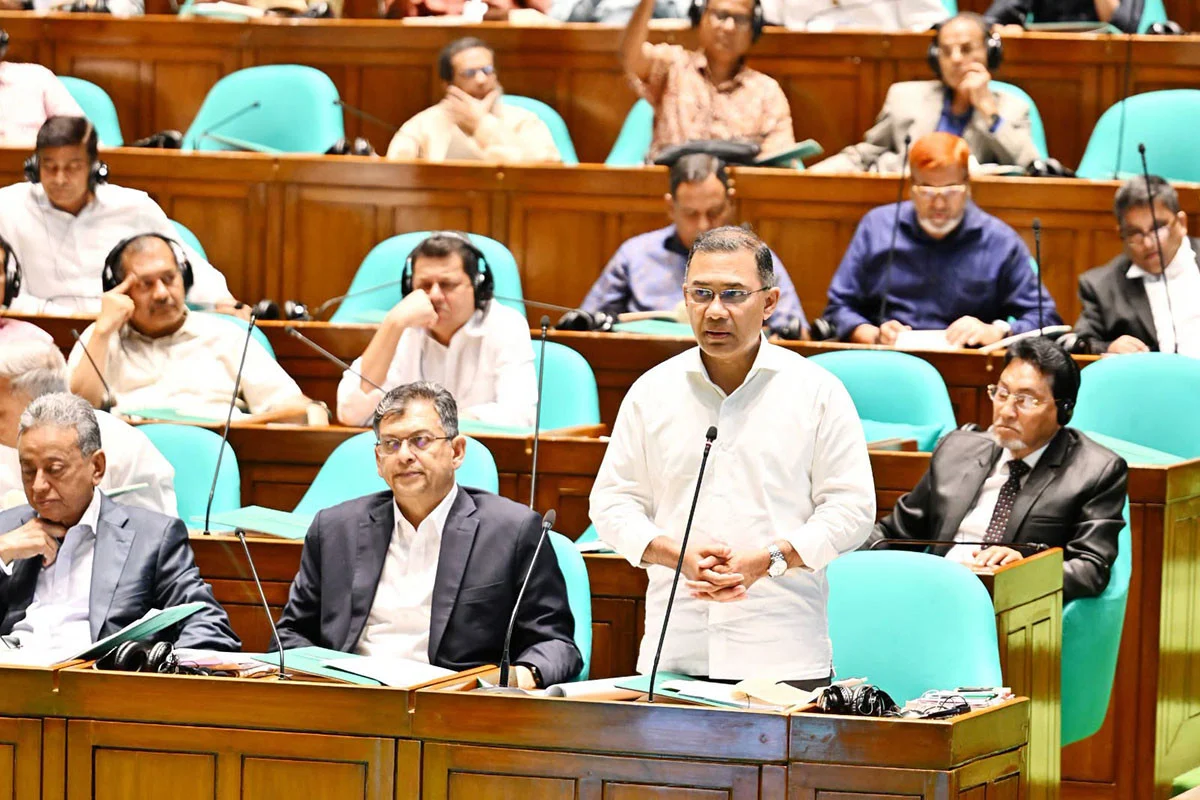
The prime minister made the remarks in response to a written question from Mobasher Alam Bhuiyan, a member of parliament from the Cumilla-10 constituency, during the question-answer session of the third session of the 13th Jatiya Sangsad on Wednesday.

The parliamentary session began at 3:30pm with Speaker Hafiz Uddin Ahmad in the chair. At the outset, the prime minister answered written questions during the question-answer session.

Tarique Rahman said extensions of project timelines and costs in government development projects in Bangladesh are generally not caused by a single factor. Rather, weaknesses in project formulation, approval, land acquisition, financing, procurement and management are interconnected and contribute to the problem.

He said the government has taken various measures after becoming aware of the growing tendency for project timelines and costs to increase. These include ensuring accurate feasibility studies before undertaking new projects and expediting implementation preparations after project approval.

The prime minister said work is underway to update the existing guidelines on project formulation, processing, approval and revision. Dashboards are also being established in the relevant ministries and divisions to strengthen monitoring of the progress of ongoing projects. Regular project reviews and closer field-level supervision have also been intensified.

He said coordination among relevant agencies is being strengthened to expedite land acquisition and utility relocation.

The prime minister also said instructions have been issued to review delays, irregularities, cost increases and revisions in projects that were not completed within the stipulated timeframe, and to take action against individuals and institutions responsible for the delays in accordance with the rules.

He said that for projects with less than 30 percent implementation progress, the relevant ministries and divisions are taking appropriate measures regarding whether to restructure, revise the scope of or continue the projects after assessing their relevance and effectiveness.

In addition, instructions have been given to undertake cluster projects under integrated programmes instead of taking up projects in an isolated manner. The prime minister also mentioned expanding the use of the e-GP system in government procurement.

Tarique Rahman said professional qualifications, skills and practical experience would be given the highest priority in appointing project directors, while steps have also been taken to ensure continuity in responsibilities where necessary. He said the existing policy is being updated accordingly.

The government has also instructed authorities to give greater importance to undertaking projects under the public-private partnership (PPP) model.

At the same time, initiatives have been taken to update the Public Procurement Rules 2025 to make government procurement more competitive and accountable.


PM Issues New Directives to Prevent Repeated Extensions of Project Timelines and Costs

Update Time: 07:44:02 pm, Wednesday, 9 September 2026

Prime Minister Tarique Rahman has said that several measures have been taken to curb the tendency of repeatedly extending the timelines and costs of government development projects.

He said weak feasibility studies, inaccurate cost estimates, delays in land acquisition, prolonged procurement processes, inadequate monitoring and a lack of accountability are among the reasons behind repeated extensions of project timelines and costs.

The prime minister made the remarks in response to a written question from Mobasher Alam Bhuiyan, a member of parliament from the Cumilla-10 constituency, during the question-answer session of the third session of the 13th Jatiya Sangsad on Wednesday.

The parliamentary session began at 3:30pm with Speaker Hafiz Uddin Ahmad in the chair. At the outset, the prime minister answered written questions during the question-answer session.

Tarique Rahman said extensions of project timelines and costs in government development projects in Bangladesh are generally not caused by a single factor. Rather, weaknesses in project formulation, approval, land acquisition, financing, procurement and management are interconnected and contribute to the problem.

He said the government has taken various measures after becoming aware of the growing tendency for project timelines and costs to increase. These include ensuring accurate feasibility studies before undertaking new projects and expediting implementation preparations after project approval.

The prime minister said work is underway to update the existing guidelines on project formulation, processing, approval and revision. Dashboards are also being established in the relevant ministries and divisions to strengthen monitoring of the progress of ongoing projects. Regular project reviews and closer field-level supervision have also been intensified.

He said coordination among relevant agencies is being strengthened to expedite land acquisition and utility relocation.

The prime minister also said instructions have been issued to review delays, irregularities, cost increases and revisions in projects that were not completed within the stipulated timeframe, and to take action against individuals and institutions responsible for the delays in accordance with the rules.

He said that for projects with less than 30 percent implementation progress, the relevant ministries and divisions are taking appropriate measures regarding whether to restructure, revise the scope of or continue the projects after assessing their relevance and effectiveness.

In addition, instructions have been given to undertake cluster projects under integrated programmes instead of taking up projects in an isolated manner. The prime minister also mentioned expanding the use of the e-GP system in government procurement.

Tarique Rahman said professional qualifications, skills and practical experience would be given the highest priority in appointing project directors, while steps have also been taken to ensure continuity in responsibilities where necessary. He said the existing policy is being updated accordingly.

The government has also instructed authorities to give greater importance to undertaking projects under the public-private partnership (PPP) model.

At the same time, initiatives have been taken to update the Public Procurement Rules 2025 to make government procurement more competitive and accountable.