


Dhaka 3:43 pm, Monday, 9 November 2026

Government Announces Multiple Measures to Prevent Dengue

The government has taken a series of measures, including a three-month special cleanliness and public awareness campaign, to reduce the spread of dengue. Health and Family Welfare State Minister Dr MA Muhit has held a meeting with civil surgeons from all districts and issued instructions to implement the programmes.

The dengue infection rate is feared to reach its peak by the end of September or early October. Against this backdrop, the government has launched a three-month cleanliness and public awareness campaign. Prime Minister Tarique Rahman is scheduled to inaugurate the programme on September 12.

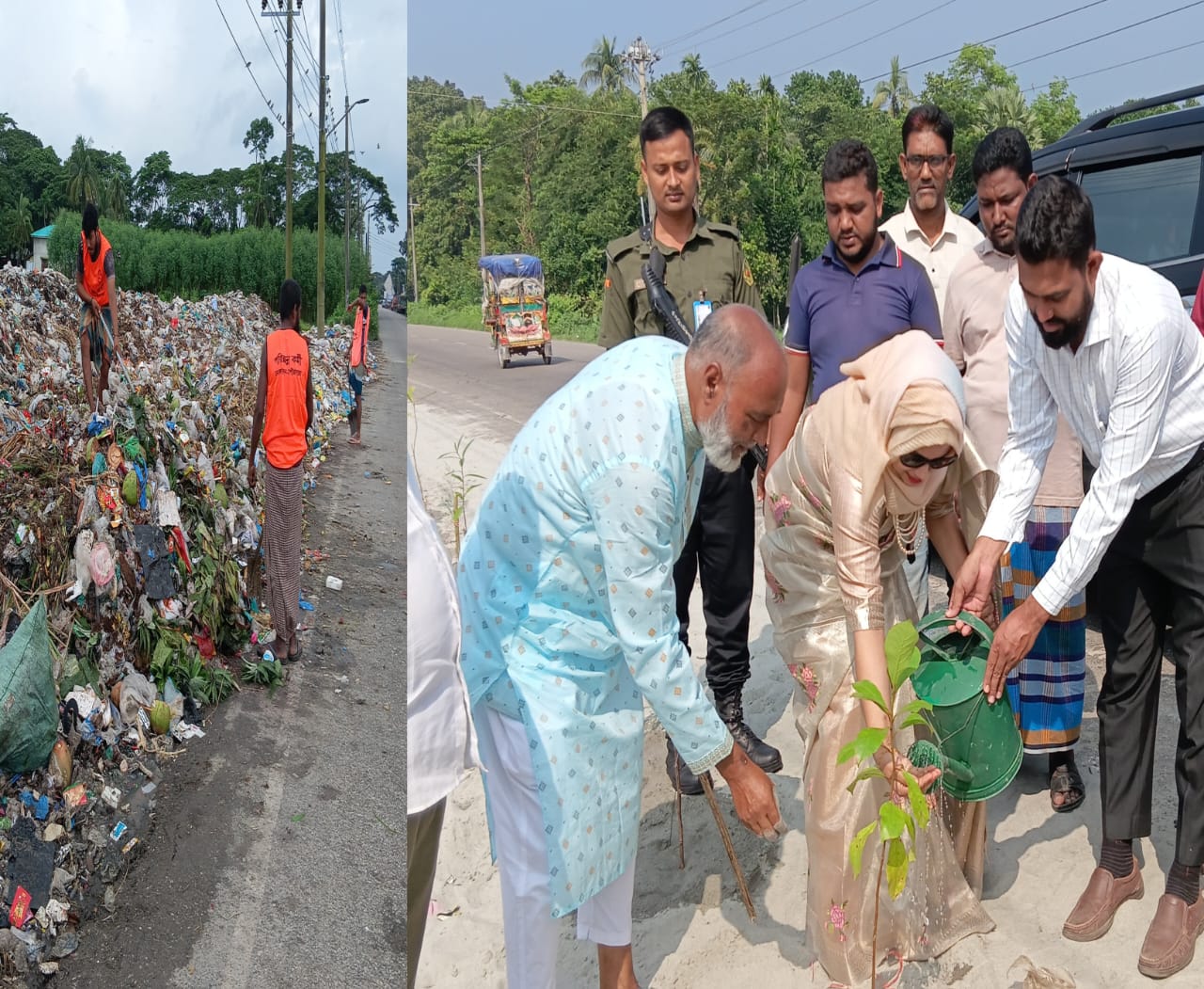
Since taking office, the current government has placed special emphasis on dengue prevention, beginning in March this year. As part of the efforts, special cleanliness drives have been conducted every Saturday. The government has also formed mobile courts to inspect institutions and residential areas and identify Aedes mosquito larvae.

Dengue corners have been established at upazila hospitals. A field hospital has also been kept ready at the Dhaka Medical College Hospital grounds to handle an increased patient load.

In addition, around 300 doctors across the country have received special training to provide treatment to dengue patients. Government hospitals have been instructed to provide dengue tests free of charge.

Private hospitals have been instructed to provide free treatment to dengue patients using 10 percent of their beds. Diagnostic centres have also been directed to offer an 80 percent discount on dengue-related tests. Meanwhile, with the assistance of the Bangladesh Society of Medicine, the integrated treatment guidelines for dengue have been updated.

As part of the special cleanliness and awareness campaign, the government has announced plans to involve volunteers from the Ministry of Disaster Management and Relief, as well as Scouts, Bangladesh National Cadet Corps (BNCC), Girl Guides, Bangladesh Red Crescent Society volunteers, and school and college students.

As the number of dengue-related deaths and hospital admissions continues to rise, Health and Family Welfare State Minister Dr MA Muhit instructed all civil surgeons through a Zoom meeting to strengthen hospital preparedness and intensify public awareness activities.

According to civil surgeons, they have been instructed to give priority to dengue patients for hospital admission and increase the number of designated dengue beds according to the capacity of individual hospitals.

They have also been instructed to ensure mosquito nets for dengue patients as well as patients in adjacent wards to prevent the spread of infection. In addition, hospital authorities have been told to purchase necessary saline, medicines and dengue testing kits from their own funds if shortages arise.

Speaking about the measures, Directorate General of Health Services (DGHS) Director General Prof Dr Prabhat Chandra Biswas said, “At the direction of the Prime Minister, we held a Zoom meeting with civil surgeons from across the country. Instructions have been given to admit dengue patients on a priority basis and increase the number of designated dengue beds wherever possible so that hospitals do not face a shortage of beds.”

He said hospitals currently have adequate stocks of dengue testing kits and saline. However, if any shortage occurs, hospitals have been instructed to procure the necessary supplies promptly using their own budgets.

Dhaka Civil Surgeon Dr Zakaria Mahmud said saline and dengue testing kits have already been distributed to hospitals and that there is currently no shortage of these supplies.

“We have been instructed to remain vigilant at all times so that no crisis develops,” he said.

Health State Minister Dr MA Muhit has urged everyone to keep their workplaces and homes clean and launch a nationwide social movement to prevent a possible dengue epidemic.

The DGHS director general said civil surgeons have been instructed to involve people from all walks of life in raising awareness and preventing dengue. Awareness activities will be coordinated through mosque imams and schools under the school health programme, he added.

At the first meeting of the National Committee on Prevention of Dengue and Other Mosquito-Borne Diseases on June 23 this year, a high-level task force was formed at the initiative of the Local Government Division. State Minister for Local Government, Rural Development and Cooperatives Mir Shahe Alam is serving as chairman of the task force.

The task force is responsible for ensuring implementation of decisions taken by the national committee at the grassroots level, providing necessary guidance, coordinating among various ministries and agencies, and regularly informing the national committee about progress in the field. It will also play an effective role in resolving any problems that arise during implementation.

According to DGHS data, 45,475 people have been infected with dengue since the beginning of this year through September 8, while 130 people have died during the period.

Meanwhile, a cell has been formed comprising directors of the Centre for Disease Control (CDC), Institute of Epidemiology, Disease Control and Research (IEDCR), Management Information System (MIS) and Hospital Branch to monitor the dengue situation and take necessary measures in a timely manner.


Government Announces Multiple Measures to Prevent Dengue

Update Time: 12:38:20 pm, Wednesday, 9 September 2026

The government has taken a series of measures, including a three-month special cleanliness and public awareness campaign, to reduce the spread of dengue. Health and Family Welfare State Minister Dr MA Muhit has held a meeting with civil surgeons from all districts and issued instructions to implement the programmes.

The dengue infection rate is feared to reach its peak by the end of September or early October. Against this backdrop, the government has launched a three-month cleanliness and public awareness campaign. Prime Minister Tarique Rahman is scheduled to inaugurate the programme on September 12.

Since taking office, the current government has placed special emphasis on dengue prevention, beginning in March this year. As part of the efforts, special cleanliness drives have been conducted every Saturday. The government has also formed mobile courts to inspect institutions and residential areas and identify Aedes mosquito larvae.

Dengue corners have been established at upazila hospitals. A field hospital has also been kept ready at the Dhaka Medical College Hospital grounds to handle an increased patient load.

In addition, around 300 doctors across the country have received special training to provide treatment to dengue patients. Government hospitals have been instructed to provide dengue tests free of charge.

Private hospitals have been instructed to provide free treatment to dengue patients using 10 percent of their beds. Diagnostic centres have also been directed to offer an 80 percent discount on dengue-related tests. Meanwhile, with the assistance of the Bangladesh Society of Medicine, the integrated treatment guidelines for dengue have been updated.

As part of the special cleanliness and awareness campaign, the government has announced plans to involve volunteers from the Ministry of Disaster Management and Relief, as well as Scouts, Bangladesh National Cadet Corps (BNCC), Girl Guides, Bangladesh Red Crescent Society volunteers, and school and college students.

As the number of dengue-related deaths and hospital admissions continues to rise, Health and Family Welfare State Minister Dr MA Muhit instructed all civil surgeons through a Zoom meeting to strengthen hospital preparedness and intensify public awareness activities.

According to civil surgeons, they have been instructed to give priority to dengue patients for hospital admission and increase the number of designated dengue beds according to the capacity of individual hospitals.

They have also been instructed to ensure mosquito nets for dengue patients as well as patients in adjacent wards to prevent the spread of infection. In addition, hospital authorities have been told to purchase necessary saline, medicines and dengue testing kits from their own funds if shortages arise.

Speaking about the measures, Directorate General of Health Services (DGHS) Director General Prof Dr Prabhat Chandra Biswas said, “At the direction of the Prime Minister, we held a Zoom meeting with civil surgeons from across the country. Instructions have been given to admit dengue patients on a priority basis and increase the number of designated dengue beds wherever possible so that hospitals do not face a shortage of beds.”

He said hospitals currently have adequate stocks of dengue testing kits and saline. However, if any shortage occurs, hospitals have been instructed to procure the necessary supplies promptly using their own budgets.

Dhaka Civil Surgeon Dr Zakaria Mahmud said saline and dengue testing kits have already been distributed to hospitals and that there is currently no shortage of these supplies.

“We have been instructed to remain vigilant at all times so that no crisis develops,” he said.

Health State Minister Dr MA Muhit has urged everyone to keep their workplaces and homes clean and launch a nationwide social movement to prevent a possible dengue epidemic.

The DGHS director general said civil surgeons have been instructed to involve people from all walks of life in raising awareness and preventing dengue. Awareness activities will be coordinated through mosque imams and schools under the school health programme, he added.

At the first meeting of the National Committee on Prevention of Dengue and Other Mosquito-Borne Diseases on June 23 this year, a high-level task force was formed at the initiative of the Local Government Division. State Minister for Local Government, Rural Development and Cooperatives Mir Shahe Alam is serving as chairman of the task force.

The task force is responsible for ensuring implementation of decisions taken by the national committee at the grassroots level, providing necessary guidance, coordinating among various ministries and agencies, and regularly informing the national committee about progress in the field. It will also play an effective role in resolving any problems that arise during implementation.

According to DGHS data, 45,475 people have been infected with dengue since the beginning of this year through September 8, while 130 people have died during the period.

Meanwhile, a cell has been formed comprising directors of the Centre for Disease Control (CDC), Institute of Epidemiology, Disease Control and Research (IEDCR), Management Information System (MIS) and Hospital Branch to monitor the dengue situation and take necessary measures in a timely manner.