Dhaka 3:43 pm, Monday, 9 November 2026

Democracy Cannot Survive Without a Free Media: President

President Mirza Fakhrul Islam Alamgir has said that the media is the core strength of democracy and that protecting democracy requires protecting the media as well.

“The media must remain on the right path and play a responsible role in protecting the country’s independence and sovereignty and ensuring good governance,” the president said.

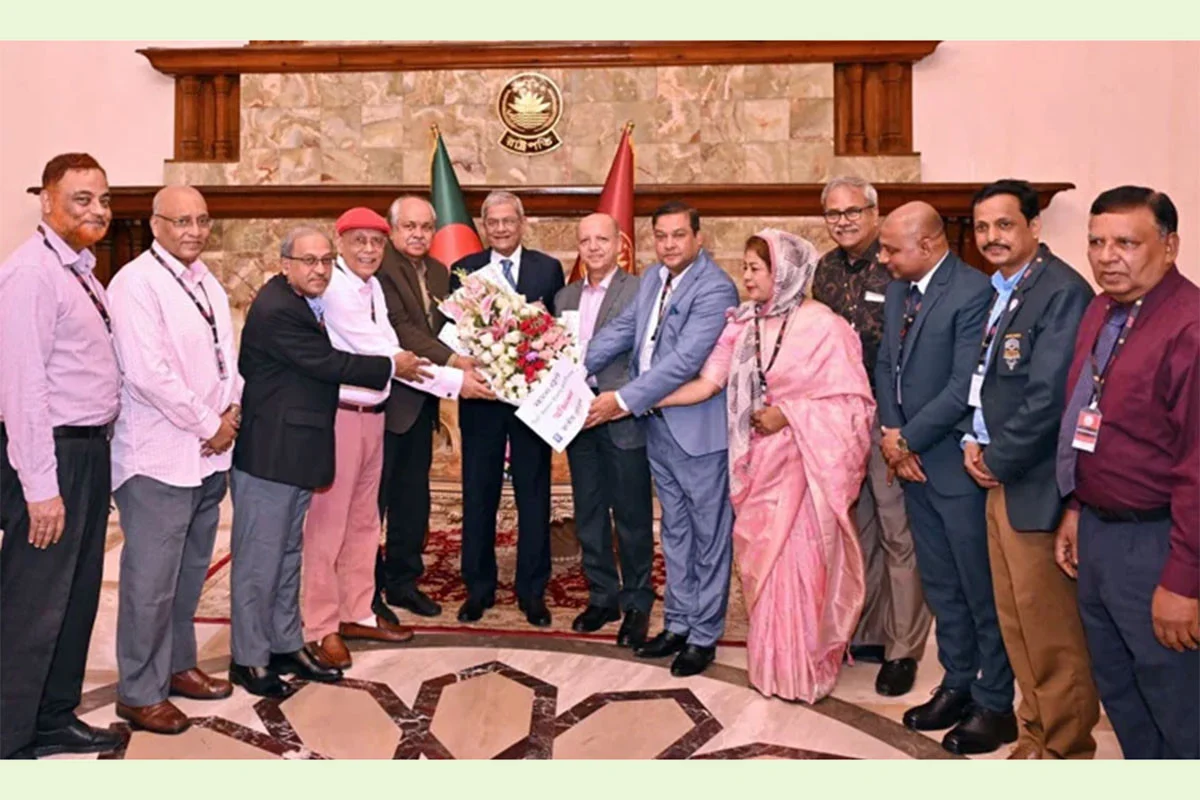
He made the remarks on Tuesday afternoon when a 12-member delegation of the National Press Club Managing Committee paid a courtesy call on him at Bangabhaban.

Referring to his longstanding relationship with the National Press Club, President Mirza Fakhrul said, “My relationship with the Press Club is not merely political; it is a longstanding emotional bond. You stood by me during the most difficult times of my life, and that has been a great source of strength for me.”

He expressed hope that he would be able to extend all possible cooperation for the welfare of journalists.

“You can rest assured that I will try to do whatever is possible from my position for you,” he said.

The president also stressed the need to take initiatives to reopen Daily Bangla and other newspapers that have remained closed.

Calling for unity among journalists, he said, “Unity within the journalist community is extremely important. Division can never bring success. If you can unite on fundamental issues, you will be able to build effective relations with both the government and the opposition.”

He also called for effective measures to ensure journalists’ safety and to prevent irregularities and mass layoffs in the media industry.

Emphasising the need to address the employment crisis among journalists, the president said that reopening closed newspapers, particularly those under special trusts, could create employment opportunities for at least 1,000 journalists.

He urged the concerned authorities to take effective steps in this regard.

The president also called on journalists to work toward changing the mindset of the younger generation to strengthen democracy in the country.

“Democracy is a culture. It must be institutionalised. For that, we need a positive change in our mindset. We must move away from old authoritarian thinking and embrace democratic values. It is also essential to develop democratic language and attitudes among the new generation. Even after bringing about change through a movement, if the old mindset remains, genuine change will not be possible,” he said.

He urged the media to offer reasonable and constructive criticism of the government while also highlighting its good initiatives appropriately through the media and social platforms.

“The elected government must be given time to work,” he said, stressing the importance of properly reporting the fuel crisis caused by global factors, including the war in the Middle East.

Recalling the long-standing heritage of the National Press Club, President Mirza Fakhrul also acknowledged the contributions of former President Ziaur Rahman and former Prime Minister Khaleda Zia to the development of the institution.

He emphasised effective coordination with the government for the development of the National Press Club, which he described as a central institution of the country’s media community.

National Press Club President Hasan Hafiz introduced the other members of the delegation to the president and conveyed greetings and congratulations to him on behalf of the organisation. He also invited the president to visit the Press Club at a convenient time.

Press Club General Secretary Ayub Bhuiyan recalled his past association with the president, saying, “You were like a member of our family at the Press Club. We are proud and delighted that one of our own has assumed the office of president.”

Member Kader Gani Chowdhury highlighted incidents of malpractice in journalism in the past and sought the president’s cooperation in maintaining responsible journalism.

Member Syed Abdal Ahmed also recalled his past memories with the president and his sacrifices and contributions to safeguarding democracy.

He said journalists had faced various forms of restrictions and controls over the past 17 years, to the extent that the very definition of journalism had to be altered.

“But in recent days, we have been able to write freely and speak freely. This freedom must remain intact and continue,” he said.

He added, “Journalists bring the truth before you. In other places, you may not always hear things that make you happy. But if you want to know the truth, you have to turn to journalists. This path must continue and this freedom must remain intact.”

He also sought the cooperation of the government and the president for the swift implementation of the 10th Wage Board for the welfare of media organisations and journalists.

When the journalist leaders sought the president’s assistance in expanding the infrastructure of the Press Club, he assured them of his cooperation.

The National Press Club delegation included President Hasan Hafiz, General Secretary Ayub Bhuiyan, and members Kader Gani Chowdhury, Abdul Hai Shikder, Syed Abdal Ahmed, Kazi Rawnak Hossain, Zahidul Islam Rony, Shahnaz Begum Polly, Masum ur Rahman Khalili and A.K.M. Mohsin.

The president’s Military Secretary, Secretary, Press Secretary and other senior officials were present during the meeting.


Democracy Cannot Survive Without a Free Media: President

Update Time: 08:17:28 pm, Tuesday, 8 September 2026

President Mirza Fakhrul Islam Alamgir has said that the media is the core strength of democracy and that protecting democracy requires protecting the media as well.

“The media must remain on the right path and play a responsible role in protecting the country’s independence and sovereignty and ensuring good governance,” the president said.

He made the remarks on Tuesday afternoon when a 12-member delegation of the National Press Club Managing Committee paid a courtesy call on him at Bangabhaban.

Referring to his longstanding relationship with the National Press Club, President Mirza Fakhrul said, “My relationship with the Press Club is not merely political; it is a longstanding emotional bond. You stood by me during the most difficult times of my life, and that has been a great source of strength for me.”

He expressed hope that he would be able to extend all possible cooperation for the welfare of journalists.

“You can rest assured that I will try to do whatever is possible from my position for you,” he said.

The president also stressed the need to take initiatives to reopen Daily Bangla and other newspapers that have remained closed.

Calling for unity among journalists, he said, “Unity within the journalist community is extremely important. Division can never bring success. If you can unite on fundamental issues, you will be able to build effective relations with both the government and the opposition.”

He also called for effective measures to ensure journalists’ safety and to prevent irregularities and mass layoffs in the media industry.

Emphasising the need to address the employment crisis among journalists, the president said that reopening closed newspapers, particularly those under special trusts, could create employment opportunities for at least 1,000 journalists.

He urged the concerned authorities to take effective steps in this regard.

The president also called on journalists to work toward changing the mindset of the younger generation to strengthen democracy in the country.

“Democracy is a culture. It must be institutionalised. For that, we need a positive change in our mindset. We must move away from old authoritarian thinking and embrace democratic values. It is also essential to develop democratic language and attitudes among the new generation. Even after bringing about change through a movement, if the old mindset remains, genuine change will not be possible,” he said.

He urged the media to offer reasonable and constructive criticism of the government while also highlighting its good initiatives appropriately through the media and social platforms.

“The elected government must be given time to work,” he said, stressing the importance of properly reporting the fuel crisis caused by global factors, including the war in the Middle East.

Recalling the long-standing heritage of the National Press Club, President Mirza Fakhrul also acknowledged the contributions of former President Ziaur Rahman and former Prime Minister Khaleda Zia to the development of the institution.

He emphasised effective coordination with the government for the development of the National Press Club, which he described as a central institution of the country’s media community.

National Press Club President Hasan Hafiz introduced the other members of the delegation to the president and conveyed greetings and congratulations to him on behalf of the organisation. He also invited the president to visit the Press Club at a convenient time.

Press Club General Secretary Ayub Bhuiyan recalled his past association with the president, saying, “You were like a member of our family at the Press Club. We are proud and delighted that one of our own has assumed the office of president.”

Member Kader Gani Chowdhury highlighted incidents of malpractice in journalism in the past and sought the president’s cooperation in maintaining responsible journalism.

Member Syed Abdal Ahmed also recalled his past memories with the president and his sacrifices and contributions to safeguarding democracy.

He said journalists had faced various forms of restrictions and controls over the past 17 years, to the extent that the very definition of journalism had to be altered.

“But in recent days, we have been able to write freely and speak freely. This freedom must remain intact and continue,” he said.

He added, “Journalists bring the truth before you. In other places, you may not always hear things that make you happy. But if you want to know the truth, you have to turn to journalists. This path must continue and this freedom must remain intact.”

He also sought the cooperation of the government and the president for the swift implementation of the 10th Wage Board for the welfare of media organisations and journalists.

When the journalist leaders sought the president’s assistance in expanding the infrastructure of the Press Club, he assured them of his cooperation.

The National Press Club delegation included President Hasan Hafiz, General Secretary Ayub Bhuiyan, and members Kader Gani Chowdhury, Abdul Hai Shikder, Syed Abdal Ahmed, Kazi Rawnak Hossain, Zahidul Islam Rony, Shahnaz Begum Polly, Masum ur Rahman Khalili and A.K.M. Mohsin.

The president’s Military Secretary, Secretary, Press Secretary and other senior officials were present during the meeting.