

Dhaka 3:39 pm, Monday, 9 November 2026

Bangladesh Seeks Norway’s Support for Family Card Programme, Women and Child Protection

Bangladesh has stressed the need to strengthen cooperation with Norway in women and child development, women’s economic empowerment and addressing the risks posed by climate change. The country has also sought Norway’s technical assistance for the Family Card programme, developing skilled caregivers, facilitating access to European markets for handicrafts made by rural women, and modernising DNA laboratories.

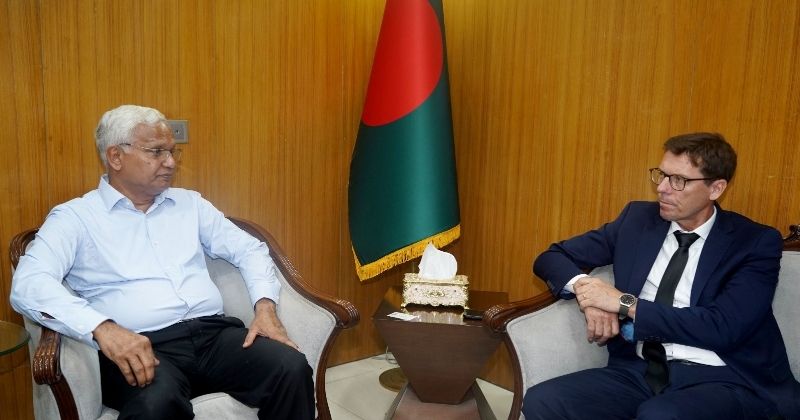
The issues were discussed during a courtesy meeting between Norwegian Ambassador to Bangladesh Håkon Arald Gulbrandsen and Minister for Women and Children Affairs and Social Welfare Professor Dr A.Z.M. Zahid Hossain at the Bangladesh Secretariat on Tuesday (September 8). Secretary of the Ministry of Women and Children Affairs Dr Rowshan Ara Begum was also present.

The meeting covered a range of issues, including women’s education, gender equality, women’s economic empowerment, women’s participation in the workplace and politics, their role in decision-making, protection of child rights and elimination of child labour.

The two sides also discussed preventing violence against women and children, specialised schools for children with special needs, the readymade garment sector, caregiving, climate change, carbon trading, inheritance laws and modernisation of DNA laboratory operations.

When the Norwegian ambassador sought details about the Family Card programme, the minister outlined its objectives and activities. He said Family Cards were being issued in women’s names, with priority given to women’s rights in line with the government’s election pledge. The plan is to provide one card for every family of up to five members.

The minister said the Family Card programme is not a government expense but an effective and sustainable social investment. Women will be able to use the funds received through the card for nutritious food, essential commodities, their children’s education and healthcare, small businesses and savings, among other needs.

He said the government is working to build an inclusive and humane Bangladesh by engaging people from all sections of society, including women and children. As part of the initiative, women at the grassroots level are being provided with training in various trades at upazila-level training centres.

Alongside training, initiatives have also been taken to create employment opportunities for women and provide seed money, he said. The government is also expanding daycare centre services across the country to reduce the difficulties faced by working mothers.

During the meeting, the Norwegian ambassador shared his experience of serving in Bangladesh over the past two years. He praised the country’s progress in women’s education and economic empowerment and highlighted the significant contribution of Bangladeshi women to the readymade garment industry.

Referring to climate-related risks in southern Bangladesh, the ambassador called for further strengthening government welfare programmes to protect women and children in the region.

Noting the growing demand for skilled caregivers in the international labour market, the minister said Bangladesh wants to develop caregivers who meet international standards. He sought Norway’s cooperation in providing training and creating overseas employment opportunities in the sector.

The minister also sought Norway’s assistance in expanding opportunities to export traditional handicrafts made by rural Bangladeshi women to markets in Norway and other European countries.

At one point during the meeting, the minister sought Norwegian technical assistance to modernise the capacity of Bangladesh’s DNA laboratories. The Norwegian ambassador expressed a positive response to the proposal.

The minister described Norway as a reliable and friendly development partner of Bangladesh and expressed gratitude for the country’s development assistance and support at various times since independence. He expressed hope that Norway’s development and technical cooperation with Bangladesh would continue in the future.

Bangladesh Seeks Norway’s Support for Family Card Programme, Women and Child Protection

Update Time: 04:44:37 pm, Tuesday, 8 September 2026

Bangladesh has stressed the need to strengthen cooperation with Norway in women and child development, women’s economic empowerment and addressing the risks posed by climate change. The country has also sought Norway’s technical assistance for the Family Card programme, developing skilled caregivers, facilitating access to European markets for handicrafts made by rural women, and modernising DNA laboratories.

The issues were discussed during a courtesy meeting between Norwegian Ambassador to Bangladesh Håkon Arald Gulbrandsen and Minister for Women and Children Affairs and Social Welfare Professor Dr A.Z.M. Zahid Hossain at the Bangladesh Secretariat on Tuesday (September 8). Secretary of the Ministry of Women and Children Affairs Dr Rowshan Ara Begum was also present.

The meeting covered a range of issues, including women’s education, gender equality, women’s economic empowerment, women’s participation in the workplace and politics, their role in decision-making, protection of child rights and elimination of child labour.

The two sides also discussed preventing violence against women and children, specialised schools for children with special needs, the readymade garment sector, caregiving, climate change, carbon trading, inheritance laws and modernisation of DNA laboratory operations.

When the Norwegian ambassador sought details about the Family Card programme, the minister outlined its objectives and activities. He said Family Cards were being issued in women’s names, with priority given to women’s rights in line with the government’s election pledge. The plan is to provide one card for every family of up to five members.

The minister said the Family Card programme is not a government expense but an effective and sustainable social investment. Women will be able to use the funds received through the card for nutritious food, essential commodities, their children’s education and healthcare, small businesses and savings, among other needs.

He said the government is working to build an inclusive and humane Bangladesh by engaging people from all sections of society, including women and children. As part of the initiative, women at the grassroots level are being provided with training in various trades at upazila-level training centres.

Alongside training, initiatives have also been taken to create employment opportunities for women and provide seed money, he said. The government is also expanding daycare centre services across the country to reduce the difficulties faced by working mothers.

During the meeting, the Norwegian ambassador shared his experience of serving in Bangladesh over the past two years. He praised the country’s progress in women’s education and economic empowerment and highlighted the significant contribution of Bangladeshi women to the readymade garment industry.

Referring to climate-related risks in southern Bangladesh, the ambassador called for further strengthening government welfare programmes to protect women and children in the region.

Noting the growing demand for skilled caregivers in the international labour market, the minister said Bangladesh wants to develop caregivers who meet international standards. He sought Norway’s cooperation in providing training and creating overseas employment opportunities in the sector.

The minister also sought Norway’s assistance in expanding opportunities to export traditional handicrafts made by rural Bangladeshi women to markets in Norway and other European countries.

At one point during the meeting, the minister sought Norwegian technical assistance to modernise the capacity of Bangladesh’s DNA laboratories. The Norwegian ambassador expressed a positive response to the proposal.

The minister described Norway as a reliable and friendly development partner of Bangladesh and expressed gratitude for the country’s development assistance and support at various times since independence. He expressed hope that Norway’s development and technical cooperation with Bangladesh would continue in the future.