

Dhaka 3:04 pm, Monday, 9 November 2026

Stolen Lemurs from Safari Park Found at Ambani’s Zoo in Gujarat

Two of three endangered ring-tailed lemurs stolen from Gazipur Safari Park have been found in Gujarat, India. The two animals are currently at ‘Vantara’, billionaire Anant Ambani’s wildlife rescue and conservation project. According to information uncovered by the Criminal Investigation Department (CID), the two lemurs changed hands several times before being sold for around Rs 4.8 million in India.

Bangladesh has sought assistance from Interpol to bring the stolen lemurs back to the country. However, the absence of microchips, unique identification numbers or preserved DNA profiles in the animals has created complications in establishing their ownership and identity and repatriating them.

Vantara is owned by Reliance, one of India’s leading business conglomerates. It is part of a wildlife conservation centre spread across 3,500 acres. Although the facility began operating earlier, Indian Prime Minister Narendra Modi formally inaugurated it in March 2025. Anant Ambani, younger son of Reliance Chairman and billionaire Mukesh Ambani, is responsible for managing the project.

The information about the theft and trafficking of the lemurs emerged during the CID investigation and from confessional statements given by arrested suspects before a court.

Investigators said three lemurs were stolen from Safari Park late at night on March 23, 2025. Two of them were later smuggled into India through the Darshana border in Chuadanga. The Safari Park authorities filed a case the following day, and the CID is investigating it.

According to the investigation, a wildlife trafficker named Jewel stole the lemurs with the assistance of Nipen Mahmud, a security guard employed through an outsourcing arrangement. The animals were placed in sacks and taken to a house. Videos and photographs of the lemurs were then sent to potential buyers in India.

At one point, two men identified as Bablu from Kolkata and Shiplu from Mumbai came to Bangladesh in May 2025. Delwar and Tapan allegedly coordinated and facilitated their activities in Bangladesh. Investigators said a deal was reached to sell an adult lemur and a juvenile for Tk 1.7 million, while the other juvenile was priced at Tk 300,000.

According to the confessional statements of the arrested suspects, two lemurs were sent to India through the Darshana border with the assistance of a local border line-man. After changing hands several times, the animals reached Jamnagar in Gujarat. Indian buyers later sold them to an organisation associated with the Vantara project for around Rs 4.8 million.

The Bangladeshi investigators became aware of the matter after photographs of the two lemurs at Vantara were posted on social media. After finding similarities between the animals in the photographs and the lemurs stolen from Gazipur Safari Park, efforts were launched to bring them back to Bangladesh.

Police officials involved in the investigation said microchips, registration numbers and genetic profiles are important at the international level for establishing the ownership and identity of trafficked wildlife. However, despite spending more than five years at the Safari Park, the lemurs did not have preserved DNA profiles. No DNA profiling, microchipping or unique identification system had been put in place for them.

As a result, it has become difficult to scientifically establish that the two lemurs currently at the zoo in Gujarat are the same animals stolen from Gazipur Safari Park. Investigators are now attempting to create a DNA profile of the juvenile lemur that remains in Bangladesh and establish its genetic relationship with the two trafficked animals.

Inspector Sunil Das, the investigating officer in the lemur theft case, said the two rare lemurs had been brought into Bangladesh through Hazrat Shahjalal International Airport in August 2018 under a false customs declaration. They were later transferred to Gazipur Safari Park after being detected.

“Once the animals were kept at the Safari Park, an international trafficking network became interested in them. At one point, the lemurs were stolen with the assistance of a security guard and smuggled across the border,” he said.

He added that those involved in the incident had been brought under the law and most of the accused had given confessional statements.

During a raid by customs intelligence officials at Hazrat Shahjalal International Airport, a large illegal consignment of rare birds and animals was seized. The shipment included several lovebirds, cockatoos, macaws, peacocks and a pair of lemurs. Part of the seized consignment was later sent to Gazipur Safari Park.

The investigation found that the lemurs had been imported after being falsely declared as birds. While at the Safari Park, the pair produced two offspring. After the male lemur died, the female and her two offspring remained at the park.

The CID said a total of eight people have been accused in the case. Six of them have given confessional statements under Section 164 before a court. Statements could not be obtained from two accused, Delwar and Zahir Mia. They were released on bail after their arrests and subsequently went into hiding.

Investigators also found allegations linking Zahir Mia to an earlier incident involving the theft of macaw birds.

The company that imported the lemurs in 2018 was named ASHA Enterprise. Its office in Monipuripara, Tejgaon, was found locked when reporters visited.

Mohammad Atiul Hafiz Sad, proprietor of the company, said over the phone, “The C&F agent business is a family business of ours. At the moment, we do not have information about who imported the lemurs under a false declaration.”

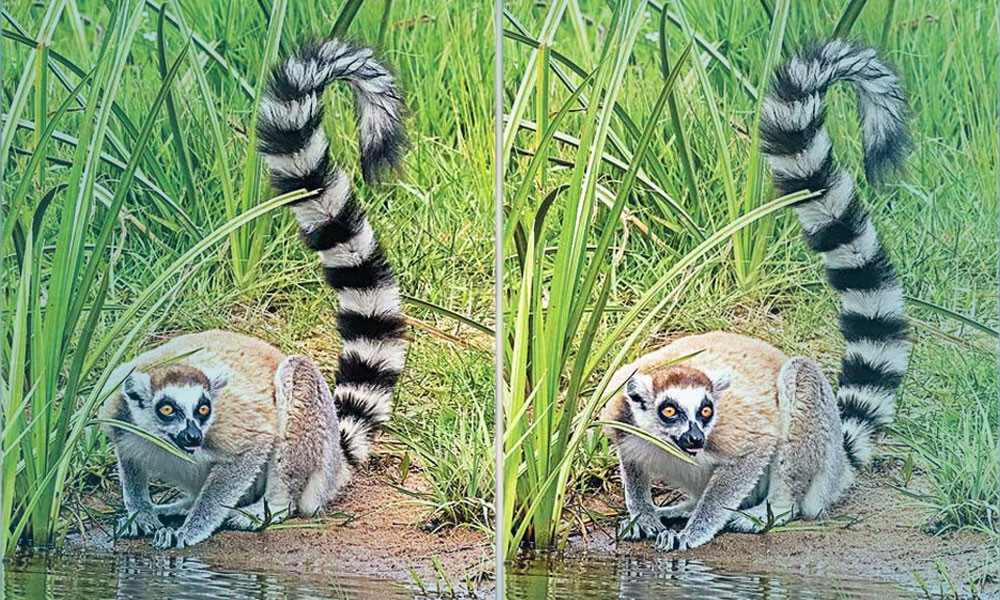
The ring-tailed lemur, native to Madagascar, an island off the coast of Africa, is known for its distinctive long tail marked with black-and-white rings. The species is listed as ‘Critically Endangered’ on the International Union for Conservation of Nature (IUCN) Red List. It is also included in Appendix I of the Convention on International Trade in Endangered Species of Wild Fauna and Flora (CITES), meaning international commercial trade in the species is prohibited except under exceptional circumstances.

Wildlife and zoo expert Mohammad Reza Khan said individual identification information, including DNA profiles, should be preserved as soon as rare and endangered animals are brought into conservation facilities.

“This makes it easier to establish an animal’s identity and ownership if it is stolen or trafficked,” he said.

He also called for increased technology-based surveillance, particularly CCTV and other modern monitoring systems, to prevent wildlife trafficking across the border.

He stressed the need to identify and bring to justice networks involved in the theft and trafficking of wildlife within Bangladesh. He said coordination among the Forest Department, law enforcement agencies and intelligence agencies should also be strengthened.


Stolen Lemurs from Safari Park Found at Ambani’s Zoo in Gujarat

Update Time: 02:46:37 pm, Tuesday, 8 September 2026

Two of three endangered ring-tailed lemurs stolen from Gazipur Safari Park have been found in Gujarat, India. The two animals are currently at ‘Vantara’, billionaire Anant Ambani’s wildlife rescue and conservation project. According to information uncovered by the Criminal Investigation Department (CID), the two lemurs changed hands several times before being sold for around Rs 4.8 million in India.

Bangladesh has sought assistance from Interpol to bring the stolen lemurs back to the country. However, the absence of microchips, unique identification numbers or preserved DNA profiles in the animals has created complications in establishing their ownership and identity and repatriating them.

Vantara is owned by Reliance, one of India’s leading business conglomerates. It is part of a wildlife conservation centre spread across 3,500 acres. Although the facility began operating earlier, Indian Prime Minister Narendra Modi formally inaugurated it in March 2025. Anant Ambani, younger son of Reliance Chairman and billionaire Mukesh Ambani, is responsible for managing the project.

The information about the theft and trafficking of the lemurs emerged during the CID investigation and from confessional statements given by arrested suspects before a court.

Investigators said three lemurs were stolen from Safari Park late at night on March 23, 2025. Two of them were later smuggled into India through the Darshana border in Chuadanga. The Safari Park authorities filed a case the following day, and the CID is investigating it.

According to the investigation, a wildlife trafficker named Jewel stole the lemurs with the assistance of Nipen Mahmud, a security guard employed through an outsourcing arrangement. The animals were placed in sacks and taken to a house. Videos and photographs of the lemurs were then sent to potential buyers in India.

At one point, two men identified as Bablu from Kolkata and Shiplu from Mumbai came to Bangladesh in May 2025. Delwar and Tapan allegedly coordinated and facilitated their activities in Bangladesh. Investigators said a deal was reached to sell an adult lemur and a juvenile for Tk 1.7 million, while the other juvenile was priced at Tk 300,000.

According to the confessional statements of the arrested suspects, two lemurs were sent to India through the Darshana border with the assistance of a local border line-man. After changing hands several times, the animals reached Jamnagar in Gujarat. Indian buyers later sold them to an organisation associated with the Vantara project for around Rs 4.8 million.

The Bangladeshi investigators became aware of the matter after photographs of the two lemurs at Vantara were posted on social media. After finding similarities between the animals in the photographs and the lemurs stolen from Gazipur Safari Park, efforts were launched to bring them back to Bangladesh.

Police officials involved in the investigation said microchips, registration numbers and genetic profiles are important at the international level for establishing the ownership and identity of trafficked wildlife. However, despite spending more than five years at the Safari Park, the lemurs did not have preserved DNA profiles. No DNA profiling, microchipping or unique identification system had been put in place for them.

As a result, it has become difficult to scientifically establish that the two lemurs currently at the zoo in Gujarat are the same animals stolen from Gazipur Safari Park. Investigators are now attempting to create a DNA profile of the juvenile lemur that remains in Bangladesh and establish its genetic relationship with the two trafficked animals.

Inspector Sunil Das, the investigating officer in the lemur theft case, said the two rare lemurs had been brought into Bangladesh through Hazrat Shahjalal International Airport in August 2018 under a false customs declaration. They were later transferred to Gazipur Safari Park after being detected.

“Once the animals were kept at the Safari Park, an international trafficking network became interested in them. At one point, the lemurs were stolen with the assistance of a security guard and smuggled across the border,” he said.

He added that those involved in the incident had been brought under the law and most of the accused had given confessional statements.

During a raid by customs intelligence officials at Hazrat Shahjalal International Airport, a large illegal consignment of rare birds and animals was seized. The shipment included several lovebirds, cockatoos, macaws, peacocks and a pair of lemurs. Part of the seized consignment was later sent to Gazipur Safari Park.

The investigation found that the lemurs had been imported after being falsely declared as birds. While at the Safari Park, the pair produced two offspring. After the male lemur died, the female and her two offspring remained at the park.

The CID said a total of eight people have been accused in the case. Six of them have given confessional statements under Section 164 before a court. Statements could not be obtained from two accused, Delwar and Zahir Mia. They were released on bail after their arrests and subsequently went into hiding.

Investigators also found allegations linking Zahir Mia to an earlier incident involving the theft of macaw birds.

The company that imported the lemurs in 2018 was named ASHA Enterprise. Its office in Monipuripara, Tejgaon, was found locked when reporters visited.

Mohammad Atiul Hafiz Sad, proprietor of the company, said over the phone, “The C&F agent business is a family business of ours. At the moment, we do not have information about who imported the lemurs under a false declaration.”

The ring-tailed lemur, native to Madagascar, an island off the coast of Africa, is known for its distinctive long tail marked with black-and-white rings. The species is listed as ‘Critically Endangered’ on the International Union for Conservation of Nature (IUCN) Red List. It is also included in Appendix I of the Convention on International Trade in Endangered Species of Wild Fauna and Flora (CITES), meaning international commercial trade in the species is prohibited except under exceptional circumstances.

Wildlife and zoo expert Mohammad Reza Khan said individual identification information, including DNA profiles, should be preserved as soon as rare and endangered animals are brought into conservation facilities.

“This makes it easier to establish an animal’s identity and ownership if it is stolen or trafficked,” he said.

He also called for increased technology-based surveillance, particularly CCTV and other modern monitoring systems, to prevent wildlife trafficking across the border.

He stressed the need to identify and bring to justice networks involved in the theft and trafficking of wildlife within Bangladesh. He said coordination among the Forest Department, law enforcement agencies and intelligence agencies should also be strengthened.