Dhaka 3:05 pm, Monday, 9 November 2026

Bangladesh Bank Spends Nearly Twice as Much on Printing Money in One Year

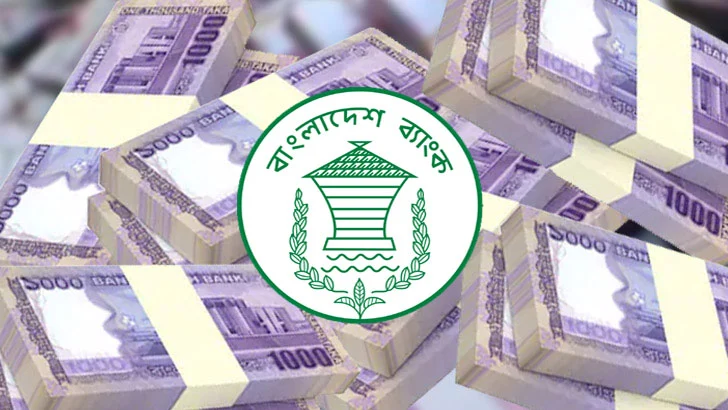
The cost incurred by Bangladesh Bank for printing new banknotes nearly doubled in just one year. In the 2025-26 fiscal year, the central bank spent a total of Tk 4.589 billion (Tk 458 crore 92 lakh 75 thousand) on printing banknotes, marking a 95.46 percent increase from the previous fiscal year.

The information was revealed in Bangladesh Bank’s latest audited financial statements.

According to the report, the central bank spent Tk 2.347 billion (Tk 234 crore 78 lakh 67 thousand) on printing banknotes in the 2024-25 fiscal year. This means the cost increased by Tk 2.241 billion (Tk 224 crore 14 lakh 8 thousand) in a single year.

As part of regular currency management, old and unfit banknotes are withdrawn from circulation and replaced with new ones. The printing of new notes is carried out through The Security Printing Corporation (Bangladesh) Ltd (SPCBL).

Explaining the sharp rise in costs, Bangladesh Bank Executive Director and spokesperson Arif Hossain Khan said the number of international suppliers of the specialised security paper and ink required for printing currency is very limited. As a result, there is little room for negotiation over the prices of these materials.

He said the cost increased mainly due to higher global prices of paper and ink and disruptions in the supply chain. However, the overall volume of banknotes printed during the period did not increase significantly.

Meanwhile, the central bank said the introduction of newly designed banknotes following the political change in 2024 was not a major factor behind the rise in printing costs. The new designs replaced notes featuring the portrait of Bangabandhu Sheikh Mujibur Rahman.

According to the spokesperson, changing the designs involves only nominal additional costs. Although the new designs created some complications in the printing process, the sharp increase in expenditure was primarily driven by higher international prices of raw materials.

A review of Bangladesh Bank’s data for the past five fiscal years shows that the central bank spent the highest amount on banknote printing in 2025-26.

Previously, the expenditure stood at Tk 3.842 billion in 2021-22, Tk 3.740 billion in 2022-23 and Tk 3.373 billion in 2023-24.

Meanwhile, fluctuations in the exchange rate had virtually no impact on the rise in printing costs, as the value of the taka against the US dollar remained largely stable.

According to Bangladesh Bank data, the average interbank exchange rate stood at Tk 122.77 per US dollar at the end of June 2025, compared with Tk 122.85 in June 2026. This represents a depreciation of only Tk 0.08, or 0.07 percent, over the year.

Therefore, the sharp increase in the international prices of raw materials, rather than exchange-rate movements, was the main reason behind the near doubling of banknote printing costs.


Bangladesh Bank Spends Nearly Twice as Much on Printing Money in One Year

Update Time: 01:48:38 pm, Tuesday, 8 September 2026

The cost incurred by Bangladesh Bank for printing new banknotes nearly doubled in just one year. In the 2025-26 fiscal year, the central bank spent a total of Tk 4.589 billion (Tk 458 crore 92 lakh 75 thousand) on printing banknotes, marking a 95.46 percent increase from the previous fiscal year.

The information was revealed in Bangladesh Bank’s latest audited financial statements.

According to the report, the central bank spent Tk 2.347 billion (Tk 234 crore 78 lakh 67 thousand) on printing banknotes in the 2024-25 fiscal year. This means the cost increased by Tk 2.241 billion (Tk 224 crore 14 lakh 8 thousand) in a single year.

As part of regular currency management, old and unfit banknotes are withdrawn from circulation and replaced with new ones. The printing of new notes is carried out through The Security Printing Corporation (Bangladesh) Ltd (SPCBL).

Explaining the sharp rise in costs, Bangladesh Bank Executive Director and spokesperson Arif Hossain Khan said the number of international suppliers of the specialised security paper and ink required for printing currency is very limited. As a result, there is little room for negotiation over the prices of these materials.

He said the cost increased mainly due to higher global prices of paper and ink and disruptions in the supply chain. However, the overall volume of banknotes printed during the period did not increase significantly.

Meanwhile, the central bank said the introduction of newly designed banknotes following the political change in 2024 was not a major factor behind the rise in printing costs. The new designs replaced notes featuring the portrait of Bangabandhu Sheikh Mujibur Rahman.

According to the spokesperson, changing the designs involves only nominal additional costs. Although the new designs created some complications in the printing process, the sharp increase in expenditure was primarily driven by higher international prices of raw materials.

A review of Bangladesh Bank’s data for the past five fiscal years shows that the central bank spent the highest amount on banknote printing in 2025-26.

Previously, the expenditure stood at Tk 3.842 billion in 2021-22, Tk 3.740 billion in 2022-23 and Tk 3.373 billion in 2023-24.

Meanwhile, fluctuations in the exchange rate had virtually no impact on the rise in printing costs, as the value of the taka against the US dollar remained largely stable.

According to Bangladesh Bank data, the average interbank exchange rate stood at Tk 122.77 per US dollar at the end of June 2025, compared with Tk 122.85 in June 2026. This represents a depreciation of only Tk 0.08, or 0.07 percent, over the year.

Therefore, the sharp increase in the international prices of raw materials, rather than exchange-rate movements, was the main reason behind the near doubling of banknote printing costs.