

Dhaka 3:06 pm, Monday, 9 November 2026

Record Liquidity in Banks, But Entrepreneurs Reluctant to Take Loans

Despite having ample funds, Bangladesh’s banking sector is facing a major slowdown in investment. Surplus liquidity held by banks has reached a record level of more than Tk 4 trillion, while private-sector credit growth has fallen to a historic low.

Entrepreneurs are losing interest in new investments due to uncertainty over gas and electricity supplies, high interest rates, rising production costs and overall business uncertainty. As a result, huge amounts of money are sitting idle in banks instead of being channelled into production and employment.

According to the latest data from Bangladesh Bank, surplus liquidity in the banking sector has reached nearly Tk 4.08 trillion. To boost investment and revive credit growth, the central bank has reduced its policy interest rate from 10% to 9.5% and lowered the interest-rate ceiling on short-term foreign loans.

However, the move has not had any significant impact on lending rates at scheduled banks. Despite these policy concessions from the government and the central bank, businesses and entrepreneurs remain largely reluctant to take loans.

The main problem is not simply the availability or cost of credit. Rather, the key challenges are a lack of business confidence, uncertainty over gas and electricity supplies and high production costs.

Former Director General of the Bangladesh Institute of Bank Management (BIBM), Toufiq Ahmed Chowdhury, said private-sector credit growth falling below 5% is a worrying signal for the economy. He said reducing the policy rate from 10% to 9.5% is unlikely to significantly lower overall lending rates. Therefore, investment cannot be revived simply by cutting the policy rate.

He said demand for domestic and locally produced goods must increase to boost investment and credit flows from the banking sector. Without sufficient demand, banks may have adequate funds but still be unable to expand lending.

He also stressed the need to improve the overall business environment by reducing the cost of doing business, eliminating extortion and other informal barriers, and ensuring adequate and uninterrupted energy supplies.

Record Liquidity, Credit Growth at a Low
According to Bangladesh Bank data, surplus liquidity in the banking sector reached a record Tk 4.08 trillion at the end of June, up from Tk 3.37 trillion in May. This means surplus funds increased by nearly Tk 710 billion in just one month.

Meanwhile, private-sector credit growth fell to just 4.47% at the end of June, compared with 4.98% in May. As a result, the huge volume of liquidity is remaining within banks instead of flowing into industry and business.

‘Crowding-Out Effect’ and Government Securities
The decline in private-sector credit demand, combined with heavy government borrowing from the banking system, has created a “crowding-out effect.” Economists say a significant portion of funds that could otherwise be available to the private sector is now being channelled to the government.

As the flow of capital to productive sectors is disrupted, banks are increasingly investing in government treasury bills and bonds as relatively safe investment instruments.

Industrial Sector Struggles, Entrepreneurs Hold Back
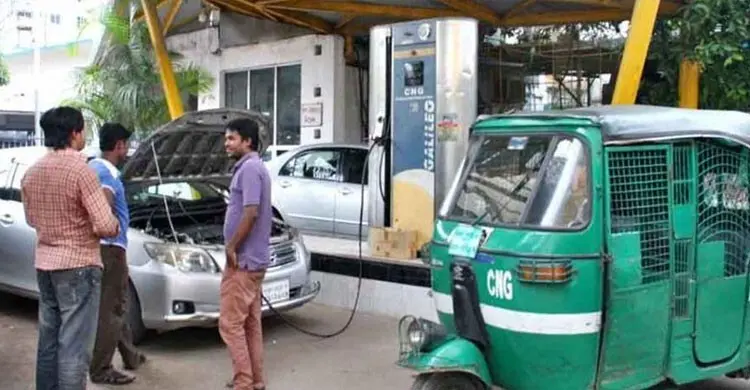
Energy shortages, rising business costs and policy uncertainty have emerged as major obstacles to investment.

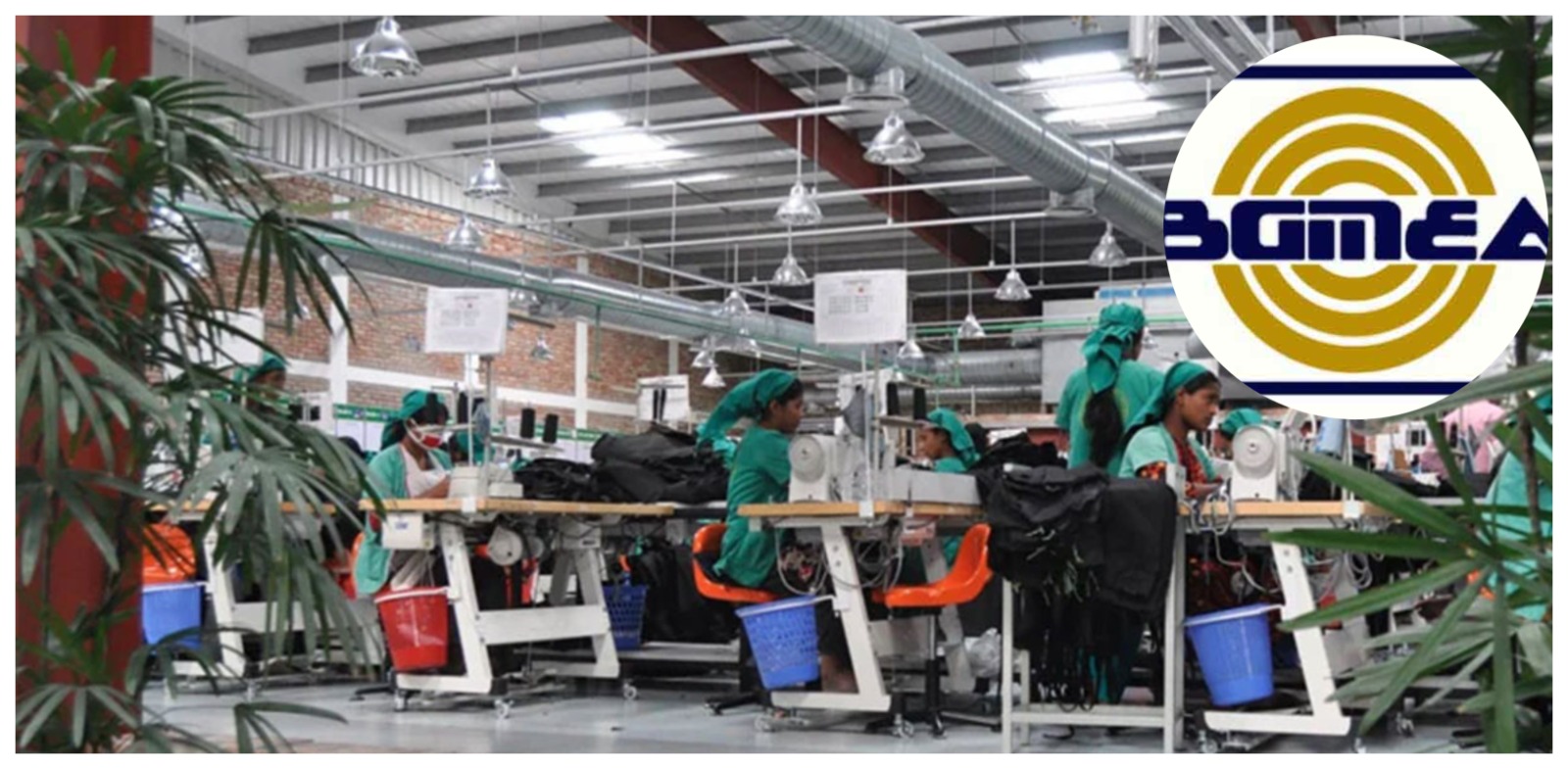
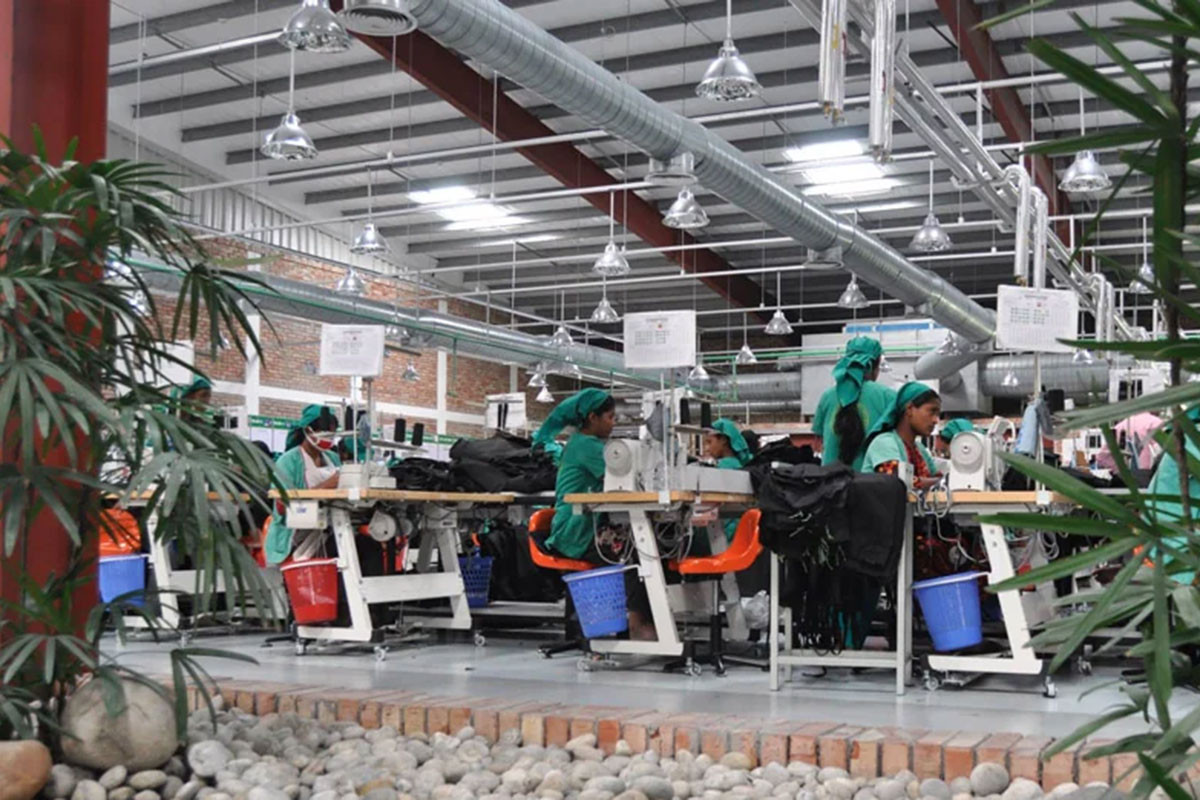
Irregular gas and electricity supplies are preventing many factories from operating at full production capacity. Considering the risks associated with the current environment, entrepreneurs are reluctant to establish new industries or expand existing businesses. Instead, they are mainly taking working-capital loans to keep existing operations running.

Dollar Purchases and Rising Deposits
The increase in surplus liquidity is not solely the result of higher deposits. Bangladesh Bank’s purchase of US dollars from the foreign-exchange market has also played a significant role.

During the 2025-26 fiscal year, the central bank purchased a net $6.43 billion from the foreign-exchange market. The equivalent amount of taka injected into the banking system in exchange for those dollars further increased overall liquidity.

At the same time, deposits have grown by more than 10%, while credit disbursement has failed to keep pace, resulting in further accumulation of excess liquidity.

Bad Loans Make Banks More Cautious
Banks have become extremely cautious about lending following a sharp rise in non-performing loans stemming from loans disbursed in the past without adequate scrutiny.

Applications for new loans are now being assessed more strictly, with banks paying close attention to collateral, business viability and cash flow. As a result, even banks with sufficient funds are often choosing safer investment avenues rather than extending loans to riskier private-sector borrowers.

Stagnation in Call Money and Repo Markets

With banks holding sufficient liquidity, their need to borrow from the interbank market and the central bank for short-term funds has declined significantly.

Total borrowing by banks through the call money market, interbank repo and central bank repo fell from around Tk 3.97 trillion in June to Tk 2.80 trillion in July—a decline of approximately Tk 1.18 trillion in a single month.

Meanwhile, turnover in the call money market fell by 4.57% in July, while interbank repo turnover declined by 20.72%.

Policy Measures and Future Challenges

To revive private investment, the central bank has announced a Tk 600 billion incentive package, increased the credit limit for large borrowers from 15% to 25%, and cut the repo rate from 10% to 9.5%. It has also instructed banks to keep their lending spread within 4%.

However, stakeholders say lasting improvement will require more than policy concessions or lower interest rates. The crisis of confidence cannot be resolved without controlling non-performing loans and improving the broader business environment.

Unless the stagnation surrounding electricity and energy, as well as political and economic uncertainty, is addressed, it will remain difficult to channel the banking sector’s massive surplus liquidity into productive investment and employment.

Record Liquidity in Banks, But Entrepreneurs Reluctant to Take Loans

Update Time: 10:55:23 am, Tuesday, 8 September 2026

Despite having ample funds, Bangladesh’s banking sector is facing a major slowdown in investment. Surplus liquidity held by banks has reached a record level of more than Tk 4 trillion, while private-sector credit growth has fallen to a historic low.

Entrepreneurs are losing interest in new investments due to uncertainty over gas and electricity supplies, high interest rates, rising production costs and overall business uncertainty. As a result, huge amounts of money are sitting idle in banks instead of being channelled into production and employment.

According to the latest data from Bangladesh Bank, surplus liquidity in the banking sector has reached nearly Tk 4.08 trillion. To boost investment and revive credit growth, the central bank has reduced its policy interest rate from 10% to 9.5% and lowered the interest-rate ceiling on short-term foreign loans.

However, the move has not had any significant impact on lending rates at scheduled banks. Despite these policy concessions from the government and the central bank, businesses and entrepreneurs remain largely reluctant to take loans.

The main problem is not simply the availability or cost of credit. Rather, the key challenges are a lack of business confidence, uncertainty over gas and electricity supplies and high production costs.

Former Director General of the Bangladesh Institute of Bank Management (BIBM), Toufiq Ahmed Chowdhury, said private-sector credit growth falling below 5% is a worrying signal for the economy. He said reducing the policy rate from 10% to 9.5% is unlikely to significantly lower overall lending rates. Therefore, investment cannot be revived simply by cutting the policy rate.

He said demand for domestic and locally produced goods must increase to boost investment and credit flows from the banking sector. Without sufficient demand, banks may have adequate funds but still be unable to expand lending.

He also stressed the need to improve the overall business environment by reducing the cost of doing business, eliminating extortion and other informal barriers, and ensuring adequate and uninterrupted energy supplies.

Record Liquidity, Credit Growth at a Low
According to Bangladesh Bank data, surplus liquidity in the banking sector reached a record Tk 4.08 trillion at the end of June, up from Tk 3.37 trillion in May. This means surplus funds increased by nearly Tk 710 billion in just one month.

Meanwhile, private-sector credit growth fell to just 4.47% at the end of June, compared with 4.98% in May. As a result, the huge volume of liquidity is remaining within banks instead of flowing into industry and business.

‘Crowding-Out Effect’ and Government Securities
The decline in private-sector credit demand, combined with heavy government borrowing from the banking system, has created a “crowding-out effect.” Economists say a significant portion of funds that could otherwise be available to the private sector is now being channelled to the government.

As the flow of capital to productive sectors is disrupted, banks are increasingly investing in government treasury bills and bonds as relatively safe investment instruments.

Industrial Sector Struggles, Entrepreneurs Hold Back
Energy shortages, rising business costs and policy uncertainty have emerged as major obstacles to investment.

Irregular gas and electricity supplies are preventing many factories from operating at full production capacity. Considering the risks associated with the current environment, entrepreneurs are reluctant to establish new industries or expand existing businesses. Instead, they are mainly taking working-capital loans to keep existing operations running.

Dollar Purchases and Rising Deposits
The increase in surplus liquidity is not solely the result of higher deposits. Bangladesh Bank’s purchase of US dollars from the foreign-exchange market has also played a significant role.

During the 2025-26 fiscal year, the central bank purchased a net $6.43 billion from the foreign-exchange market. The equivalent amount of taka injected into the banking system in exchange for those dollars further increased overall liquidity.

At the same time, deposits have grown by more than 10%, while credit disbursement has failed to keep pace, resulting in further accumulation of excess liquidity.

Bad Loans Make Banks More Cautious
Banks have become extremely cautious about lending following a sharp rise in non-performing loans stemming from loans disbursed in the past without adequate scrutiny.

Applications for new loans are now being assessed more strictly, with banks paying close attention to collateral, business viability and cash flow. As a result, even banks with sufficient funds are often choosing safer investment avenues rather than extending loans to riskier private-sector borrowers.

Stagnation in Call Money and Repo Markets

With banks holding sufficient liquidity, their need to borrow from the interbank market and the central bank for short-term funds has declined significantly.

Total borrowing by banks through the call money market, interbank repo and central bank repo fell from around Tk 3.97 trillion in June to Tk 2.80 trillion in July—a decline of approximately Tk 1.18 trillion in a single month.

Meanwhile, turnover in the call money market fell by 4.57% in July, while interbank repo turnover declined by 20.72%.

Policy Measures and Future Challenges

To revive private investment, the central bank has announced a Tk 600 billion incentive package, increased the credit limit for large borrowers from 15% to 25%, and cut the repo rate from 10% to 9.5%. It has also instructed banks to keep their lending spread within 4%.

However, stakeholders say lasting improvement will require more than policy concessions or lower interest rates. The crisis of confidence cannot be resolved without controlling non-performing loans and improving the broader business environment.

Unless the stagnation surrounding electricity and energy, as well as political and economic uncertainty, is addressed, it will remain difficult to channel the banking sector’s massive surplus liquidity into productive investment and employment.